Anúncios
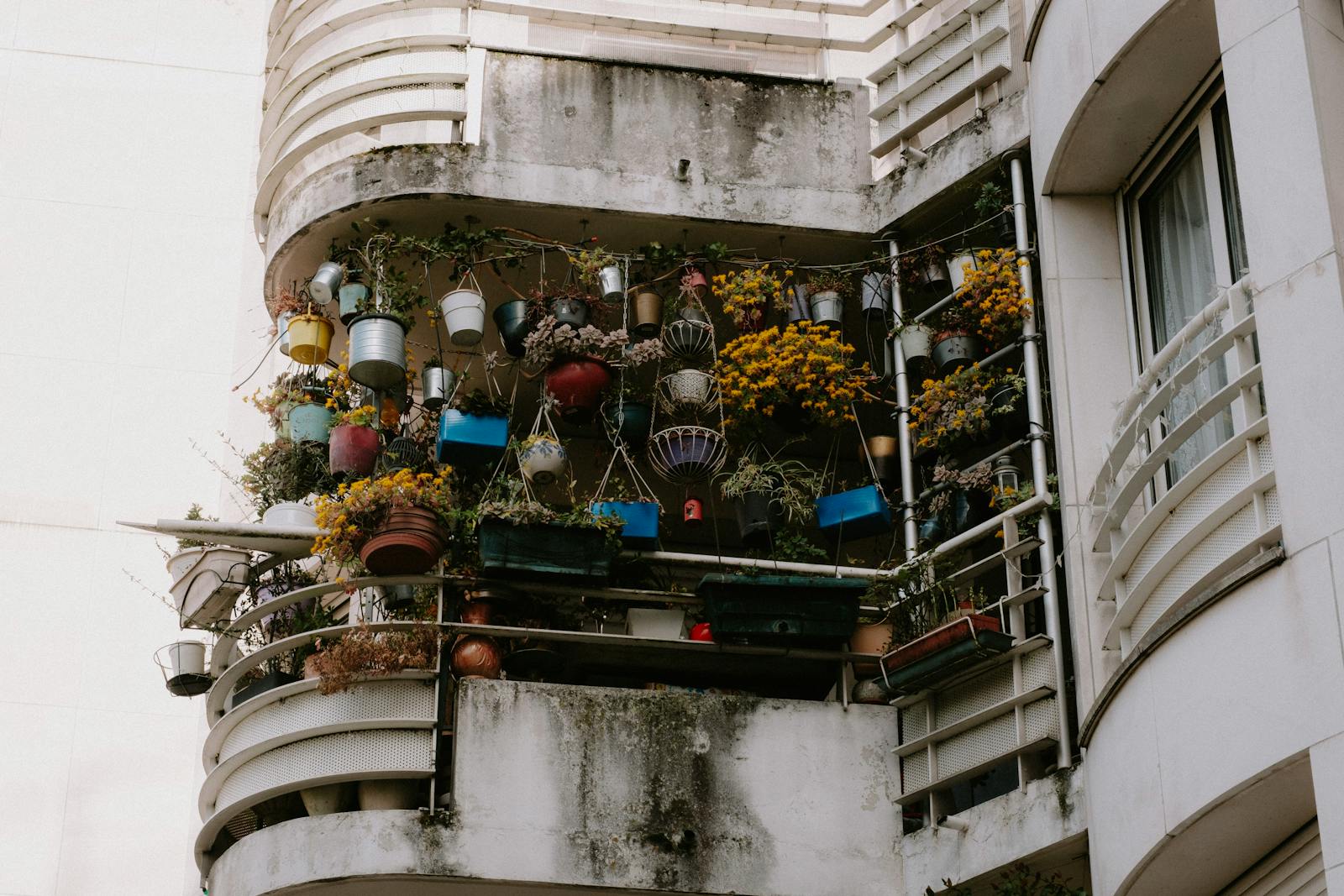
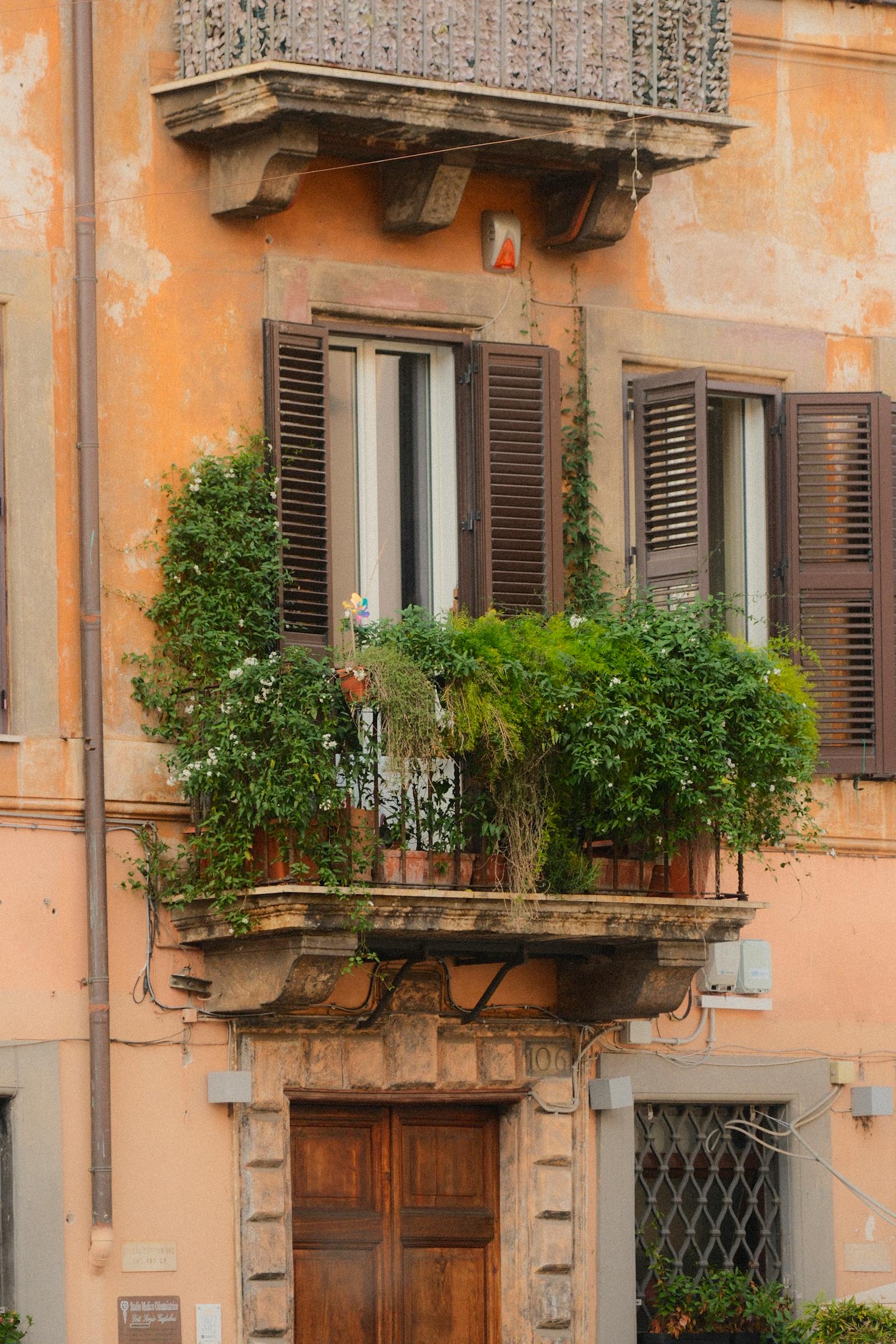
Living on a balcony with direct sight lines to a neighbour, a busy street, or another building gets old fast. Solid screens or fences are usually not allowed in rentals or condos. Plants are the workaround – tall, dense, ideally evergreen species that create visual screening without permanent installation.
What makes a good privacy plant
- Height: at least 4-6 feet at maturity to block standing-eye-level views.
- Density: dense foliage rather than sparse vines.
- Evergreen if possible: deciduous plants leave you exposed in winter.
- Container-suitable: can grow in a pot for years.
- Wind-tolerant: exposed balconies need plants that handle gusts.
The shortlist
1. Bamboo (clumping varieties)
Fast-growing, tall (6-15+ feet), dense, and evergreen in most climates. The “fargesia” group is non-invasive (clumping rather than spreading). Tolerates wind well once established.
Anúncios
Requirements: large pot (16+ inches), regular watering, full sun to partial shade.
Warning: only buy clumping bamboo. Running varieties spread aggressively and can damage roots underneath your balcony.
2. Small ornamental trees in large pots
Compact varieties of olive, citrus (in mild climates), bay laurel, or boxwood serve as living privacy screens. Slow growers but eventually substantial.
Anúncios
Best for: permanent balcony residents who plan to invest in a setup.
3. Tall ornamental grasses
Pampas grass (smaller varieties), miscanthus, feather reed grass. Reach 4-6 feet, sway beautifully in wind, and look dramatic.
Pros: tough, drought-tolerant, fast.
Cons: mostly seasonal – die back in winter in cold climates.
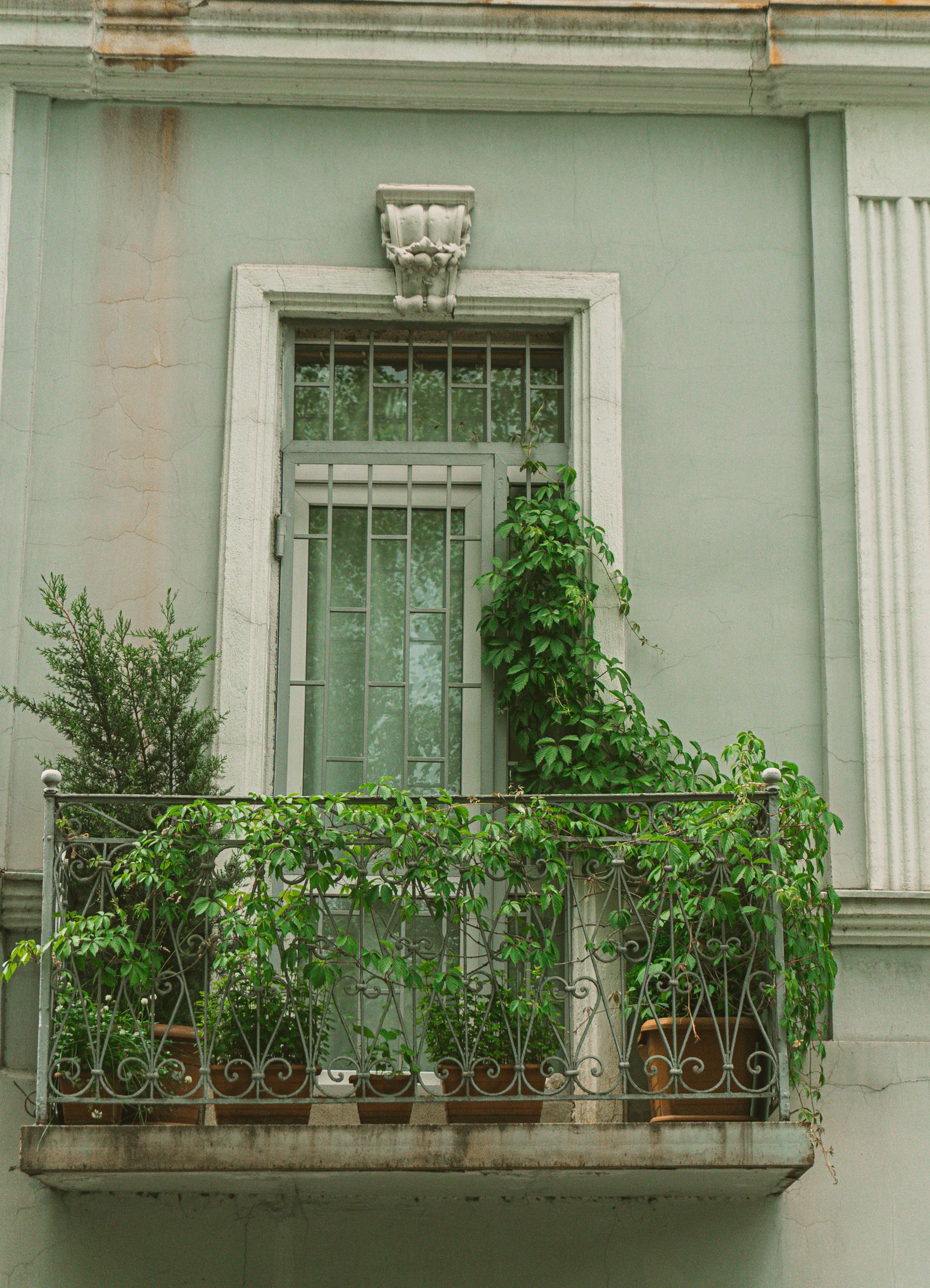
4. Climbing plants on a freestanding trellis
Vines + a trellis = an instant screen.
- Star jasmine: evergreen, fragrant, dense.
- Clematis: deciduous but beautiful flowering screen.
- Climbing hydrangea: evergreen and reliable in shade.
- Sweet peas / morning glories: annual but fast – cover a trellis in one summer.
- Climbing roses: spectacular but high maintenance.
5. Tall trailing or upright shrubs
- Hardy fuchsia (long-blooming, attractive even in light shade)
- Lavender (in full sun, makes a fragrant 3-4 foot screen)
- Hardy hibiscus (warm-climate dramatic flowering)
6. Vertical herb walls
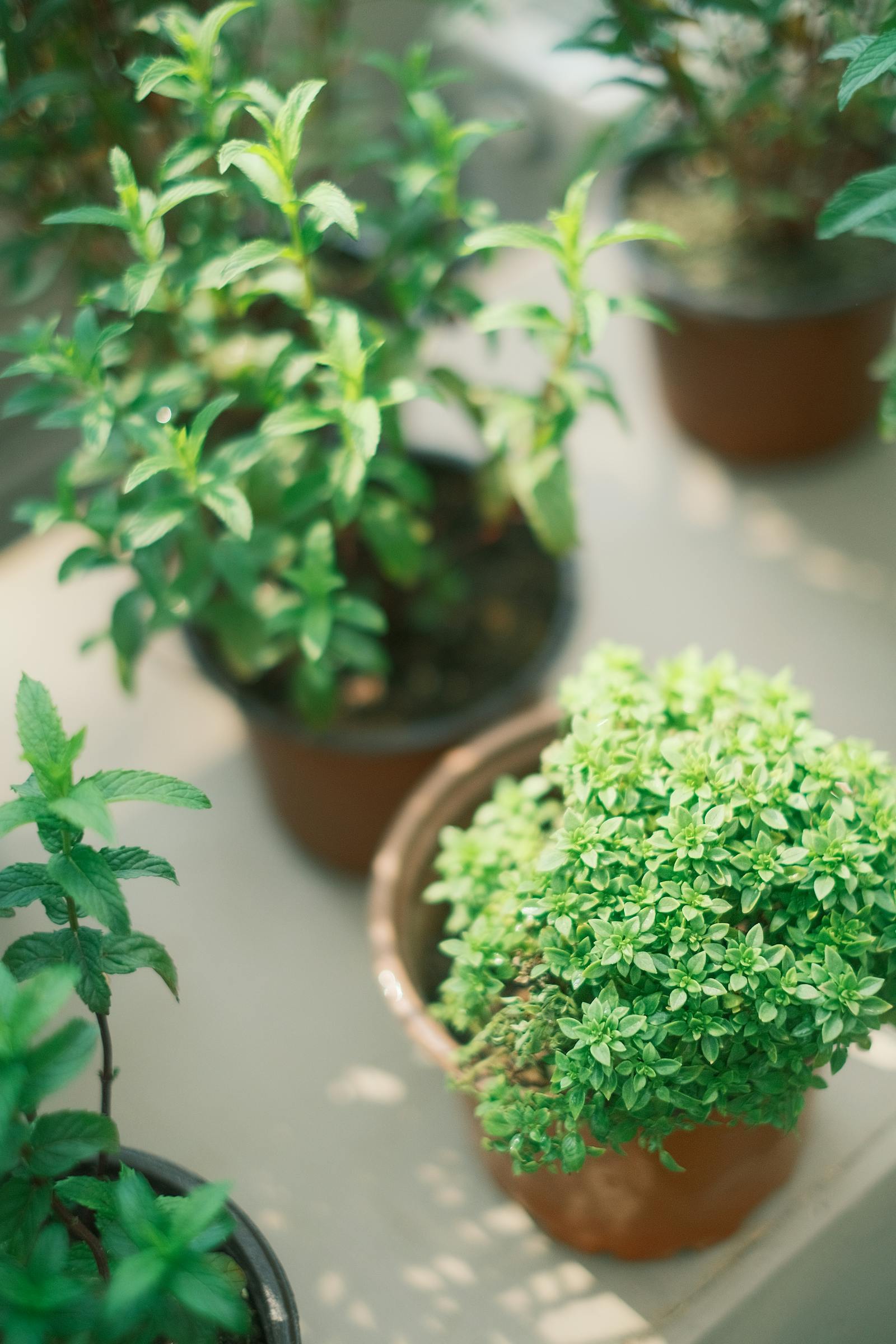
Edible privacy. A wall-mounted or free-standing vertical planter with multiple pockets of herbs and trailing edibles creates a screened green wall. Less tall than dedicated privacy plants but very useful if you want food too.
The layout strategy
Don’t try to screen the entire balcony perimeter. Strategic placement gives the same privacy with fewer plants.
- Identify the actual problem sight lines. Stand where you usually sit and look at where you don’t want to be visible from.
- Place tall plants only in those positions. A 4-foot bamboo in the right corner blocks more than five short plants spread along the railing.
- Layer heights: tall plants behind, medium in middle, low in front. Creates depth and feels like a real garden.
Container sizing for privacy plants
Tall plants need substantial pots:
- Bamboo: 16-20 inch deep pots.
- Small ornamental trees: 18-24 inch pots.
- Tall grasses: 14-18 inch pots.
- Climbing vines: 12-14 inch pots, plus a freestanding trellis.
Weight matters – check your balcony’s load capacity. Larger pots filled with wet soil are surprisingly heavy.
Wind considerations
Tall plants act like sails. On windy balconies:
- Heavy pots (glazed ceramic or large stoneware).
- Position against walls for partial shelter.
- Use a permeable windbreak (bamboo screen) as backup so the live plants aren’t constantly battered.
- Stake or weight tall plants if needed.
See windy balcony gardening tips for more.
Privacy on a north-facing balcony
Most privacy plants want sun. For shaded balconies:
- Climbing hydrangea (shade-tolerant flowering vine).
- Boston ferns in tall pots (lush but not really screening).
- Hardy fuchsia (some varieties shade-tolerant).
- Tall hostas (large clumps create dense screening at ground level).
- Bamboo (most varieties tolerate partial shade).
Renters: how to do this without leases issues
All privacy plant strategies above are renter-friendly. The trellises are freestanding (no drilling), the plants are in pots, and everything packs into a car at move-out time. See renter-friendly balcony garden for more.
The bottom line
Plant-based privacy looks better than artificial screens, costs less than custom builds, and works without modifying your balcony. Bamboo and tall ornamental grasses are the fastest options; climbing vines on freestanding trellises offer beauty and seasonal interest. Target only the sight lines that matter.
For wider balcony plant choices, see best plants for a small balcony.
Layering plants for depth and visual barrier
A single row of tall plants creates a visual screen but feels like a wall. A layered approach feels like a garden:
- Background (tallest): bamboo, small tree, or tall ornamental grass against the railing or wall.
- Mid-layer (3-4 feet): tall fuchsia, dwarf hydrangea, or compact shrubs.
- Foreground (1-2 feet): trailing plants over the edge of the railing or upright flowering perennials.
This 3-layer approach hides the things you want hidden while creating depth and visual interest. Single-row screening looks like an obvious barrier; layered screening looks intentional and lush.
Year-round privacy with evergreen choices
Deciduous plants lose their leaves in fall, exposing you again right when you might want privacy most (winter heating means windows visible across the way). Year-round options:
- Bamboo (most clumping varieties): evergreen in mild climates.
- Small boxwood: evergreen, slow but reliable.
- Dwarf juniper: low-maintenance, evergreen.
- English ivy on a trellis: climbing evergreen with full coverage within 2 years.
- Camellia (in warm climates): evergreen with winter or spring flowers.
Where the privacy actually needs to be
Most balconies have specific sight lines worth blocking, not the entire perimeter:
- The window directly opposite at the same height as yours.
- The neighbour’s balcony adjacent to yours.
- The busy street that lets passersby look up.
Identify the actual problem views from where you sit, then place tall plants only in those positions. A focused 4-foot bamboo blocks more than five short plants spread along the railing – and uses less space, water, and money.
Privacy plants and wind
Tall plants on a windy balcony are at higher risk of being damaged or toppled. Mitigations:
- Heavy ceramic or stone pots (less likely to tip).
- Strap or tie taller plants to the railing for storm-proofing.
- Use clumping rather than running bamboo (more stable as a unit).
- Choose flexible plants that bend without breaking – ornamental grasses excel here.
For comprehensive windy balcony strategies, see windy balcony gardening tips.