Anúncios
“Low light” is the most over-promised phrase in the houseplant world. Half the plants labelled “low-light tolerant” at the garden centre will gradually shrivel into pale, stretched-out shadows of themselves if you put them in a genuinely dim room. They tolerate low light the way I tolerate cold weather – survivable, but not happy about it.
This guide is about the small, honest list of houseplants that actually live in low light. Not “low-medium.” Not “indirect bright.” Genuinely dim – the back wall of a north-facing apartment, a basement with one small window, a hallway that barely has natural light at all.
Anúncios
I’ve grown most of these in worse light than they’re rated for. They’re not all green-and-glossy-magazine perfect, but they’re alive, they keep growing, and they don’t punish you for living in a real apartment.
1. Pothos

Pothos is the most forgiving low-light plant in existence. It will grow in a hallway. It will grow next to a north-facing window in winter. It will grow in a bathroom with one small frosted window. It won’t grow fast in any of those, but it’ll keep producing leaves, slowly, indefinitely.
Anúncios
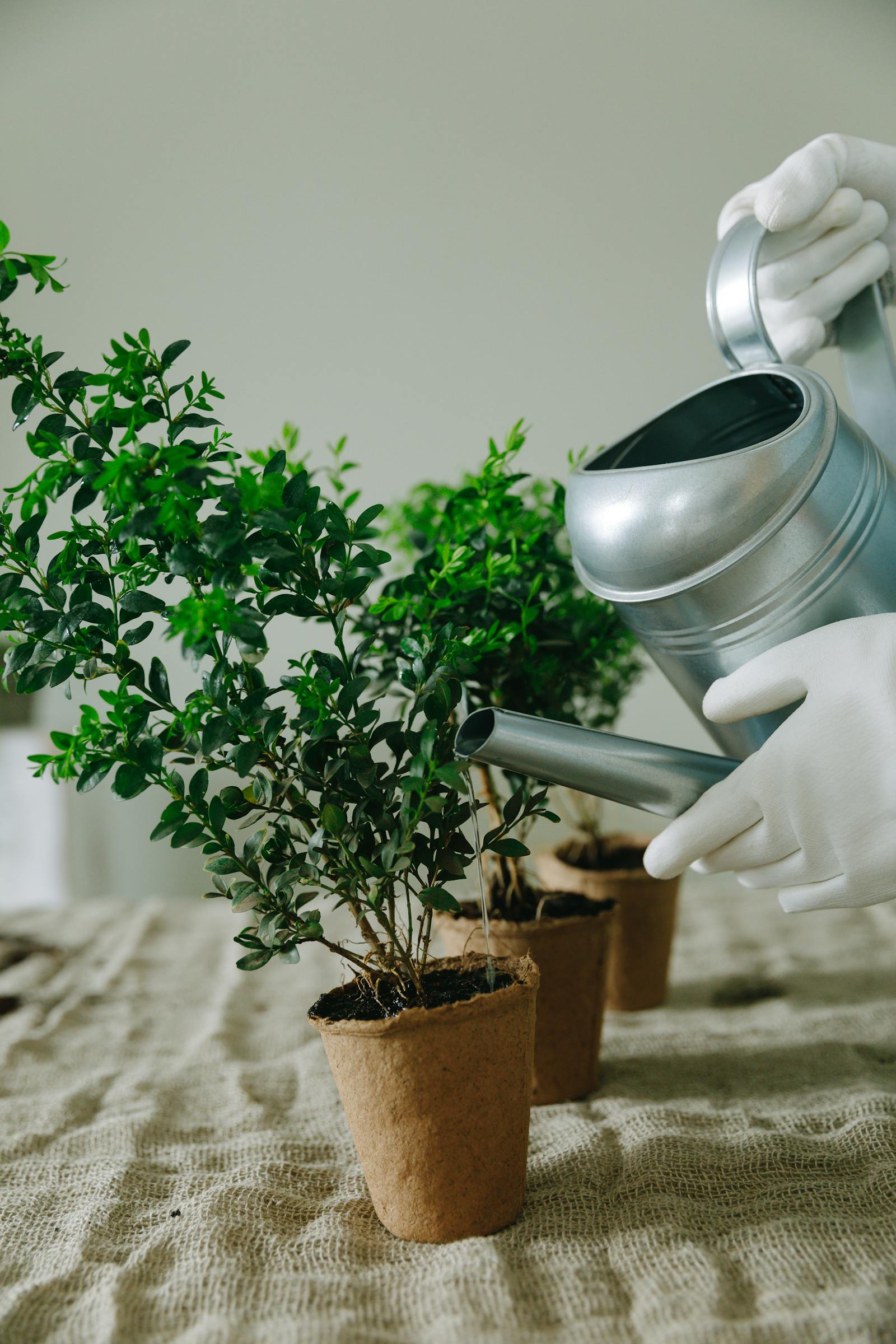
The trick is to slow down on watering when the light is low. A pothos in bright light might drink water every 5–7 days. The same plant in a dim room may only need water every 12–15 days. Stick a finger an inch into the soil – if it’s still damp, walk away.
If the leaves yellow, you’ve watered too much. If they curl or wilt dramatically, you’ve waited too long. Both are forgivable.
2. Snake plant
The most “set it and forget it” plant in this list. Snake plants are succulents in disguise – they store water in those tall, vertical leaves and survive long droughts. In low light, you might only need to water yours once a month, especially in winter.
The single way to kill a snake plant is to water it on a regular weekly schedule the way you would a leafy houseplant. The roots rot, the base of the leaves softens, and the whole plant falls over. So: water deeply, then leave it alone for weeks. In a dim room, the soil dries slowly – let it.
3. ZZ plant
The ZZ is the snake plant’s glossier cousin. The leaves are darker, the silhouette more sculptural, and the watering needs are the same: rarely. ZZ plants store water in underground rhizomes, which is why they can go six weeks without watering and look fine.
ZZ plants are slow growers in good light and even slower in dim corners. Don’t be alarmed if you go three months without seeing a new leaf – it’s quietly biding its time.
4. Philodendron (heartleaf)
Heartleaf philodendron looks almost identical to pothos to a beginner – both have heart-shaped trailing leaves. The slight difference: philodendron leaves are softer, slightly more matte, and arguably even more low-light tolerant.
It tolerates everything a pothos does and trails just as gracefully off a shelf or hanging planter. If you want a vining plant for a dim room and the local shop doesn’t have pothos, grab this instead.
5. Cast iron plant (Aspidistra elatior)
The name is not metaphorical. The cast iron plant is one of the toughest houseplants on earth – Victorians grew it in coal-heated, gas-lit, badly ventilated rooms, and it survived. It has dark green, leathery, arching leaves and grows slowly.
If you have a corner with almost no natural light and you’ve killed everything else, this is your plant. The trade-off is patience: it grows very, very slowly. A new leaf every couple of months in dim conditions is normal.
6. Peace lily (Spathiphyllum)
Peace lilies are unusual in that they flower in low light. The white “flowers” are actually modified leaves (called spathes), and the plant produces them with surprisingly little sun. They also visibly droop when they’re thirsty – which is helpful for beginners, because you know exactly when to water.
Peace lilies are mildly toxic to cats and dogs if chewed, so place yours somewhere a curious pet can’t get to it. They like moderately humid air, which makes a bathroom (with even minimal light) one of the best spots in the house for them.
7. Chinese evergreen (Aglaonema)
Chinese evergreens are one of the prettiest plants on this list. They have wide, variegated leaves with silver, pink, or red patterns depending on the variety. The darker-leaved varieties (deep green with silver streaks) handle low light better than the pink-flecked ones, which want a bit more brightness to keep their colour.
They like to dry out between waterings and don’t enjoy cold drafts. Keep one away from a chilly window and on the dry side of damp.
8. Spider plant
Spider plants prefer brighter light, but they tolerate dim conditions better than people think. The “babies” (small plantlets that dangle off long stems) appear less often in low light, but the parent plant stays healthy. The leaves may lose some of their striping over time without enough light.
They’re also non-toxic and very forgiving of irregular watering, which makes them a safe pick for households with pets or curious toddlers.
9. Boston fern
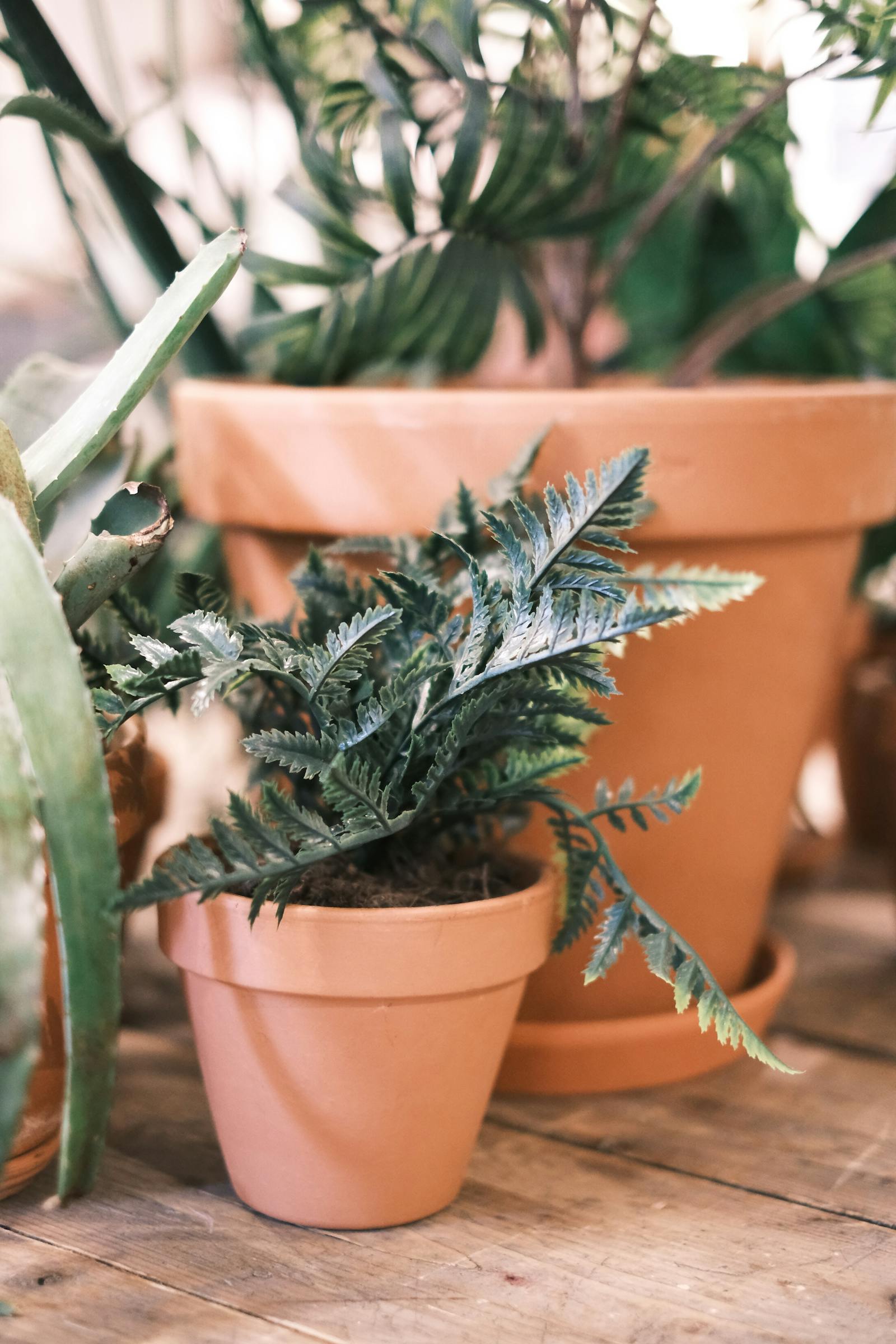
Ferns are the only plant on this list that need extra attention to humidity. They tolerate low light beautifully but hate dry, heated indoor air – which means winter in most homes is rough on them. A bathroom is ideal. So is a kitchen near the sink. So is a daily misting if you’re committed.
If your fern starts to brown at the leaf tips, the air is too dry. Move it closer to a sink, a bathroom, or a humidifier and it usually recovers.
10. Parlor palm (Chamaedorea elegans)
One of the few palms that genuinely survives in a dim room. Parlor palms grow slowly and stay relatively small (most top out around 3–4 feet indoors). They add the kind of soft, tropical silhouette that’s hard to get from other low-light plants.
The two things to watch for: don’t overwater them (let the top inch dry out), and check the underside of the leaves occasionally for spider mites, which love dry indoor air.
11. Lucky bamboo
Technically not a bamboo at all – it’s a Dracaena, but the marketing name stuck. Lucky bamboo is one of the few houseplants you can grow in water alone, no soil required, which makes it almost impossible to misjudge moisture.
Change the water every couple of weeks, keep the level above the roots, and don’t put it in direct sun. That’s the whole care guide. It tolerates very low light indefinitely.
What “low light” actually means (and what kills plants in dim rooms)
Let’s be honest about a few things that will make any of the plants above last much longer.
Overwatering is much worse in low light. A plant in dim conditions transpires (releases water through its leaves) much more slowly. The soil dries slowly. If you water on the same schedule you would in a bright room, the roots sit in moist soil for too long, and they rot. Most “low light” plant deaths are actually overwatering deaths. For more on this and the other classic beginner mistakes, see our guide to 15 beginner gardening mistakes.
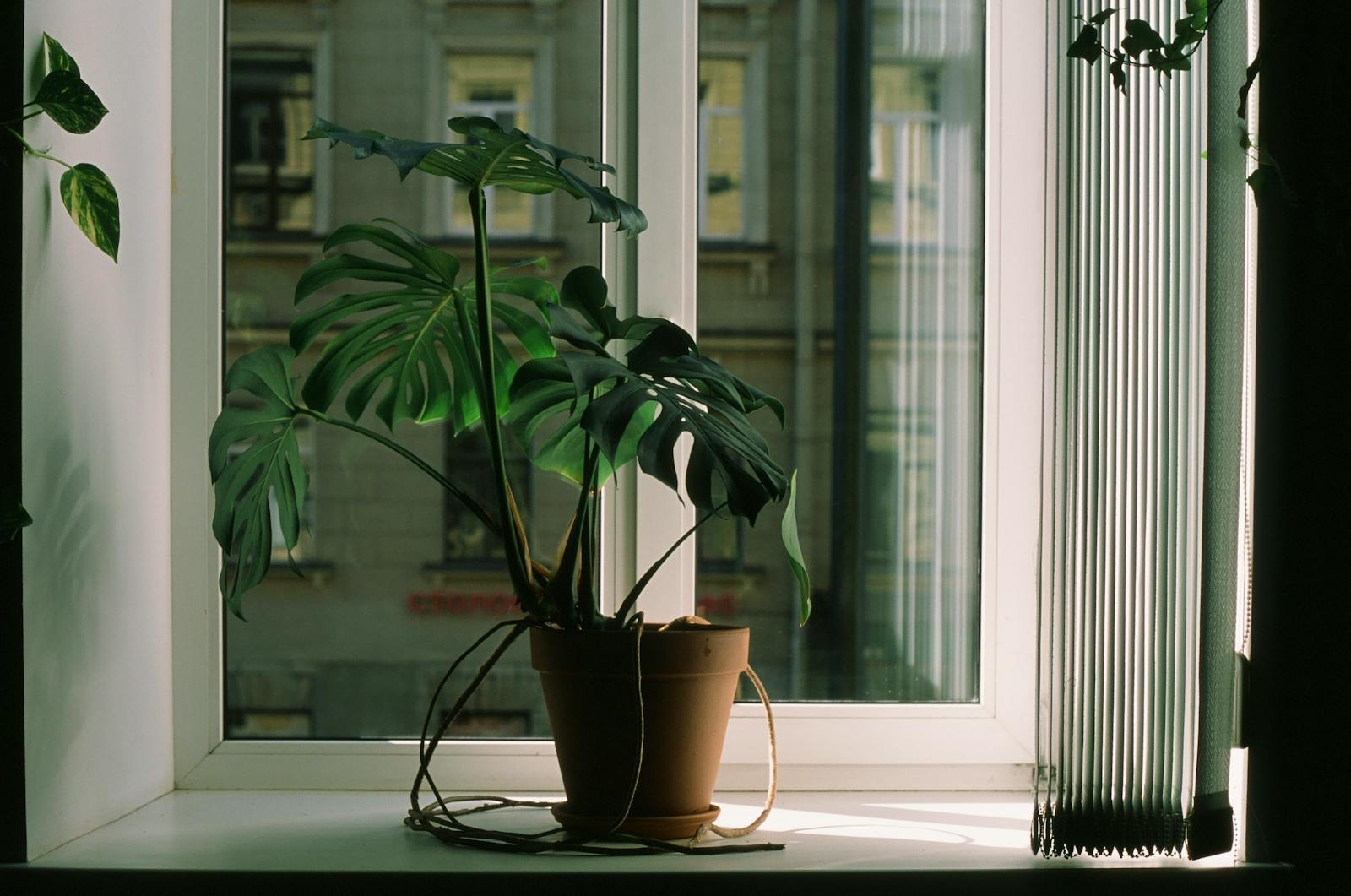
The closer to the window, the better. Even a north-facing window is much brighter than the back of the same room. If you can, place your low-light plant within 5–6 feet of any window. That single move can double its growth rate.
Rotating the pot helps. Plants lean toward the light source over time. Once a week, rotate your pot a quarter turn so all sides get a chance.
Don’t fertilize a struggling plant. If your plant looks sad in low light, fertilizer won’t fix it – it’ll just stress the roots further. Wait until you see active new growth, then feed at half the recommended strength.
How to choose the right one for your space
| Your situation | Best low-light plant |
|---|---|
| Brand new to plants, want max forgiveness | Pothos or snake plant |
| You travel for weeks at a time | ZZ plant or snake plant |
| You want flowers in a dim room | Peace lily |
| You have a humid bathroom | Boston fern or peace lily |
| You want a tall floor plant | Parlor palm or cast iron plant |
| You want something tropical-looking | Chinese evergreen or parlor palm |
| You have pets that chew plants | Spider plant or parlor palm (avoid peace lily) |
The most important habit
If you remember one thing from this article, make it this: in low light, water less, not more. Every habit that works in a bright room becomes too much in a dim one. Half the watering frequency. Half the fertilizer. The plant is doing less and needs less.
For new growers still figuring out the basics of when and how much to water, our companion guide on potting soil vs garden soil covers the drainage side of the equation – because the right soil and the right watering frequency are two halves of the same skill.
And if you’d rather start outdoors in a small space – even a windy balcony – read our how to start a balcony garden guide. Some of the same plants on this list (snake plants, parlor palms in warm climates) work outdoors too.
The bottom line
Low-light tolerance is real, but it’s a spectrum. A pothos will be merely alive in a hallway and visibly thriving four feet from a window. Pick the plant whose worst-case-scenario light tolerance matches your room – then place it as close to whatever light you do have as you can. Water it half as often as you’d water a brighter-room plant. Wait for it to settle in, which can take a month or two.
The good ones – pothos, snake plant, ZZ – will outlast almost any beginner mistake. The first plant you don’t kill is the one that tips you into being a real plant person. One of these will be it.
See also: the best trailing plants for shelves and hanging baskets.