Anúncios
Before you throw out the sad-looking plant in the corner, give it 20 minutes. A surprising number of “dying” houseplants are actually fixable – the symptoms look terminal but the underlying issue is small and recoverable. The trick is reading the signs correctly and doing the right rescue at the right time.
This is the diagnostic plan I run through every time a plant looks lost.
Anúncios
Step 1: Identify what kind of dying it is
“Dying” is a vague word. The actual pattern of damage tells you what’s wrong:
| Symptoms | Likely cause |
|---|---|
| Soft, yellowing lower leaves; soil damp | Overwatering / root rot |
| Crispy, dry leaves; soil bone dry | Underwatering |
| Tall, pale, stretched growth | Not enough light |
| Wilted, drooping, but firm leaves | Could be thirst, transplant shock, or rootbound |
| Brown crispy patches on individual leaves | Sun scorch or fertilizer burn |
| Tiny bugs or sticky residue | Pest infestation |
| Leaves dropping rapidly with no obvious damage | Sudden environmental change, shock, cold draft |
Match what you see to the table. Once you know what’s happening, the fix is usually specific.
Step 2: Check the roots
This is the single most important diagnostic step. Roots tell you what’s actually salvageable.
Anúncios
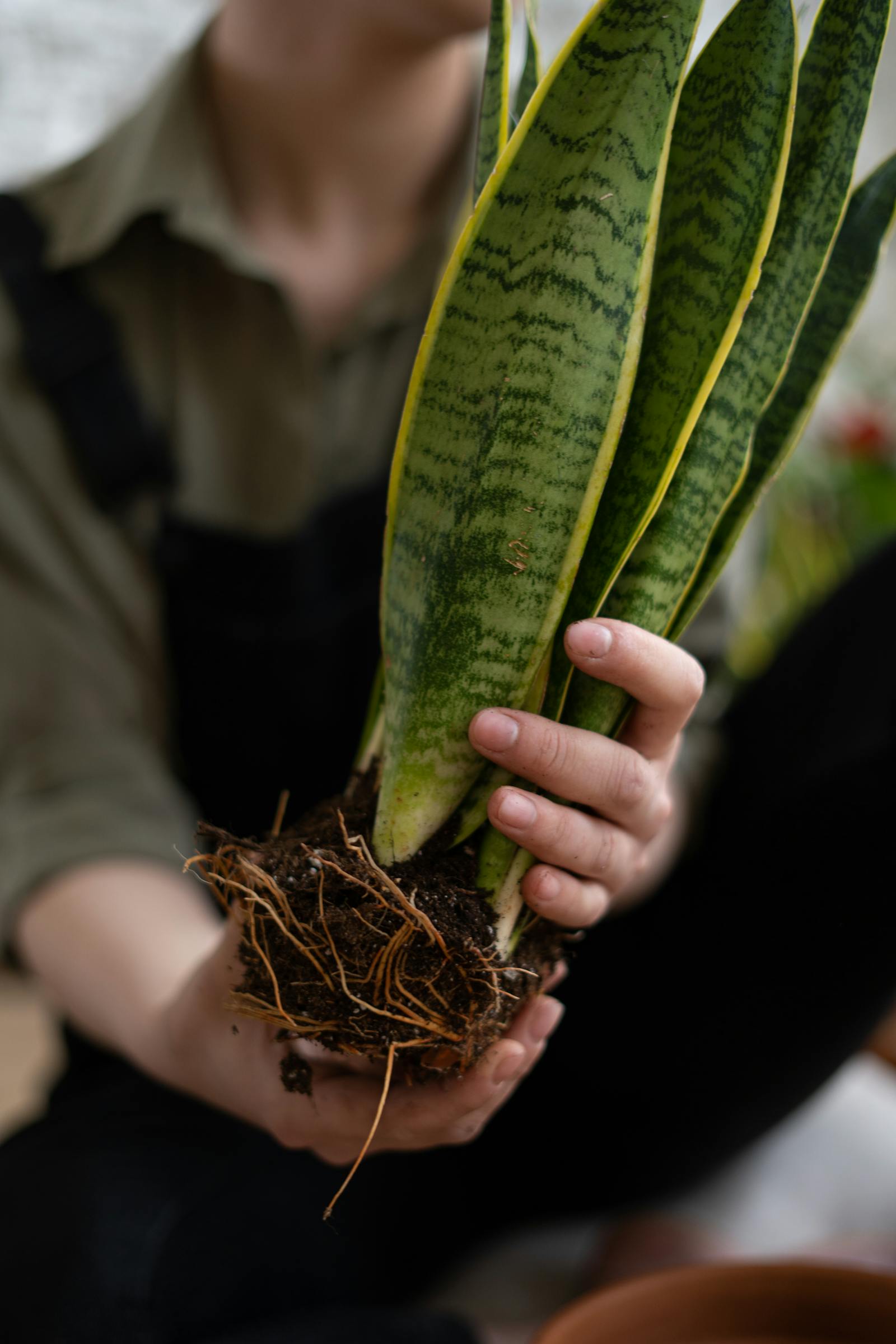
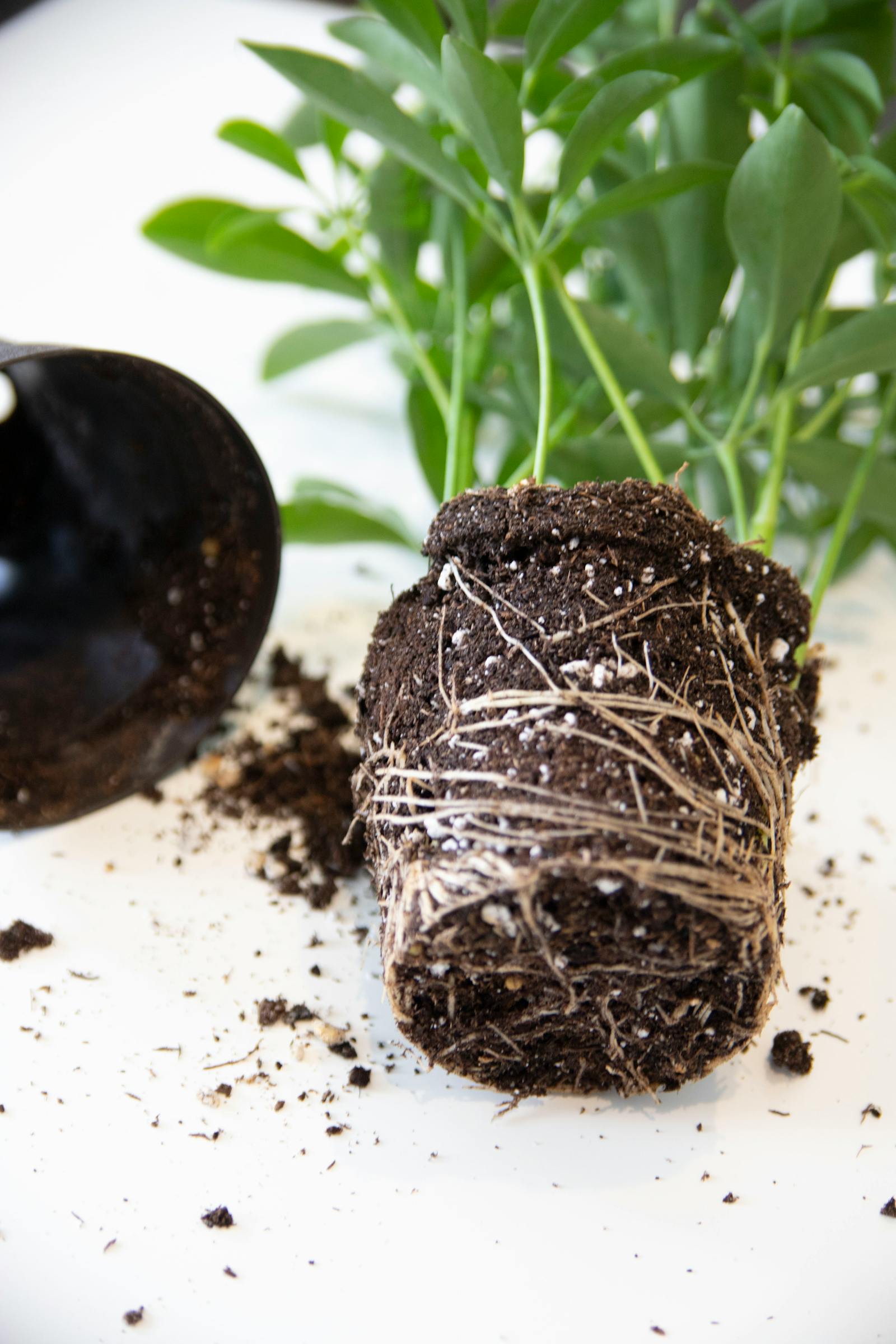
- Take the plant out of its pot. Squeeze or tap the pot to loosen the root ball.
- Look at the roots:
- Firm, white or pale tan roots: healthy. The plant is recoverable.
- Some firm white roots, some brown or mushy: partial rot. Salvageable with trimming.
- Almost entirely brown, black, or mushy roots: severe root rot. Try to save a healthy cutting; the original plant may not recover.
- Tightly circled mass with no visible soil: rootbound. Loosen the roots and repot.
- Bone dry, papery roots: severe drought. Soak the entire root ball in water before deciding.
If the roots are mostly healthy, the rest of the plant can usually be coaxed back.
Step 3: Apply the right rescue
For overwatered / rotting plants
- Remove all rotted roots with clean scissors. Cut back to firm tissue.
- Trim away any soft, mushy stems.
- Let the plant air-dry for several hours (or overnight) before repotting.
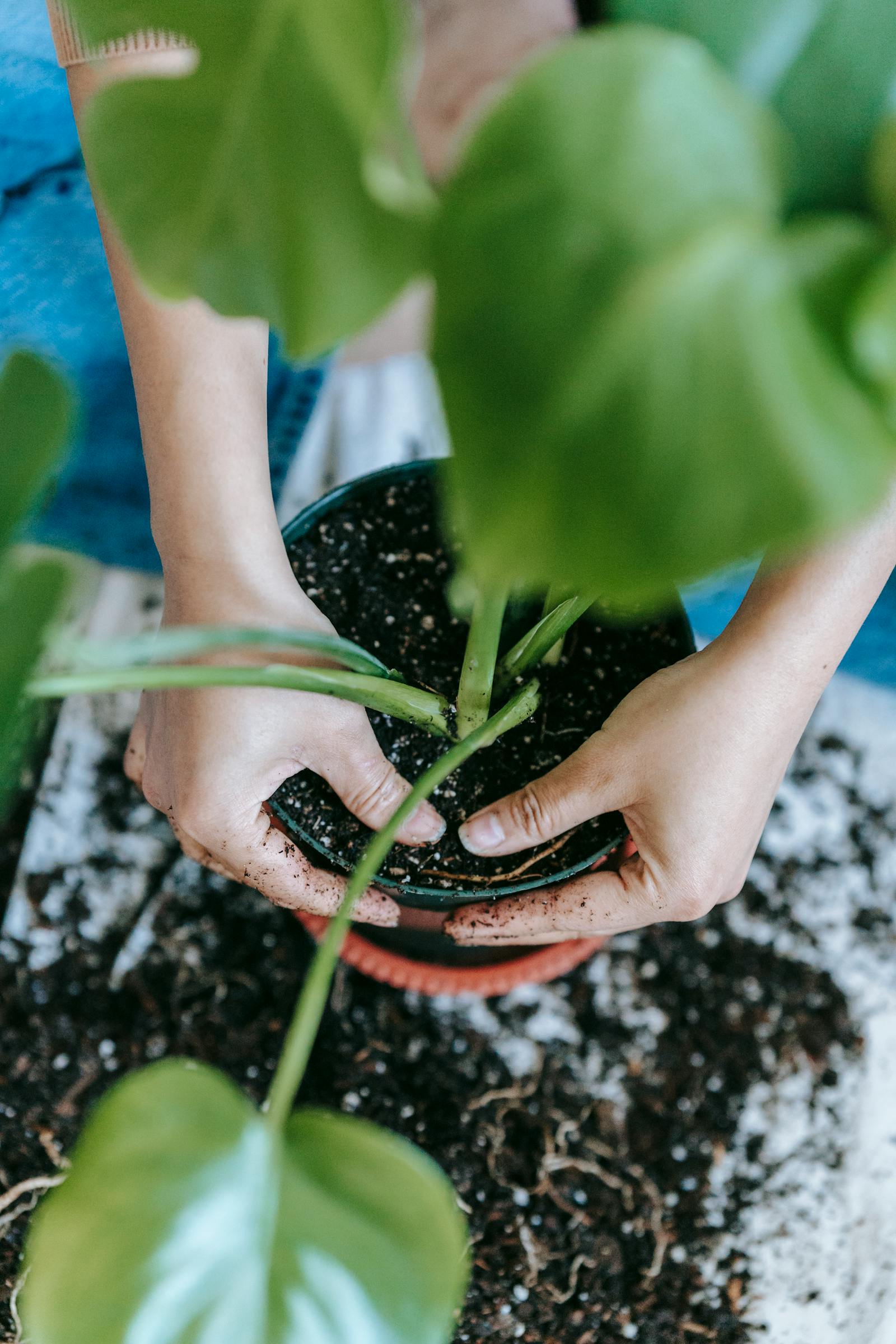
- Repot in fresh, dry soil with a clean pot – sometimes a smaller pot than before, since the root system is now reduced.
- Don’t water for 3-5 days. Then water lightly.
- Place in moderate light (not direct sun) while recovering.
For underwatered / dehydrated plants
- Set the pot in a basin of room-temperature water for 20-30 minutes. The dry soil absorbs water through the drainage holes.
- Lift out and let excess drain.
- Place in moderate (not full) light.
- Watch for recovery within hours to a day. Most underwatered plants come back fast.
- Going forward, water more consistently. If the plant repeatedly dries out fast, consider a larger pot.
For light-starved (leggy) plants
- Move to a brighter spot immediately – a sunny window or under a grow light.
- Cut back leggy stems by half. New growth will branch from below the cut.
- Rotate the pot weekly so growth stays even.
- Don’t expect the original stretched section to shrink back – it won’t. New growth will be compact.
For rootbound plants
- Loosen the root ball by hand, untangling circling roots.
- For very tight root balls, score the sides with a knife – vertical slits about half an inch deep.
- Repot into a pot 1-2 inches larger in diameter with fresh soil.
- Water in and place in moderate light for a few days.
See how to repot a plant for the full repotting technique.
For pest-infested plants
- Identify the pest. Aphids, spider mites, mealybugs, and fungus gnats are the common ones.
- Isolate the plant from other houseplants.
- For most soft-bodied pests, spray with insecticidal soap or a 1:10 mix of mild dish soap and water.
- For fungus gnats, see our dedicated fungus gnats guide.
- Repeat treatment every 5-7 days for 2-3 weeks to break the breeding cycle.
Signs of recovery
After a rescue, watch for these positive signs over 1-3 weeks:
- New growth from leaf nodes or the crown of the plant.
- Existing leaves staying green and firm rather than continuing to yellow or droop.
- Soil drying out at a normal pace (no longer staying wet for too long).
- Roots visible through drainage holes after a few weeks (sign of new root growth).
If after 3-4 weeks the plant hasn’t improved at all, it’s probably too far gone. At that point, you’ve done what you can.
What not to do during rescue
- Don’t fertilize a stressed plant. Wait until you see new growth. Fertilizer burns already-stressed roots.
- Don’t move a recovering plant to bright direct sun. Moderate light only until it’s clearly recovering.
- Don’t keep watering on the old schedule. The plant’s reduced root system means it uses less water than before.
- Don’t panic-repot multiple times. One repot is enough. Constant disturbance prevents recovery.
Plants that are usually recoverable
Some plants are notably easier to bring back than others. Pothos, snake plants, ZZ plants, philodendrons, spider plants, and most succulents have strong recovery instincts and forgive serious mistakes. Even severely overwatered specimens often come back from a small section of healthy root.
Plants that are harder to revive: fiddle leaf figs (notoriously dramatic about any change), calatheas (sensitive to everything), boston ferns (recover from drought slowly if at all), and most orchids (specific care needs make rescues fragile).
When to give up
Sometimes the kindest thing is to stop trying. Signs that a plant has truly passed:
- No healthy roots at all – everything brown, black, or mushy.
- The main stem is soft, brown, or hollow throughout.
- No new growth after 4-6 weeks of careful rescue conditions.
- The plant has lost all its leaves and shows no sign of new buds.
Take any healthy cuttings you can, compost the rest, and try again. Every gardener loses plants. The ones who keep going are the ones who don’t take losses personally.
The bottom line
A “dying” houseplant is often closer to “needs urgent care” than “gone.” The diagnostic flow – identify symptoms, check roots, apply the right rescue, wait – resolves more plant emergencies than people expect. Many beginner-favourite plants are remarkably resilient when given the right intervention.
For the broader troubleshooting context, see 15 beginner gardening mistakes and overwatering vs underwatering signs.
See also: what to do when houseplant leaves droop.