Anúncios
One day there are no flies. The next day there are dozens of tiny black ones rising in a small cloud every time you walk past your monstera. These are fungus gnats – one of the most common and most irritating indoor plant pests. They look terrible, breed quickly, and feel oddly personal.
The good news: they’re entirely solvable, usually within 2-3 weeks, with no expensive products and no harm to your plants. Here’s exactly what to do.
Anúncios
What you’re dealing with
Fungus gnats are small flies, about 1/8 inch long, that live in damp potting soil. Adults are mostly harmless – they’re annoying, but they don’t bite or damage the plant. The problem is the larvae. Fungus gnat larvae live in the top inch or two of soil and feed on decaying organic matter and sometimes on tender plant roots.
For seedlings and very small plants, the larvae can do real damage. For established houseplants, the larvae are mostly cosmetic – it’s the flying adults that drive you to drown them in your wine glass.
Why you have them
One reason, almost always: the soil stays too damp for too long. Fungus gnats need moist soil to lay eggs and for larvae to develop. If the top inch of soil never dries out, they can breed continuously and the infestation grows.
Anúncios
The most common situations that cause gnat outbreaks:
- Watering too often (the underlying issue in nearly all cases).
- Pots without drainage so the soil stays damp.
- Reusing old potting mix that’s broken down and holds too much water.
- Bagged soil that arrived already infested (rare but possible).
- Plants brought home from a garden centre that already had gnats.
The 4-step plan
This eliminates a typical fungus gnat infestation in 2-3 weeks. Do all four for a complete solution.
Step 1: Let the top inch of soil dry out
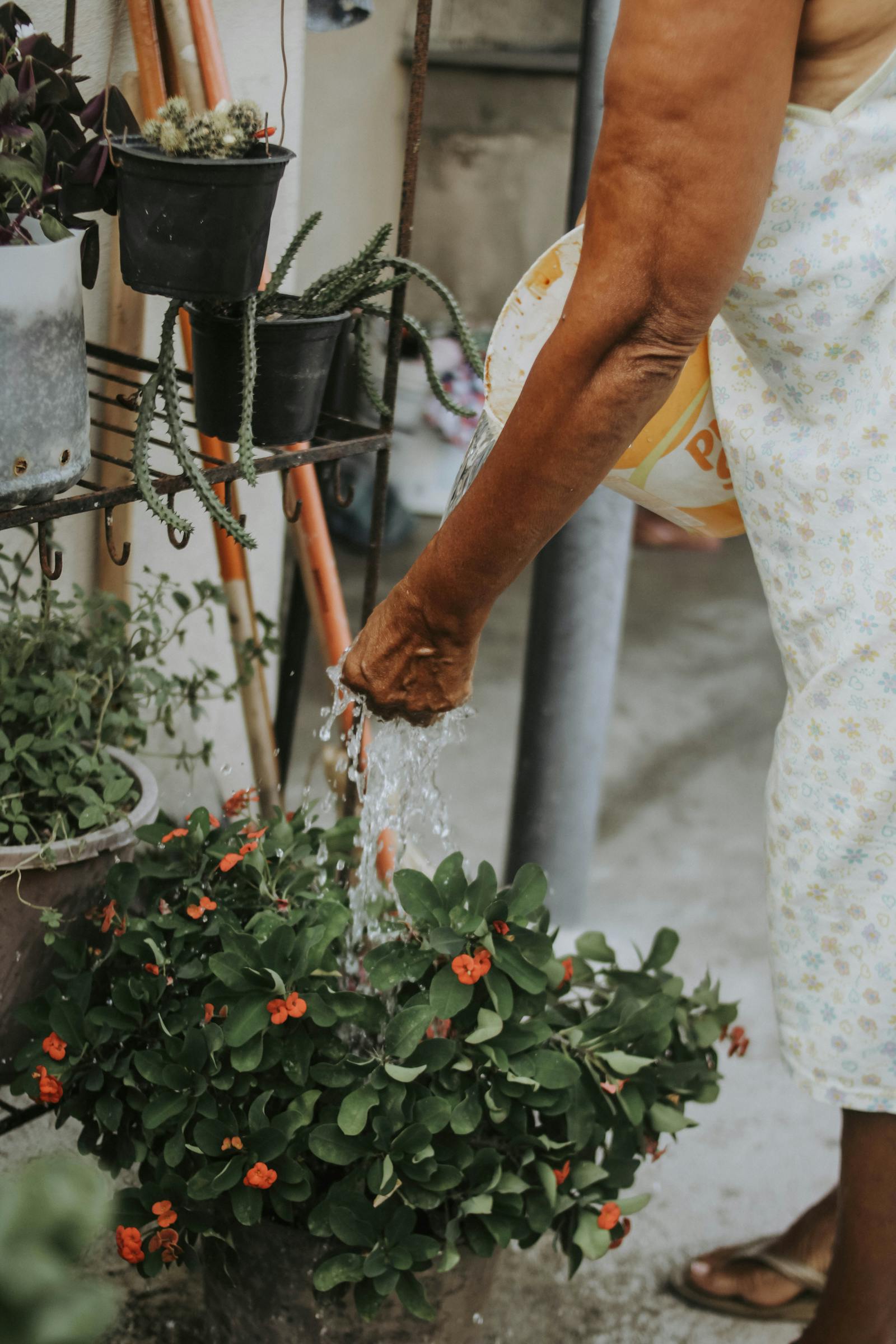
This alone solves about 60% of cases. Fungus gnats can’t lay eggs in dry soil, and larvae can’t survive without moisture. Stop watering until the top inch (or even two) is completely dry. For most houseplants, that’s an extra 3-7 days beyond your usual schedule.
When you do water, water deeply from below if possible (set the pot in a tray of water for 20 minutes, then drain) so the top stays dry while the lower roots still drink.
Step 2: Use yellow sticky traps
Adult fungus gnats are strongly attracted to yellow. A flat yellow sticky card stuck into the soil or hung just above the plant will catch dozens of adults within a few days. This breaks the breeding cycle.
You can buy these online or at any garden centre for $4-8. They last weeks. Once they fill up, replace them. Keep using them for 2-3 weeks even after you stop seeing gnats, to catch any final stragglers.
Step 3: Top-dress with a dry barrier
A 1/2 inch layer of something dry on top of the soil makes it physically difficult for adult gnats to lay eggs in the soil and for larvae to emerge. Options:
- Horticultural sand or fine gravel. Cheap, looks tidy. Sprinkle a half-inch layer over the soil.
- Decorative aquarium gravel. Works fine, looks nice.
- Cinnamon powder. A light dusting. Has mild antifungal properties too. Refresh every couple of weeks.
- Diatomaceous earth (food-grade). Lethal to soft-bodied insects when contacted. Apply lightly; refresh after watering.
None of these harm the plant. They simply break the breeding cycle.
Step 4: For stubborn cases, treat the larvae directly
If steps 1-3 don’t fully resolve things in 2 weeks, attack the larvae:
- Hydrogen peroxide drench. Mix 1 part 3% hydrogen peroxide with 4 parts water. Use to water the plant. The peroxide kills larvae on contact but breaks down into water and oxygen within minutes, leaving no residue and no harm to the plant. Repeat once a week for 2-3 weeks.
- Bti (Bacillus thuringiensis israelensis). Sold as “mosquito bits” or “mosquito dunks.” Sprinkle a tablespoon on top of the soil or steep in your watering can. Bti is a naturally-occurring bacterium that’s lethal to fungus gnat larvae and harmless to plants, pets, and people. The gold standard for stubborn infestations.
Repeat with all your plants
Fungus gnats spread between pots fast. If you have an infestation in one plant, treat all of them simultaneously. Otherwise the gnats just relocate to the next damp pot and you’ll be doing this forever.
What doesn’t work (and why)
- Apple cider vinegar in a bowl. Catches a few adult gnats, but barely scratches the breeding population. Useful only as an extra.
- Spraying the soil with bug spray. Kills some adults briefly. Doesn’t touch the larvae. Often harms the plant.
- Switching to all-new soil without addressing watering. The new soil gets infested within a week if you’re still keeping it damp.
- Putting the plant outside in the cold. Stresses the plant; eggs can survive in soil even in cold weather.
How to prevent them coming back
Once you’ve cleared a fungus gnat infestation, prevent the next one with a few simple habits:
- Let the top inch of soil dry out between waterings. This is the single biggest prevention.
- Bottom-water plants that are particularly susceptible. The top of the soil stays dry.
- Don’t reuse old, broken-down potting mix without amending it with fresh soil and perlite.
- Inspect any new plant carefully before bringing it home. Check the underside of leaves and tap the pot gently – if a small cloud of flies rises, leave it at the shop.
- Quarantine new plants for a week or two in a separate room before mixing them with your existing collection.
What about really bad infestations?
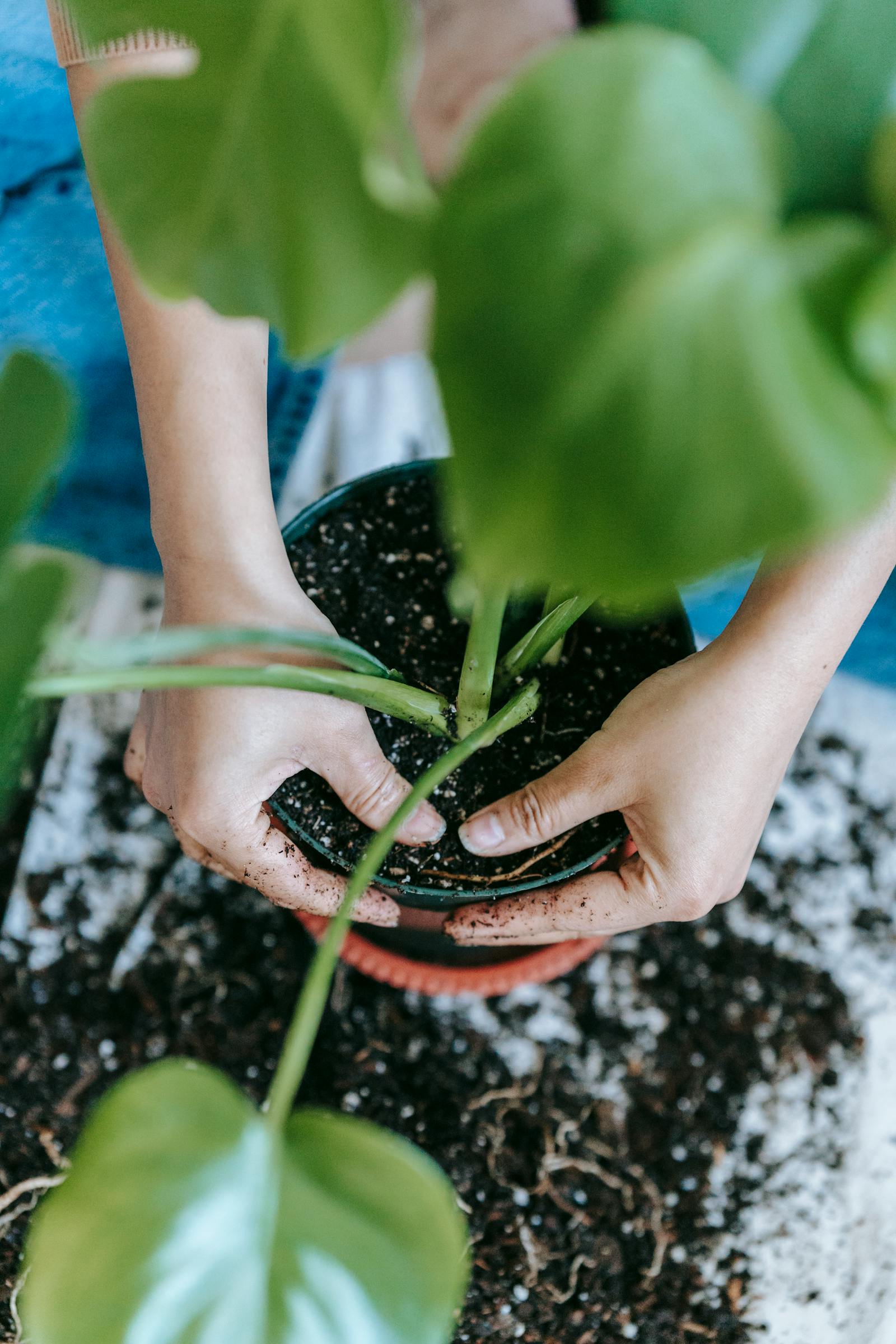
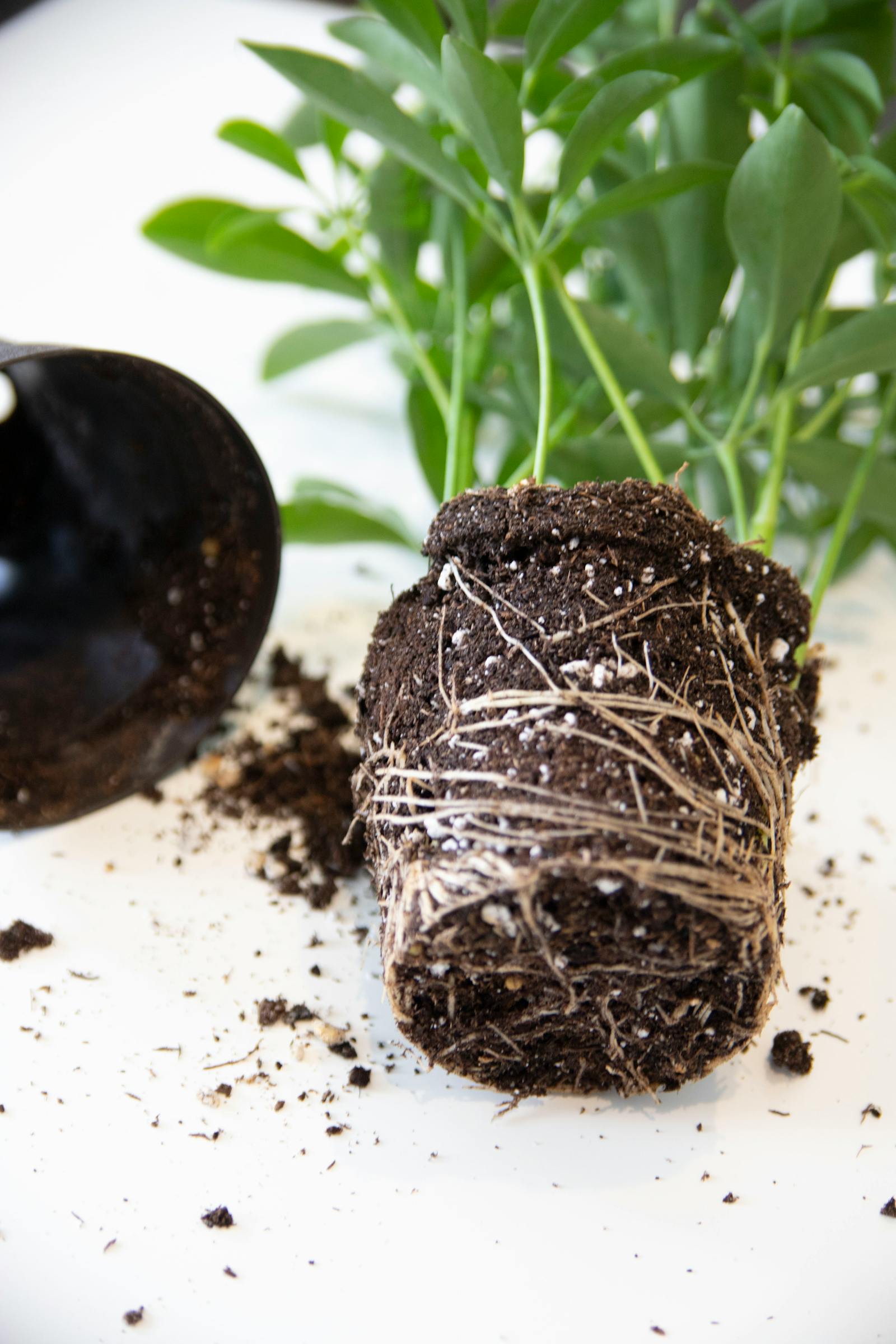
If you’ve had gnats for months and they keep coming back even with all four steps, it might be time for a full repot:
- Remove the plant. Wash off as much old soil as possible from the roots.
- Discard the old soil completely (outside, not in your indoor bin where eggs can still hatch).
- Wash the pot with hot soapy water and let it dry.
- Repot in fresh, dry potting mix.
- Don’t water for several days; then water normally going forward.
For more on choosing the right soil for the long term, see our guide to potting soil vs garden soil.
The bottom line
Fungus gnats are annoying but almost never serious. They’re the houseplant equivalent of a parking ticket – irritating, persistent, but a clear sign that something else (usually overwatering) needs fixing. Let the soil dry out. Sticky traps catch the adults. A dry top-layer breaks the breeding cycle. Hydrogen peroxide or Bti finishes the job for stubborn cases.
Within 2-3 weeks of starting the plan, the gnats are usually gone. The bigger lesson – that you were probably watering too often – lasts longer.
For other common houseplant problems and their fixes, see our guide to 15 beginner gardening mistakes. And to make sure your watering schedule is right going forward, our how often to water plants guide is the natural follow-up.
See also: the fix for white mold on soil.