Anúncios
More houseplants die between November and February than any other time of year. Not from cold – from people maintaining their summer care routine despite the plants being in winter slowdown mode. Here’s what actually changes for your plants in winter, and how to adjust.
What changes for your plants in winter
- Light drops by half or more. Shorter days, weaker sun angle. A south-facing window in December provides much less light than in July.
- Growth slows or stops. Many houseplants enter semi-dormancy. They use less water and less nutrients.
- Indoor air dries out. Heating systems drop humidity to 20-30% (vs. 40-50% in summer). Tropical plants especially feel this.
- Temperatures swing. Cold draughts near windows, hot blasts from heating vents.
The winter adjustment
1. Water less – significantly less
This is the single most important winter change. Cut your summer watering frequency by 30-50% for most houseplants. Snake plants and ZZ plants barely need water at all in winter – sometimes once a month.
Anúncios
Always check the soil first. The “feel the soil” rule still applies, but in winter the soil dries much slower, so you’ll find yourself waiting longer between waterings.
2. Move plants closer to windows
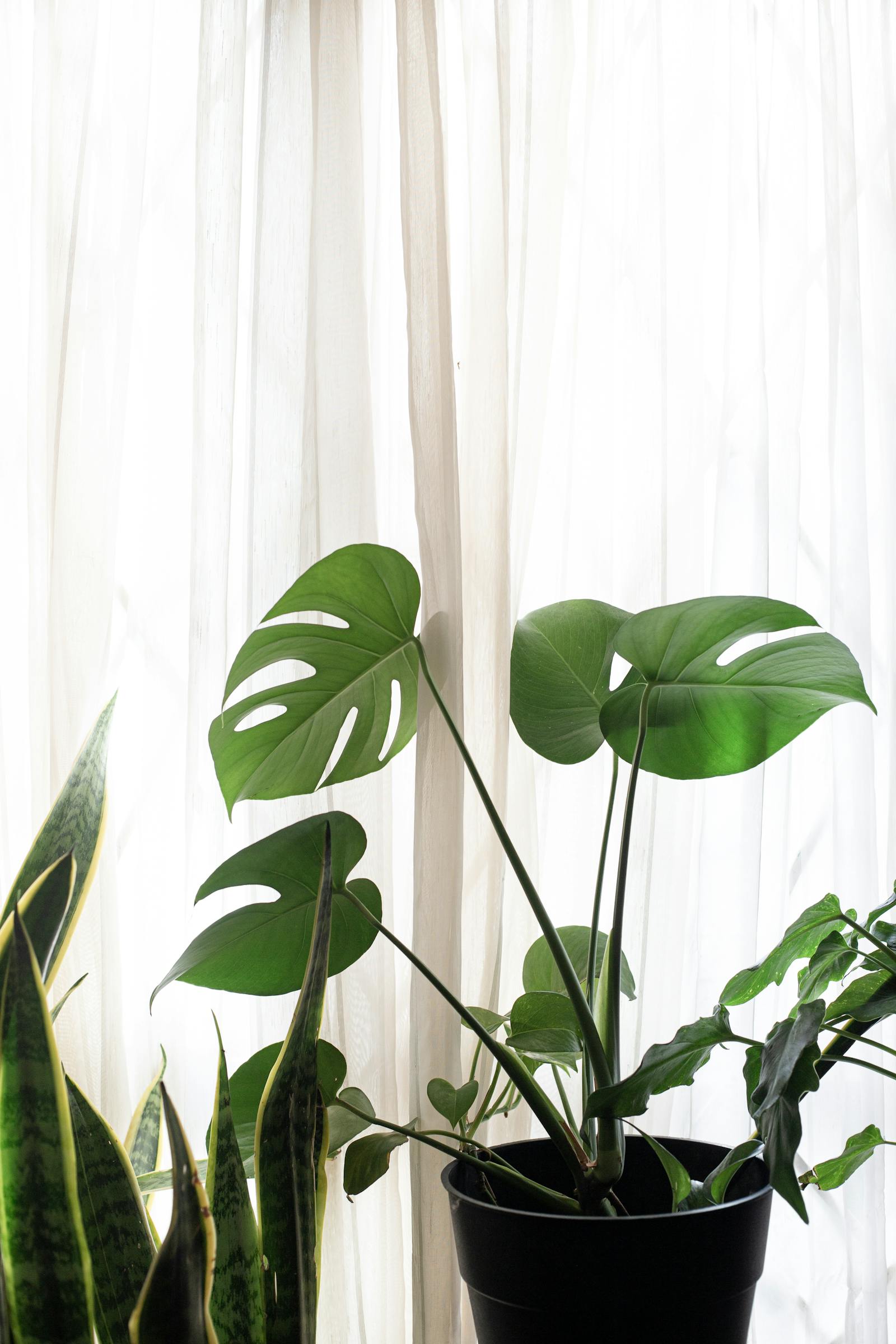
The light at the back of a room in winter is barely above darkness for most plants. Move them closer to whatever light you have. A south-facing window position that would have scorched a plant in summer is often perfectly tolerable in winter.
3. Pause fertilizing
Don’t fertilize most houseplants in winter. They’re not actively growing, can’t use the nutrients, and excess fertilizer salts accumulate in the soil. Resume in early spring when you see new growth.
Anúncios
Exception: tropical plants in very bright spots that continue growing through winter can take a quarter-strength feed every 8 weeks.
4. Address dry air
For humidity-loving plants (ferns, calatheas, prayer plants, fiddle leaf figs):
- Move to a bathroom or kitchen with naturally higher humidity.
- Group plants together – their combined transpiration raises local humidity.
- Run a small room humidifier near sensitive plants.
- Set pots on a pebble tray with water (pot sits on the pebbles, not in the water).
Daily misting is often recommended but is much less effective than people think – the humidity boost lasts only minutes.
5. Watch for cold and heat extremes
- Move plants away from cold window glass on freezing nights. Even tropical plants can chill against single-pane glass.
- Keep plants away from heating vents that blast hot dry air directly on them.
- Don’t put plants in rooms that drop below 50°F (10°C) overnight.
Plant-specific winter notes
- Pothos and philodendron: tolerate winter slowdown well. Just water less.
- Snake plant and ZZ plant: barely need water – monthly or less.
- Succulents and cacti: winter is their natural dormant period. Water minimally; some species need none at all from November to February.
- Peace lily: still droops when thirsty but less often. Water as usual but reduce frequency.
- Ferns: hate dry winter air. Move to a humid bathroom or run a humidifier.
- Fiddle leaf fig: notoriously sensitive to winter changes. Reduce watering and don’t move it around.
- Calathea / prayer plants: humidity is critical. Drop everything else (water, fertilizer) before you neglect humidity.
Common winter mistakes
- Watering on the summer schedule. The most common winter killer.
- Fertilizing dormant plants. Damages roots.
- Ignoring dropped humidity. Sensitive plants get crispy.
- Leaving plants pressed against cold window glass overnight.
- Putting plants directly under a heating vent.
- Buying new plants in deep winter. They’re stressed from cold transport; spring is a better time.
What about pest pressure?
Counterintuitively, indoor pests often get worse in winter. Heated indoor air without natural predators lets spider mites, mealybugs, and scale multiply. Inspect plants weekly during your watering routine. Catch infestations early.
The early-spring signal
You’ll see new growth around February-March (depending on light). That’s your signal to:
- Gradually increase watering.
- Resume light fertilizing.
- Plan any spring repotting.
The bottom line
Winter houseplant care is about doing less – less water, less food, less moving around. Match your routine to the plant’s slowed activity and you’ll have all your plants alive in March, ready for spring.
For more on watering specifically, see how often to water houseplants. For dealing with dry air, see brown leaf tips causes.
The week-by-week winter transition
The shift from summer care to winter care doesn’t happen overnight. A practical timeline:
- Late August / early September: stop fertilizing heat-loving plants.
- Mid-September: reduce watering frequency by 10-20% as growth slows.
- Early October: bring outdoor houseplants back inside; quarantine new plants for 1-2 weeks before mixing with existing collection.
- Late October: position plants closer to windows for maximum winter light.
- November: full winter mode – watering frequency 30-50% below summer; no fertilizer.
- February: watch for first signs of new growth; gradually resume light fertilizing.
- March: return to normal watering frequency as days lengthen.
Heating system adjustments
Indoor heating creates two specific plant problems:
- Dry air. Heated indoor humidity often drops to 20-30%, vs 40-50% in summer. Tropical plants visibly suffer – brown leaf tips, crispy edges.
- Hot spots. Plants directly above radiators or near vents experience constant warm dry air. The soil dries fast and leaves get crispy.
Solutions:
- Move sensitive plants away from radiators and vents.
- Group humidity-loving plants together for a microclimate.
- Place a small humidifier near tropical plants.
- Move ferns and calatheas to the bathroom during dry months.
The cold-window problem
Plants directly against single-pane windows in cold climates experience significant nighttime chill:
- Tropical plants can experience cold damage even when room temperature stays warm.
- Leaves touching cold glass develop frost spots or yellowing.
- Roots near the window edge of the pot get cold-shocked.
Solutions: move plants a few inches back from the glass at night, or insulate single-pane windows with bubble wrap or window film. For very cold climates, simply relocate sensitive plants away from windows overnight during deep freezes.
The watering-temperature mistake
Cold tap water on tropical plants in winter causes additional stress. Always use room-temperature water – tap water left out overnight is fine, or warmed gently. The temperature difference between cold water and tropical plant roots can shock the plant and slow recovery from any other issue.
For room-by-room watering adjustments in winter, see how often to water houseplants.