Anúncios
A drooping plant looks dramatic and feels like an emergency. Sometimes it is. More often, it’s the plant communicating one of a few specific issues – and you just need to read the signal correctly.
The diagnostic question: what does the soil feel like?
Before doing anything, check the soil with a finger.
Anúncios
- Dry soil + drooping = thirst. The easy case. Water and watch the plant perk up within hours.
- Damp soil + drooping = overwatering / root rot. The harder case. Stop watering, check roots.
- Soil moisture normal + drooping = something else. See sections below.
1. Thirst (most common)
The plant droops dramatically but leaves are still firm. Soil is dry. Within 1-3 hours of watering, the plant springs back to normal.
Common droopy-when-thirsty plants:
- Pothos: a classic; droops then recovers in hours.
- Peace lily: nearly horizontal leaves when thirsty; vertical again after watering.
- Hydrangea (outdoor): dramatic afternoon droop, recovery in evening.
- Cucumber and squash leaves: wilt in hot afternoon sun, recover in cool evening.
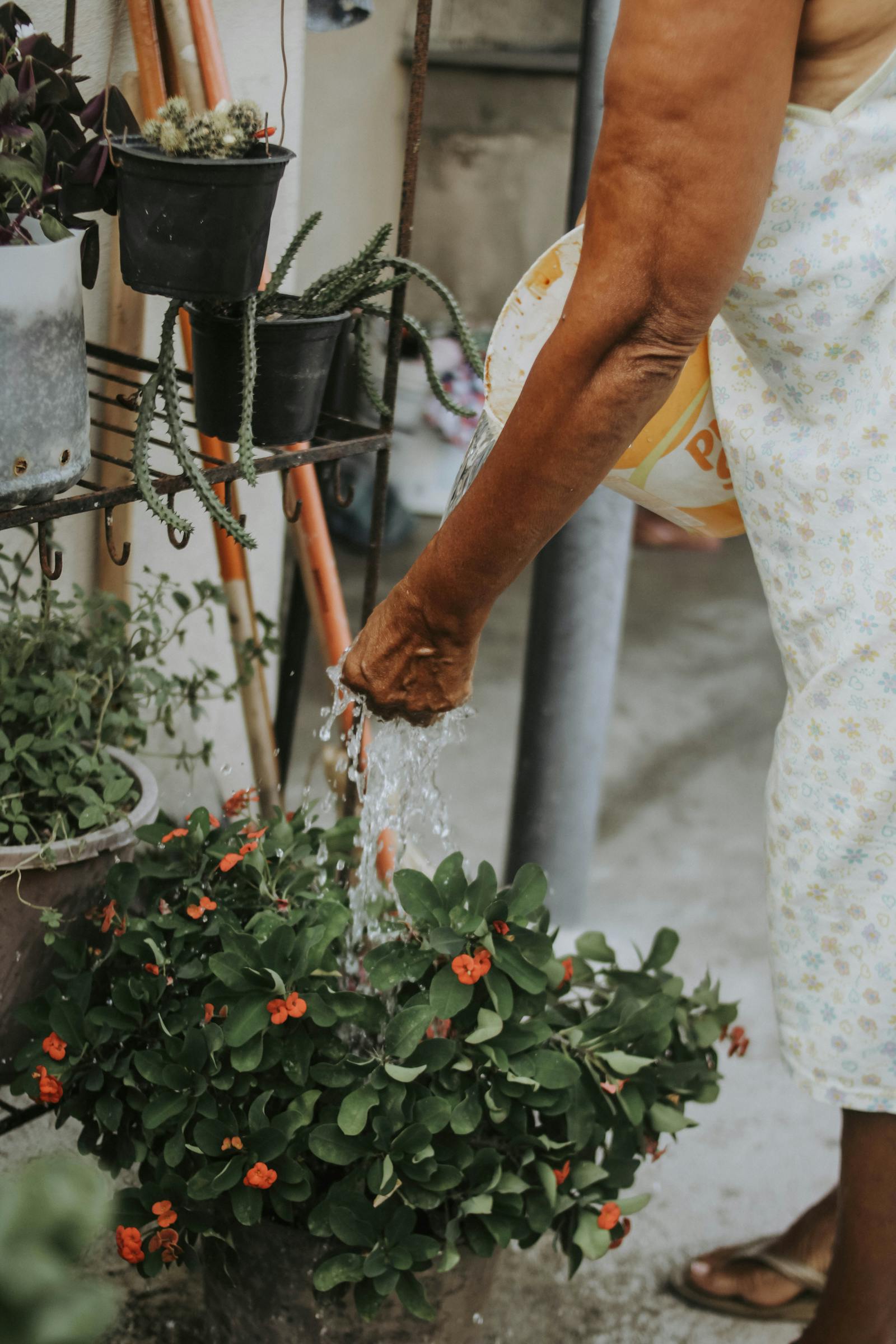
Fix: water thoroughly. If this happens often, increase watering frequency or pot up to a larger size.
Anúncios
2. Overwatering / root rot
The drooping looks similar but doesn’t recover after watering. Leaves are soft, sometimes yellowing. Soil is damp – sometimes for over a week.
Fix: stop watering. Check soil drainage and pot for holes. For severe cases, unpot and trim rotted roots. See how to revive a dying plant.
3. Transplant or environmental shock
Recently repotted, moved, or relocated? Drooping is normal for the first 1-2 weeks. The plant is recovering from root disturbance or adapting to new conditions.
Fix: patience. Keep the plant in moderate light, water carefully (not heavily), and don’t make more changes. Most plants recover within 2-4 weeks.
4. Temperature stress
Cold drafts, near-freezing windowsills, or sudden exposure to hot direct sun can cause sudden drooping. Tropical houseplants are especially sensitive.
Fix: move the plant away from the temperature extreme. Keep tropical plants above 55°F (13°C) and out of cold drafts.
5. Pot too small / rootbound
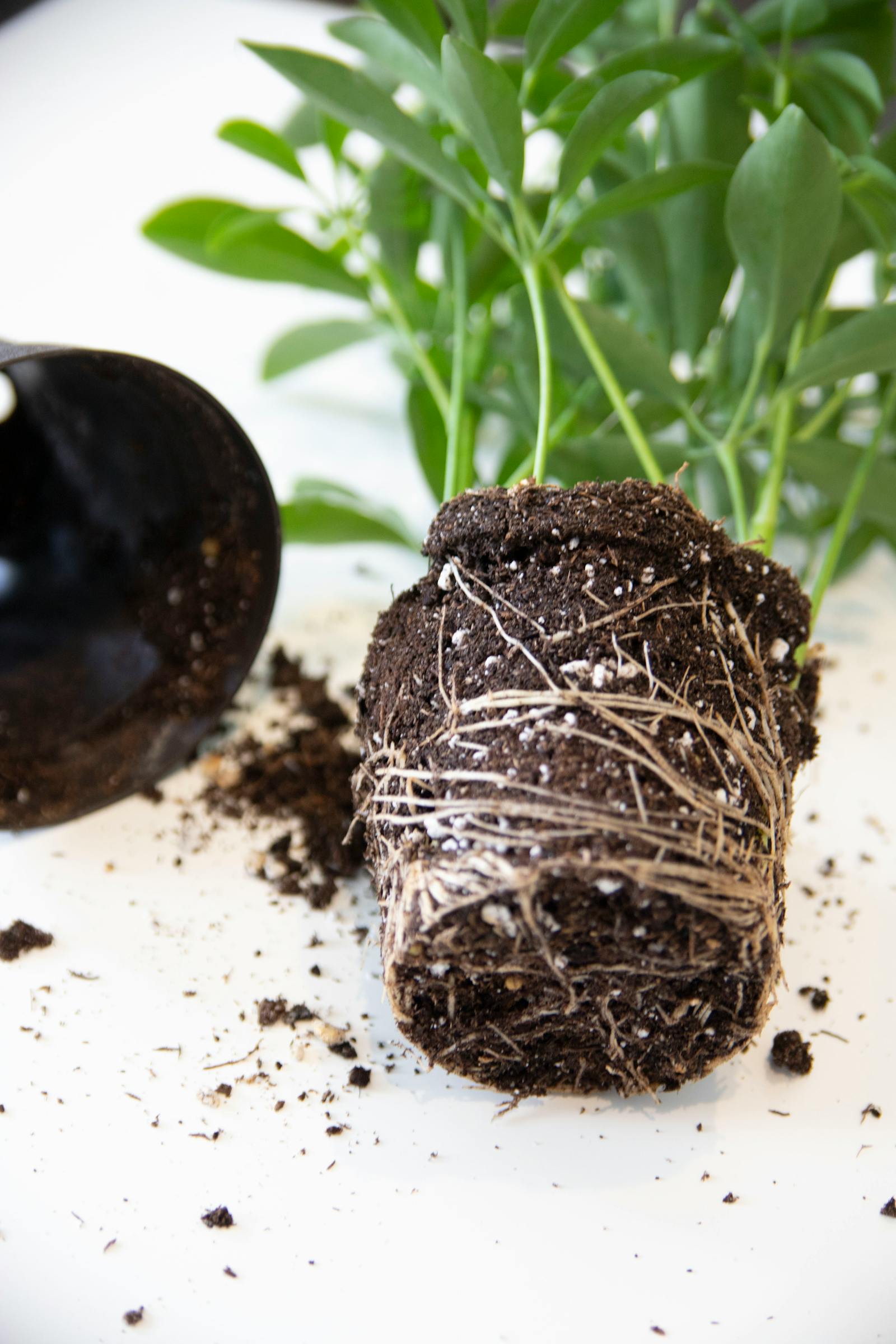
The plant has grown beyond its pot. Roots are circling and there’s no room for water retention. The pot dries out within hours of watering.
Fix: repot one size up. See how to repot a plant.
6. Pest infestation
Severe pest issues (spider mites, scale, root mealybugs) can cause drooping. Look closely at leaf undersides, leaf joints, and around the soil for pests.
Fix: identify the pest and treat accordingly. Insecticidal soap or neem oil for most common houseplant pests; isolate the affected plant.
Plant-specific droop patterns
- Peace lily: droops like a wilted bouquet when thirsty. Recovery in 1-2 hours. The most reliable “water me” signal in the houseplant world.
- Pothos: leaves go soft and the vine flops. Quick recovery after watering.
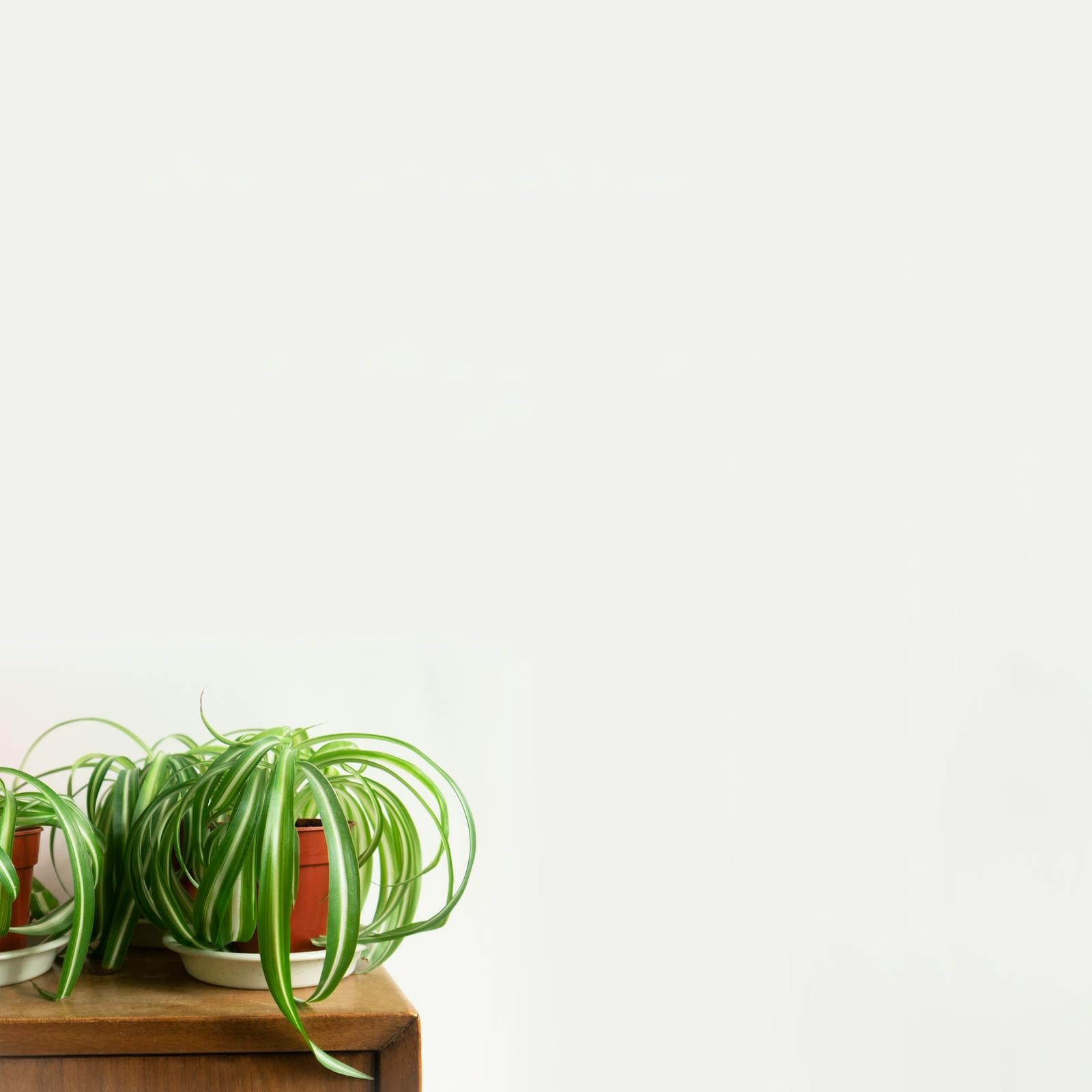
- Spider plant: rarely droops dramatically. Persistent drooping usually = root issue.
- Snake plant: shouldn’t droop. If it does, it’s almost always severe overwatering and root rot.
- Fiddle leaf fig: droops for almost any reason – water swings, light changes, repotting. Very dramatic. Often returns to normal after stabilization.
- Calathea: daily natural movement (leaves raise at night, lower during day). Don’t confuse with drooping.
When to actually worry
- Drooping that doesn’t recover after watering (and soil isn’t soggy).
- Combined with yellow lower leaves and soft stems.
- A faint sour smell from the soil.
- Soft, blackening spots near the base.
These suggest root rot. Take the plant out of its pot and check the roots – healthy = firm and white; rotting = brown, black, or mushy.
The bottom line
Most drooping plants are simply thirsty. Check the soil first. If dry, water. If damp, suspect overwatering. If neither, look at recent changes and pests. Within an hour you’ll usually know which of the six causes is the right one.
For broader troubleshooting, see 15 beginner gardening mistakes.
The species-by-species droop guide
| Plant | Droop behaviour |
|---|---|
| Peace lily | Most dramatic – leaves collapse fully when thirsty. Bounces back within 1-2 hours of watering. |
| Pothos | Whole vine softens and droops over the pot edge. Recovers in a few hours. |
| Philodendron | Similar to pothos. Quick recovery. |
| Fiddle leaf fig | Subtle droop, slow recovery. Often signals more than just thirst. |
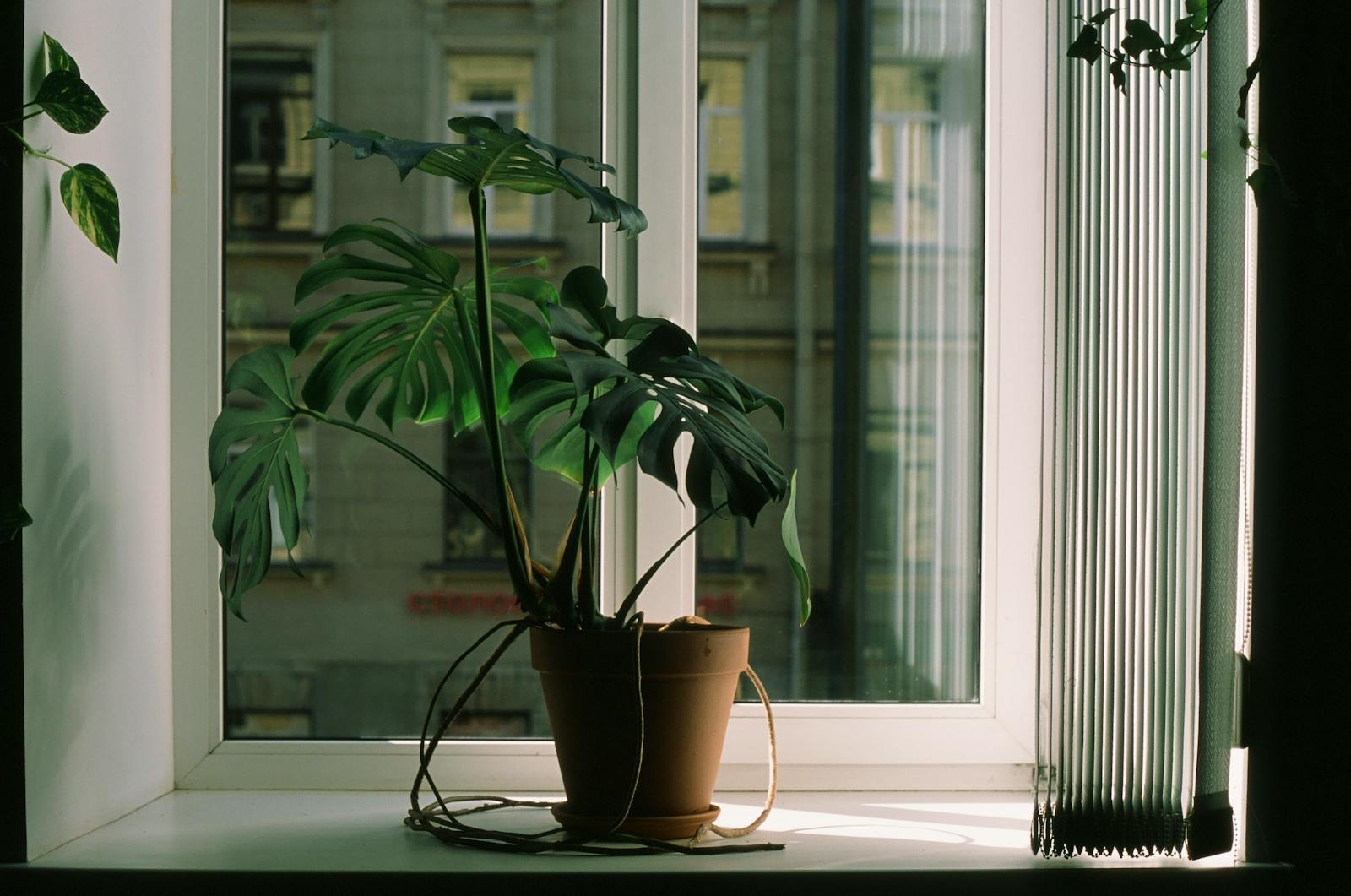
| Snake plant / ZZ plant | Should not droop normally. If they do, suspect severe overwatering or root rot. |
| Calathea | Daily natural movement – leaves rise at night, lower during day. Don’t confuse with drooping. |
| Spider plant | Rarely droops dramatically. Persistent droop usually = root issue. |
| Ferns | Fronds droop with low humidity or dry soil. May not fully recover from severe drought. |
The 24-hour test
If you can’t figure out why a plant is drooping, do this:
- Check soil moisture. If dry, water deeply.
- Set the plant in moderate light (not direct sun).
- Wait 24 hours.
- Reassess.
Outcomes:
- Full recovery: it was thirsty. Adjust watering frequency.
- Partial recovery: still has root function but some damage. Continue careful watering; will likely fully recover in days.
- No improvement: not thirst. Suspect root rot, transplant shock, or pest infestation. Check roots.
What about repeated drooping?
A plant that droops every few days even with consistent care has a deeper issue. Three common causes:
- Pot too small. Roots have filled the pot; soil dries out within hours. Repot one size up.
- Soil too compacted. Old potting mix breaks down and stops holding water properly. Refresh or repot.
- Drainage too aggressive. Some plant-pot combinations dry too fast even with proper watering. Move to a slightly slower-draining pot or use self-watering containers.
The fix for repeated drooping is usually a small upgrade rather than a watering adjustment. For more on diagnosis, see why your potted plant keeps wilting.