Anúncios
Yellow leaves are houseplant language for “something is wrong.” They almost always mean one of six specific problems. The good news: you can usually identify which one by looking at the pattern.
Read the pattern
Where the yellow appears tells you the cause:
Anúncios
| Pattern | Most likely cause |
|---|---|
| Lower leaves yellow and drop; soil damp | Overwatering (most common) |
| Crispy yellow leaves; soil bone dry | Underwatering |
| Yellow with brown edges; pale wash | Too much direct sun |
| Yellow with green veins still visible | Nutrient deficiency |
| One or two scattered yellow leaves; rest healthy | Natural leaf aging |
| Multiple yellow leaves after recent move/repot | Transplant or environmental shock |
1. Overwatering (the most common cause)
Yellow lower leaves, soft and floppy, on a plant where the soil never seems to dry out. Often comes with brown soft stems at the base.
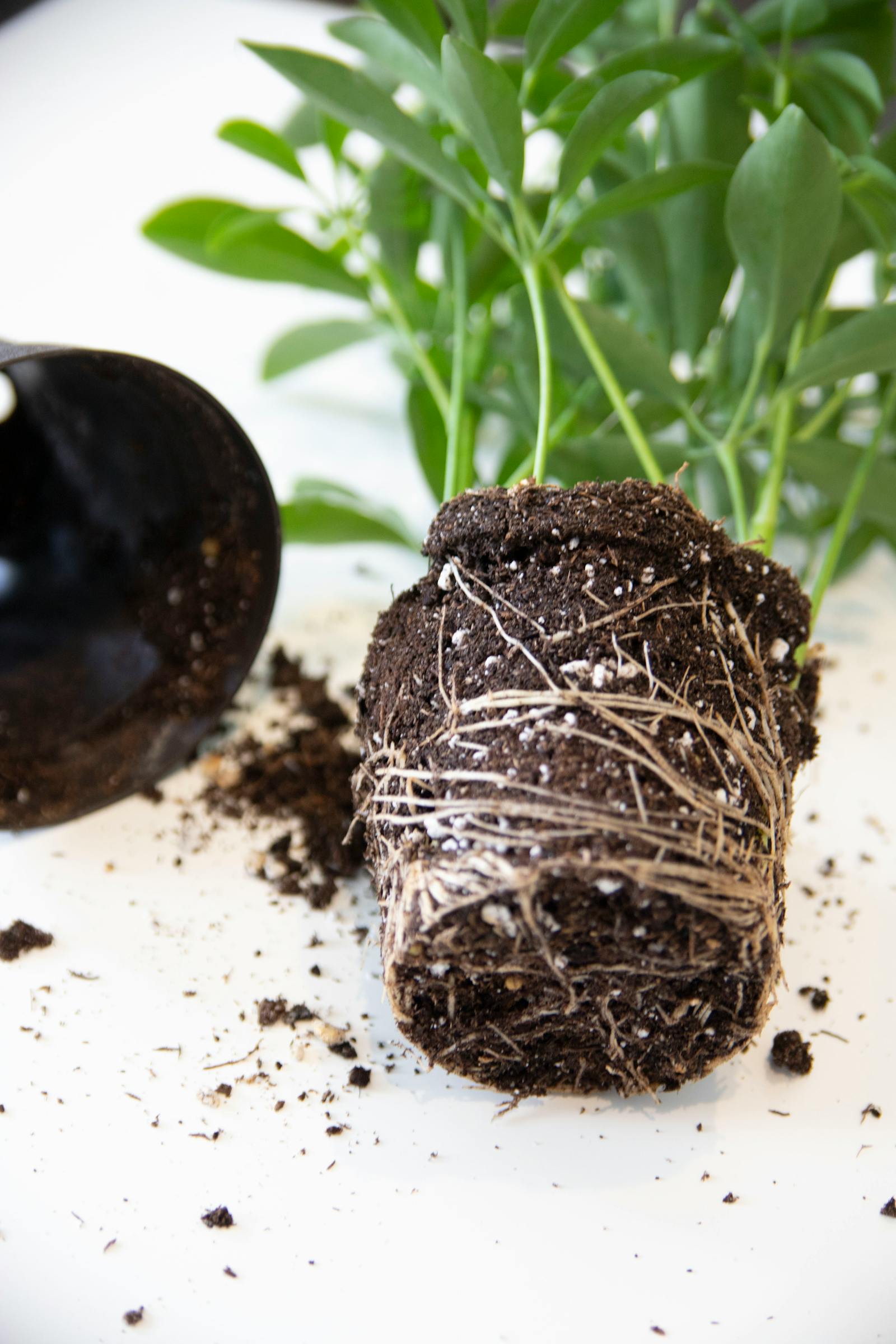
Fix: stop watering. Let the soil dry out completely. Move to a brighter spot if possible (speeds drying). Check drainage – if the pot has no holes, repot. For serious cases, unpot and trim any rotted roots.
See overwatering vs underwatering signs for the full diagnosis.
Anúncios
2. Underwatering
Less common but real. Yellow leaves that are crispy or papery, soil very dry, pot lightweight when lifted.
Fix: bottom-soak the pot in a basin of water for 20-30 minutes. Most plants recover within a day. Adjust frequency going forward.
3. Too much direct sun
Leaves develop pale, washed-out patches on the side facing the sun. Sometimes with brown crispy edges where the leaf overheated.
Fix: move the plant a few feet back from the window or filter the light with a sheer curtain. Most houseplants want bright indirect light, not direct sun through glass.
4. Nutrient deficiency
The pattern that’s specifically yellow leaves with still-green veins is called interveinal chlorosis – usually a sign of iron, magnesium, or nitrogen deficiency. Most common in older potting mix that’s run out of nutrients.
Fix: feed with a balanced liquid fertilizer at half strength. If the plant hasn’t been fertilized in over 6 months and isn’t due for repotting, fertilize. If older than 1-2 years in the same soil, repot in fresh mix.
5. Natural leaf aging
Plants drop old leaves periodically. One or two yellowing leaves at the bottom of an otherwise healthy plant is just normal turnover.
Fix: trim them off if they bother you. No other action needed.
6. Shock from a recent change
Plants moved to a new location, repotted, or exposed to cold drafts often drop a few leaves as they recover. Look for: recent move, repotting in the last few weeks, near a frequently-opened cold window or air conditioner vent.
Fix: stabilize conditions. Avoid more changes. The plant usually recovers within 2-4 weeks.
Plant-specific notes
- Pothos: yellow lower leaves almost always = overwatering.
- Snake plant: yellow soft leaves at the base = severe overwatering or root rot.
- Spider plant: yellow tips = tap water minerals (use filtered water).
- Peace lily: yellow with brown patches = often too much light or hard water.
- Calathea: yellow + crispy = humidity issue or hard water.
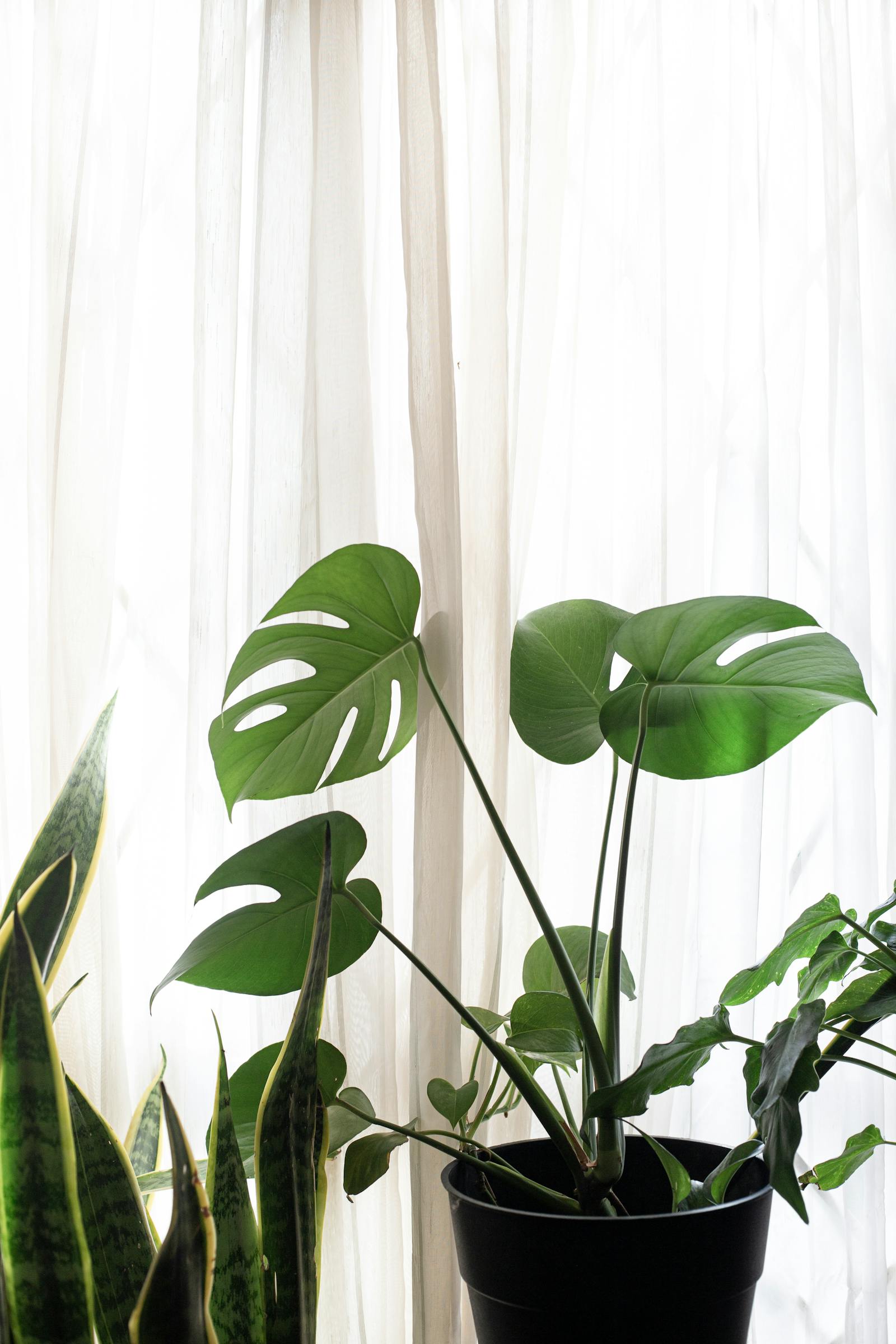
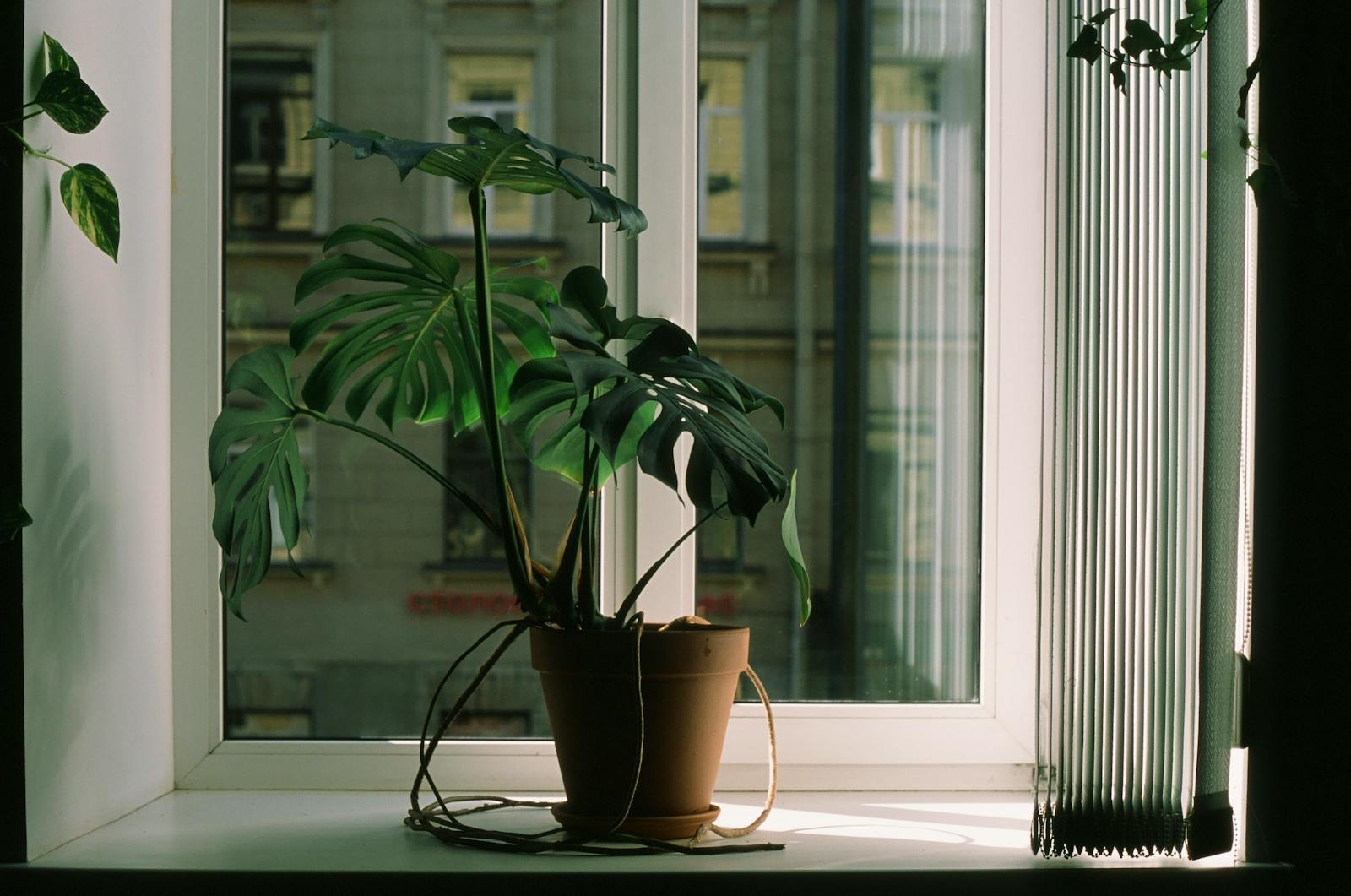
- Monstera: yellow lower leaves while top growth is healthy = often just normal turnover.
The diagnostic sequence
When you see yellow leaves:
- Feel the soil. Damp = overwatering. Dry = underwatering or aging.
- Check for direct sun on the affected leaves.
- Note how long the plant has been in its current pot/soil.
- Check for recent changes (move, repot, drafts).
- Look at the pattern: lower leaves vs. scattered vs. veined.
Match what you find to the table at the top and apply the fix.
The bottom line
Yellow leaves aren’t one problem – they’re a category with six specific causes. Diagnose by pattern and conditions, then fix the specific cause. Don’t change five things at once.
For broader troubleshooting, see 15 beginner gardening mistakes and how to revive a dying houseplant.
The diagnostic walkthrough
When you find yellow leaves, work through this sequence rather than guessing:
- Check soil moisture first. Push a finger 1-2 inches in. Damp/wet = overwatering. Bone dry = underwatering. Slightly moist = something else.
- Note which leaves are affected. Lower only = often overwatering or natural aging. Multiple scattered = stress or environmental. Upper new leaves = often nutrient deficiency.
- Check the soil itself. White crusty surface suggests salt buildup from over-fertilizing or hard water. Sour smell suggests anaerobic root rot.
- Look at the leaf pattern. Solid yellow = often nutrient or water. Yellow with green veins = often iron deficiency. Yellow with brown tips = dry air or salt buildup.
- Check recent changes. New location, repotting, new fertilizer regime, season change – any of these can trigger yellowing.
The species matters
Some plants yellow more dramatically or for different reasons:
- Spider plants and dracaenas: sensitive to fluoride in tap water – causes brown tips that yellow inward.
- Calatheas and prayer plants: notoriously fussy. Yellow leaves often signal humidity issues, hard water, or temperature stress before watering is even the issue.
- Pothos and philodendron: yellow lower leaves almost always = overwatering.
- Snake plants: shouldn’t yellow at all under normal care. If they do, suspect severe overwatering and check for root rot.
- Peace lily: yellow patches often = too much direct sun.
- Fiddle leaf fig: drops yellow lower leaves from almost any change. Stabilize conditions before changing anything else.
The “should I cut it off” question
Yellow leaves won’t turn green again – that tissue is done. But you don’t have to remove them immediately:
- If the leaf is fully yellow or brown, snip it off cleanly with scissors at the base. The plant looks better and won’t waste energy maintaining it.
- If the leaf is partially yellow and partially green, leave it – it’s still photosynthesizing. Remove when fully yellow.
- Don’t yank yellow leaves off forcefully – this can damage the stem and create entry points for disease.
Long-term prevention
Most yellow leaf problems trace back to one of three issues: inconsistent watering, poor drainage, or mismatched light. Build a quick monthly habit:
- Check soil moisture before every watering.
- Empty saucers after watering.
- Rotate plants quarterly so all sides get light.
- Refresh top inch of potting soil annually.
For more detailed troubleshooting, see overwatering vs underwatering and how to revive a dying houseplant.