Anúncios
The biggest reason container vegetables underperform is that the containers are too small. A 6-inch pot from the grocery store kitchen herb shelf is fine for the original seedling and then becomes a bottleneck. Real container vegetables need real containers.
Here’s what actually works.
Anúncios
Size requirements by crop
| Crop | Minimum pot size | Depth needed |
|---|---|---|
| Lettuce / salad greens | Long window box, 4-6 inch deep | 4-6 inches |
| Radishes | 6-8 inch wide pot | 6 inches |
| Bush beans | 8-10 inch | 8 inches |
| Compact peppers / chillies | 10-inch | 10 inches |
| Cherry tomatoes (bush) | 12-inch | 12+ inches |
| Full-size tomatoes | 14-16 inch | 14+ inches |
| Eggplant | 12-inch | 12+ inches |
| Cucumbers (bush varieties) | 12-14 inch | 12+ inches |
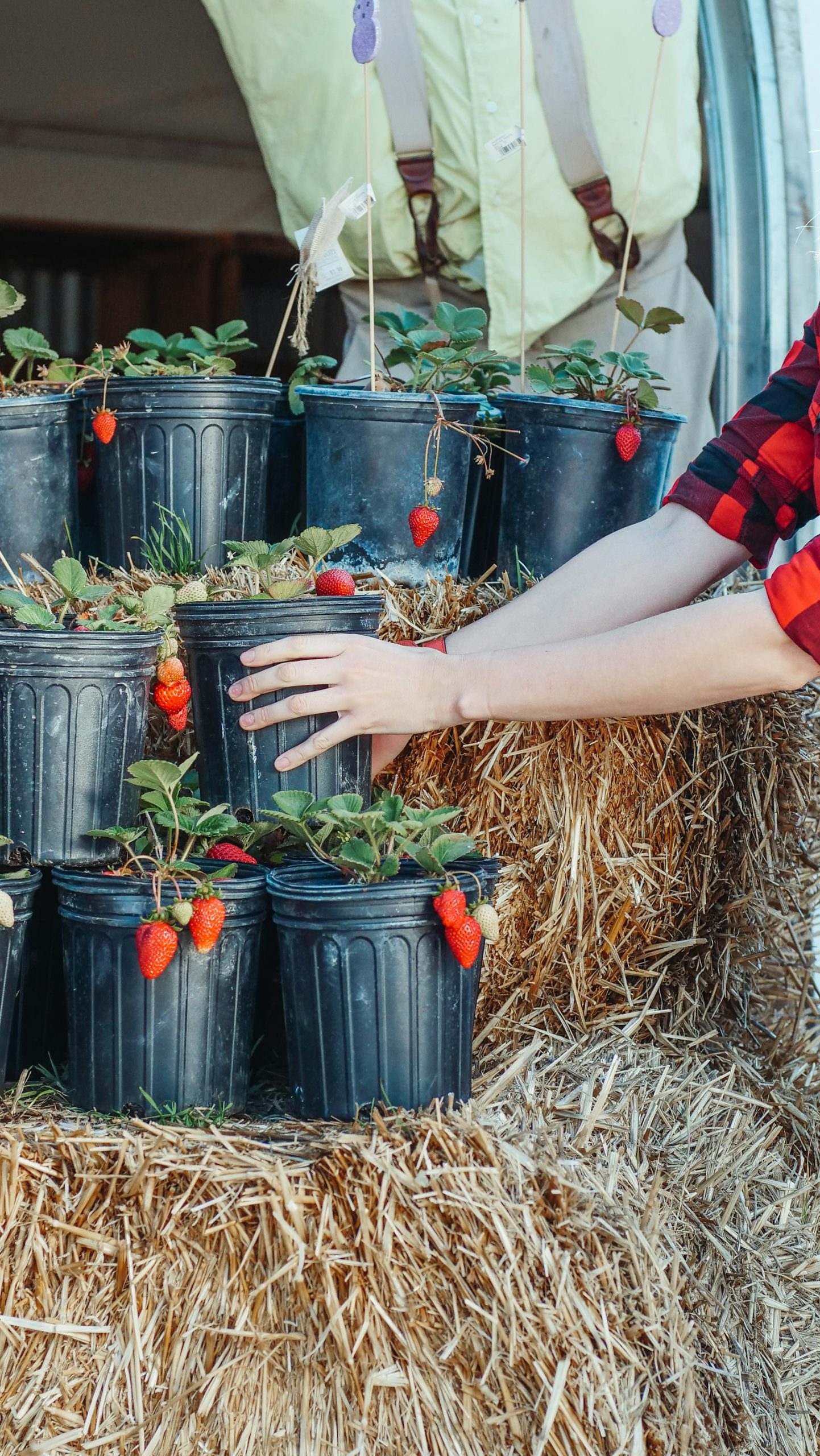
| Strawberries (each plant) | 6-inch each, or strawberry pot | 6+ inches |
| Short carrots | Deep planter | 10+ inches |
| Potatoes | Large grow bag (10-15 gallon) | 14+ inches |
When in doubt, size up. Bigger pots mean more soil, more water capacity, and more room for roots – all good for productive vegetables.
Best materials for container vegetables
1. Fabric grow bags (the best choice for many)
Excellent drainage, air-prune roots (preventing circling), cooler soil temperatures in summer. Cheap, foldable for storage, light weight even when full.
Best for: tomatoes, peppers, eggplant, potatoes, strawberries.
Anúncios
Sizes: 5 gallon for compact varieties, 7-10 gallon for full-size, 15+ gallon for potatoes.
2. Self-watering plastic containers
Built-in reservoir buffers the watering load. Excellent for sunny balconies and forgetful gardeners.
Best for: tomatoes, peppers, lettuce, herbs.
3. Standard plastic pots
Affordable and reliable. Most starter containers. Drainage holes required.
Best for: virtually any crop. Especially good when paired with decorative outer pots.
4. Glazed ceramic
Attractive, slower drying than terracotta. Heavier – watch the weight on a balcony.
Best for: display container vegetables in attractive arrangements.
5. Wooden raised planters
For larger spaces or permanent installations. Lined with plastic for moisture retention.
Best for: salad greens, herbs, multiple crops in one space.
Materials to avoid for vegetables
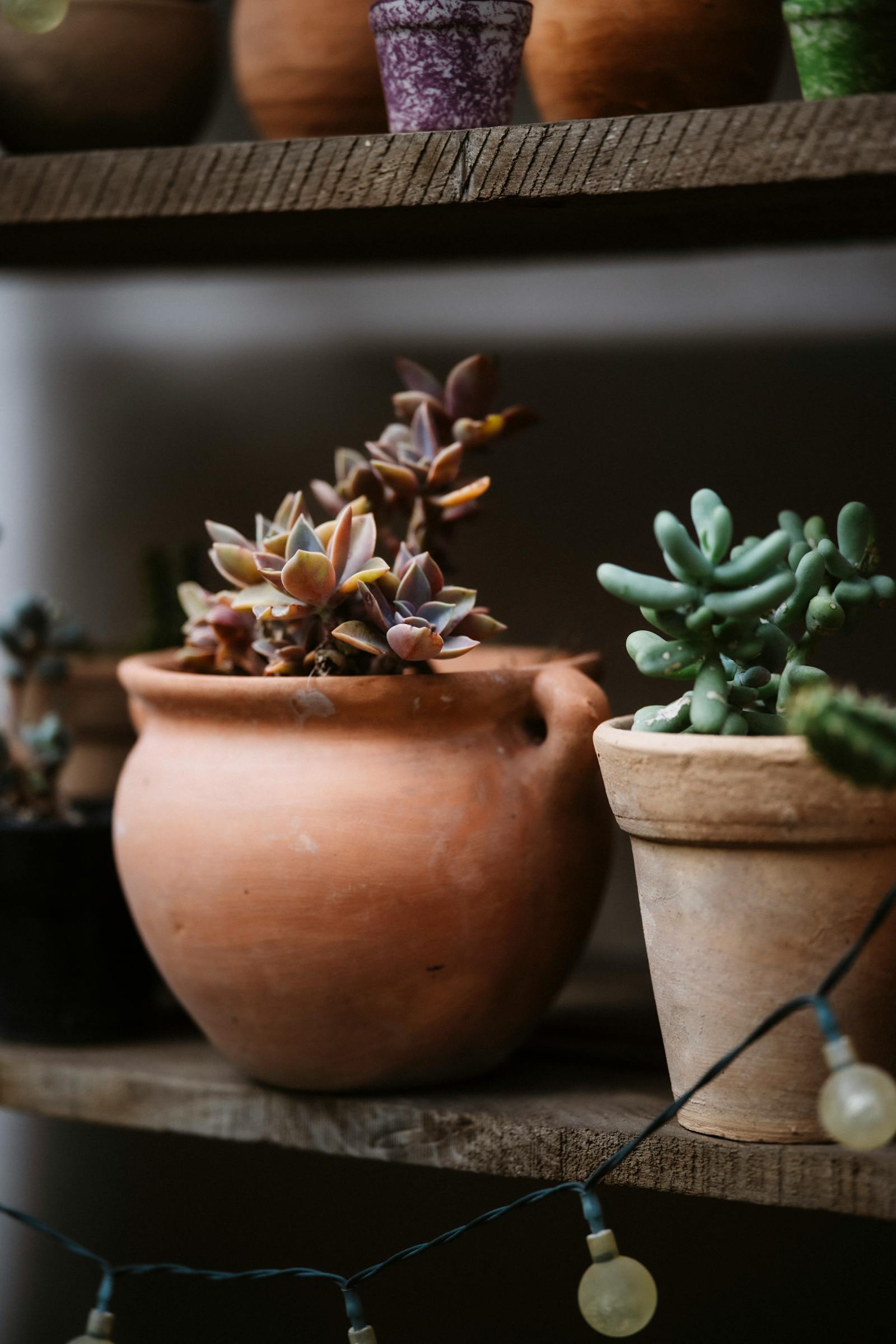
- Small terracotta pots: dries out too fast for thirsty crops in summer.
- Decorative no-drainage planters: root rot waiting to happen.
- Pots smaller than the chart above: stunt the plant.
- Recycled plastic containers without holes: need drilling first.
How many plants per pot
Don’t overplant. Each crop needs its space:
- 1 tomato per 12-inch pot.
- 1-2 pepper plants per 10-inch pot.
- 1 cucumber per 12-inch pot.
- 3-4 lettuce plants per 8-inch pot or 6-8 per long window box.
- 1 strawberry per 6-inch pot or 6-12 per strawberry pot.
- Multiple bush beans (3-4) per 10-inch pot.
Drainage is non-negotiable
Every vegetable pot needs drainage holes. Vegetables don’t tolerate sitting water. See do pots need drainage holes.
Weight considerations
Filled vegetable containers are heavy. A 14-inch pot of soil + tomato + water weighs 40-50 pounds. On balconies, check load capacity before installing multiple large pots. Spread weight across the balcony rather than concentrating in one corner.
Specialty vegetable planters
- Strawberry pots: tall stacked pots with multiple side openings. Fit 10+ strawberry plants in a small footprint.
- EarthBox: commercial self-watering box designed for vegetables. Reservoir keeps tomato plants thriving with weekly refills.
- Stackable planters: vertical planting systems good for salad greens and herbs.
- Window boxes: shallow, long containers perfect for lettuce, salad greens, and shallow-rooted herbs.
The bottom line
For container vegetables, pot size and drainage matter more than material. Use fabric grow bags for heavy feeders like tomatoes, self-watering containers for consistent moisture, and properly sized pots for everything else. Skip undersized pots – they’re the main reason container vegetable harvests disappoint.
For more on container basics, see balcony vegetable garden and fabric grow bags vs pots.
The size-up rule for serious vegetable production
Container vegetables consistently underperform when grown in too-small pots. The yields don’t scale linearly with pot size – they scale dramatically.
For tomato examples:
- 10-inch pot: small bush variety, 0.5-1 lb total harvest.
- 12-14 inch pot: compact varieties, 2-3 lb harvest.
- 5-gallon (12-14 inch deep) container: full-size cherry varieties, 5-10 lb harvest.
- 15-20 gallon grow bag: standard tomato, 15-25 lb harvest.
Double the soil volume often more than doubles the harvest. For productive vegetable growing, prioritize size over aesthetics.
Material trade-offs for vegetables specifically
| Material | Best for | Avoid for |
|---|---|---|
| Fabric grow bag | Tomato, pepper, potato, anything heat-sensitive | Plants in very hot dry climates (dry too fast) |
| Plastic (large) | General use, indoor display | Plants in extreme heat (soil heats up) |
| Self-watering plastic | Tomato, pepper, lettuce, anything wanting consistent moisture | Succulents, Mediterranean herbs |
| Glazed ceramic | Display vegetables you want to look nice | Heavy plants; weight is significant |
| Terracotta | Mediterranean herbs, some peppers | Thirsty vegetables (dries too fast) |
Specialized vegetable containers
Beyond standard pots, several formats are designed specifically for certain vegetables:
- Strawberry pots: tall stacked pots with side openings; fit 10+ plants in a small footprint.
- Potato grow bags: tall fabric bags with side flaps for harvesting without uprooting.
- EarthBox-style self-watering vegetable beds: elongated containers with built-in reservoirs.
- Stackable vertical planters: for salad greens and herbs; fit many plants in a tower.
- Window box vegetable planters: wide and shallow for lettuce and salad greens.
Each format excels for specific crops. Match the container to what you’re growing.
Drainage configuration for vegetable success
Many vegetables (especially tomatoes) hate sitting in water. Setup priorities:
- Pot has drainage holes (essential).
- If using a saucer, empty within 30 minutes of watering.
- Use a riser or pot feet to lift the pot off the surface for airflow.
- If on a balcony, ensure drainage doesn’t damage what’s below.
Self-watering containers handle the drainage question differently – the reservoir is below the soil, and overflow is built into the design. Excellent for vegetables specifically.