Anúncios
The garden centre soil aisle is built to confuse you. There are bags labelled potting mix, potting soil, garden soil, all-purpose, raised bed, organic, vegetable, herb, succulent, orchid, citrus, seed-starting, and several store brands of all of the above. Most beginners stand there for fifteen minutes, pick something that looks fine, and walk away mildly worried they got it wrong.
Here’s the truth: for 95% of beginner gardening, one type of bag covers everything you need.
Anúncios
The single most useful bag
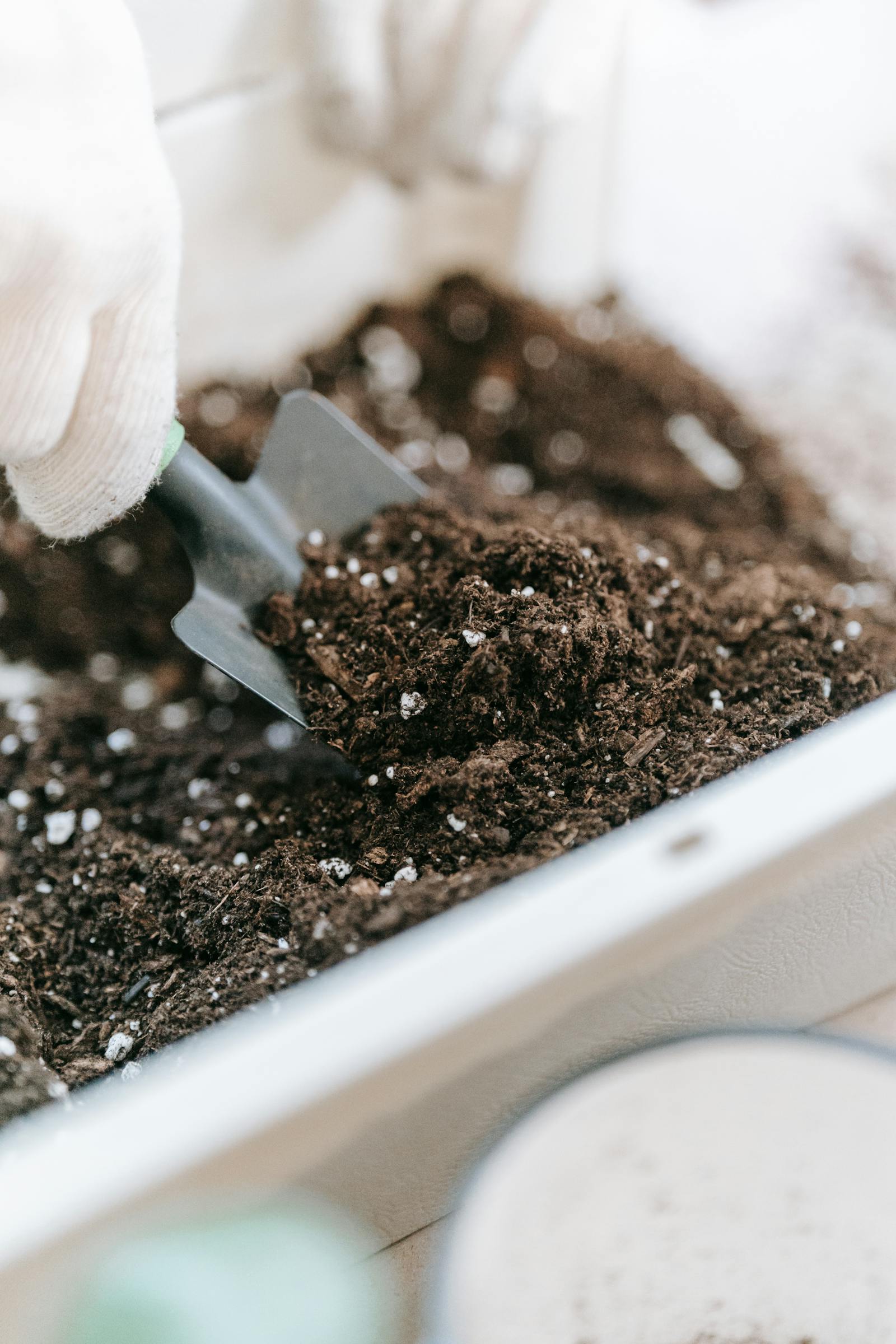
General-purpose potting mix. Sometimes labelled “all-purpose potting mix” or just “potting soil.” Look for one with these ingredients listed on the back:
- Peat moss or coco coir (holds moisture, provides structure)
- Perlite (the white volcanic bits – keeps soil light and well-drained)
- Vermiculite (golden flaky bits – holds water and releases slowly)
- Compost or aged bark (adds gentle nutrients)
- Sometimes a small amount of slow-release fertilizer
This mix grows almost every common houseplant, herb, vegetable, and flower. It’s what experienced gardeners use for the vast majority of their pots.
What’s actually inside a potting mix
The job of each ingredient:
Anúncios
- Peat moss / coco coir. The bulk of the mix. Holds water, gives structure. Peat is traditional; coco coir is more sustainable.
- Perlite. Volcanic glass heated to expand. Creates air pockets so roots breathe and excess water drains.
- Vermiculite. Heated mica. Holds moisture and releases slowly. Good for plants that want consistent moisture.
- Compost. Fully decomposed organic matter. Adds nutrients and biological activity.
- Aged bark. Adds chunkier structure, helps with drainage.
- Slow-release fertilizer. Pre-loaded nutrients lasting 3-6 months. Optional.
You’ll see varying ratios of these depending on the brand. Most general-purpose mixes are roughly 50-60% peat/coir, 20-30% perlite/vermiculite, 10-20% compost/bark.
What’s NOT in good potting mix
If the bag lists any of these as primary ingredients, skip it:
- Soil from the ground. Heavy, compacts in pots, drains poorly. A small amount mixed with other ingredients is okay; pure topsoil is bad.
- Sand. Useful as an amendment for specific plants, but mixes with too much sand drain too fast and don’t hold nutrients.
- Sphagnum peat moss alone. Too acidic and water-retentive without amendments.
For the full breakdown on the difference between potting mix and garden soil, see potting soil vs garden soil.
The specialty mixes: when you actually need them
Most specialty bags are nice-to-have, not need-to-have. The exceptions:
Cactus / succulent mix – sometimes essential
If you’re growing cacti, succulents, or other dry-loving plants, this matters. Regular potting mix holds too much moisture for these. The mix has extra sand, perlite, or pumice for fast drainage.
You can buy it ready-made or DIY: 2 parts general potting mix + 1 part perlite or coarse sand. Same result, cheaper.
Seed-starting mix – useful but not essential
A finer, lighter, more sterile mix designed for germinating seeds. The fine texture is gentler on tiny seedling roots, and the sterile mix reduces fungal disease risk.
For most beginners, regular potting mix works fine for starting seeds. The specialty mix gives slightly better results but isn’t necessary.
Orchid mix – genuinely needed
Orchids don’t grow in soil. They grow in bark, sometimes mixed with charcoal or sphagnum. Putting an orchid in regular potting mix kills it. If you’re growing orchids, buy the specific orchid bark.
African violet, citrus, palm, rose mixes – mostly marketing
These bags exist and they’re tuned for the named plants, but for beginner home growers, the difference is small. A good general-purpose mix grows all of these successfully. Save your money for actual plants.
How much to buy
Beginners consistently buy too little. A rough guide:
- 6-inch pot: about 1 quart of mix
- 8-inch pot: about 1 gallon
- 10-inch pot: about 2 gallons
- 12-inch pot: about 3 gallons
- Standard window box (24 inches long): about 2-3 gallons
A 1.5 cubic foot bag (around 11 gallons / 42 litres) fills 4-6 medium-sized pots. Buy the bigger bag – you’ll use it.
Reading the bag at the store
What to look for on the front:
- “Potting mix” or “potting soil” (not “topsoil,” not “garden soil”)
- “For indoor and outdoor containers” or similar
- Sometimes “for indoor plants” – works fine for most outdoor containers too
What to look for on the back:
- Ingredient list with peat/coir + perlite at minimum
- Possibly added compost, fertilizer, mycorrhizae
- Bag size in cubic feet or litres
How long potting mix lasts
A bag of opened potting mix, stored dry and sealed against pests, keeps for years – the ingredients don’t really go bad. What does break down is potting mix that’s been in a pot for 1-2+ years. The structure compacts, drainage degrades, and the mix becomes less effective.
For long-term pots, refresh: when repotting, replace at least 30-50% of the old mix with fresh.
Reusing potting mix safely
You can reuse old potting mix from healthy plants:
- Remove any old roots or large debris.
- Mix 50/50 with fresh potting mix (this restores structure and nutrients).
- Add a handful of compost if available.
- Don’t reuse mix from a plant that died of disease or root rot.
The bottom line
For 95% of beginner gardening, a good general-purpose potting mix is all you need. Buy one big bag from any reputable brand (store brand is fine). Use it for houseplants, herbs, vegetables, flowers, seeds. The only specialty mixes worth bothering with are succulent/cactus mix (or DIY by adding perlite) and orchid bark for orchids specifically.
Don’t stand in the aisle agonizing. Grab the bag, get home, start planting.
For the rest of the container basics, see pot size guide, why pots need drainage, and how to repot a plant.
DIY potting mix recipes
If you garden enough that bagged mixes get expensive, mixing your own is straightforward. Three useful recipes:
Standard houseplant mix:
- 2 parts peat moss or coco coir
- 1 part perlite
- 1 part compost
Succulent and cactus mix:
- 2 parts standard potting mix
- 1 part perlite
- 1 part coarse sand or pumice
Vegetable container mix:
- 3 parts standard potting mix
- 1 part compost
- Slow-release fertilizer per package directions
Storing leftover homemade mix: in a sealed bag in a cool dry place; lasts 1-2 years.
When specialty mixes really matter
Most beginner gardening uses generic potting mix. Three cases where specialty matters:
- Orchids: need orchid bark, not soil. Putting an orchid in regular potting mix kills it.
- Carnivorous plants: need nutrient-poor sphagnum and perlite mix. Regular mix is too rich.
- African violets: appreciate slightly more acidic mix designed for them, though regular mix can work.