Anúncios
Walk into any garden centre and you’ll see a wall of pots in every imaginable material. Plastic, terracotta, glazed ceramic, fibreglass, fabric grow bags, concrete. They all hold a plant. So what’s the actual difference, and which one should you buy?
The right pot depends on what you’re growing and where. Here’s the honest breakdown.
Anúncios
The four common types
Plastic
Pros: lightweight, cheap, available in any size, holds moisture well (good for thirsty plants), unbreakable.
Cons: looks cheap, can degrade in UV over years, doesn’t breathe (so soil stays wetter longer), thin walls can blow over in wind.
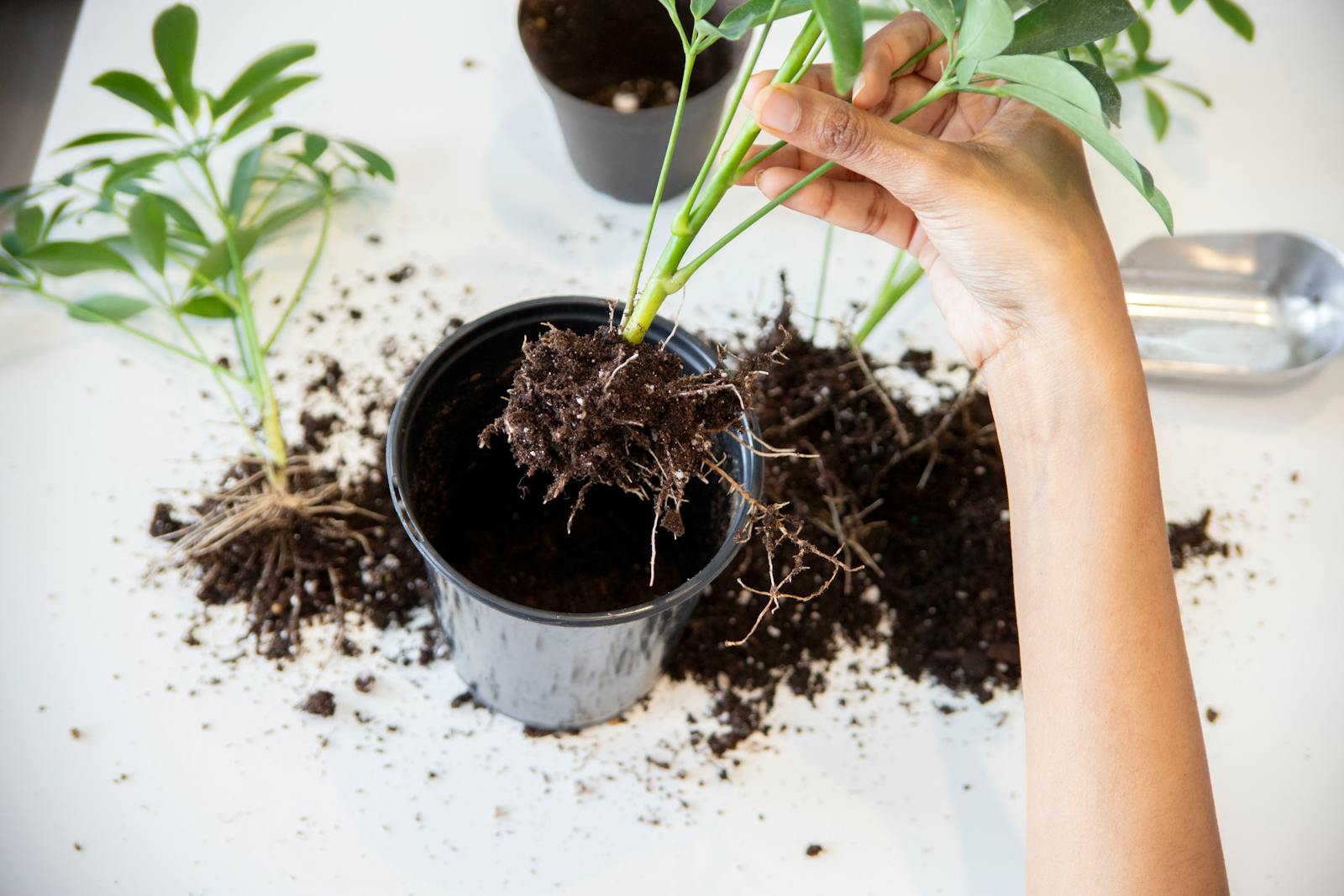
Best for: hidden cover-pot duty inside decorative ceramic pots, vegetable seedlings, plants on sheltered balconies, anyone moving plants around often.
Anúncios
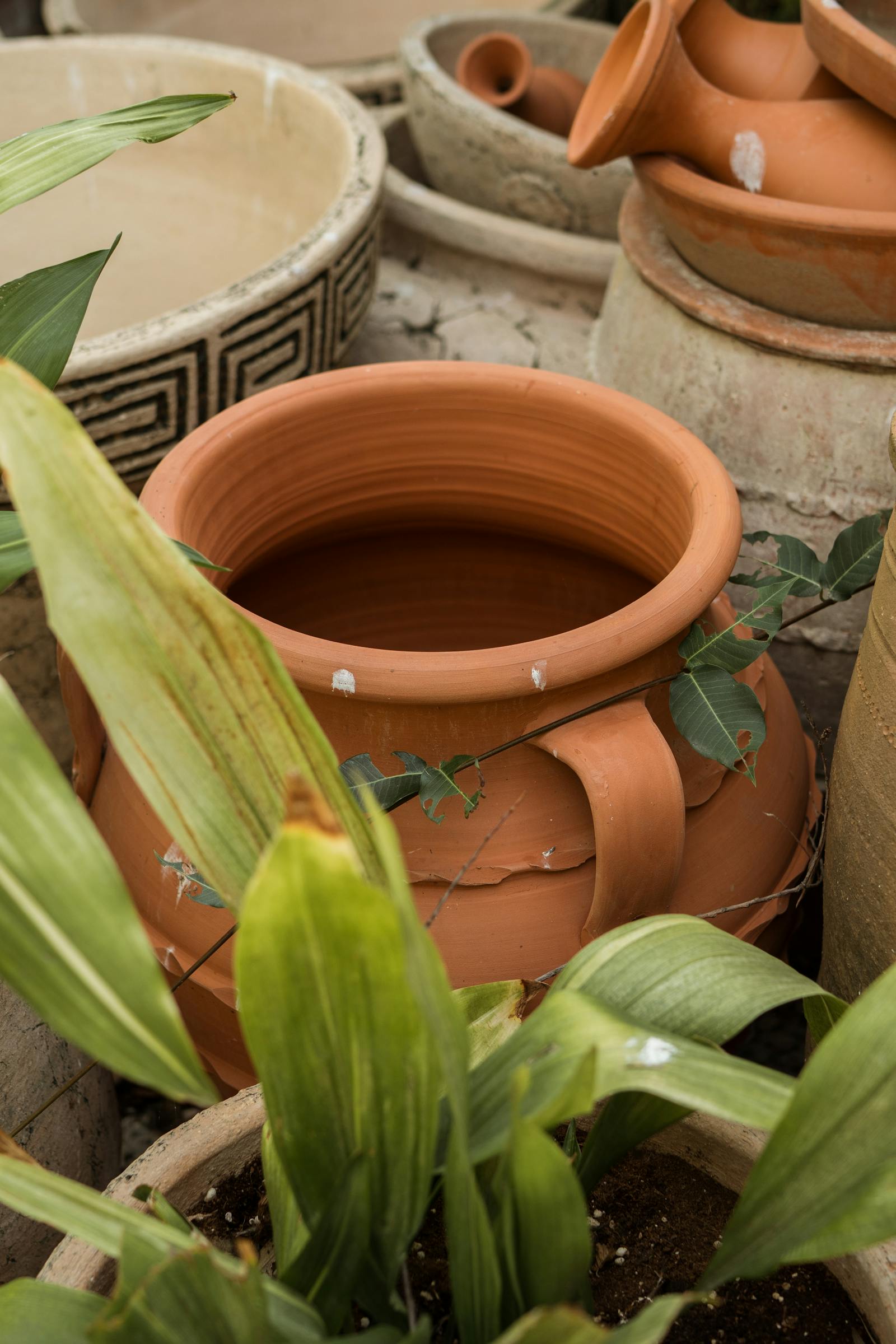
Terracotta (unglazed clay)
Pros: breathes – the clay is porous, so air and moisture move through the walls. Soil dries faster, which is great for plants that hate wet feet. Looks classic and warm. Affordable.
Cons: dries the soil quickly (a problem for thirsty plants and windy/sunny conditions), heavy, breakable, can crack in freezing temperatures, develops a white mineral crust over time.
Best for: Mediterranean herbs, succulents, cacti, snake plants, ZZ plants, any plant that wants to dry out between waterings.
Glazed ceramic
Pros: beautiful, comes in any colour or pattern, holds moisture well (the glaze seals the clay), durable.
Cons: heavier than plastic or terracotta, breakable, expensive, often sold without drainage holes (a huge problem – see below).
Best for: indoor display plants, plants that want consistent moisture (peace lilies, ferns), any room where appearance matters as much as function.
Fabric grow bags
Pros: excellent drainage (air gets in from all sides), air-prune roots (preventing root circling), lightweight, foldable for storage, cheap.
Cons: dry out fast, look distinctly utilitarian, not ideal for indoor display.
Best for: vegetables (tomatoes, peppers, potatoes), outdoor balconies, anyone wanting to maximise root health.
Side-by-side comparison
| Feature | Plastic | Terracotta | Glazed ceramic | Fabric |
|---|---|---|---|---|
| Weight | Light | Heavy | Heaviest | Light |
| Drainage | Good with holes | Good (also breathes) | Good with holes | Excellent |
| Soil drying speed | Slow | Fast | Slow | Fast |
| Cost (10-inch) | $3-10 | $8-20 | $20-50+ | $5-15 |
| Looks (subjective) | Basic | Classic/warm | Premium | Utility |
| Durability | High | Breakable | Breakable | 2-3 years |
| Freeze resistance | Excellent | Poor | Variable | Excellent |
The drainage trap
Important across all pot types: the pot must have drainage holes. A beautiful ceramic pot without drainage is a planter for fake plants, not real ones. Water collects at the bottom, soil stays soggy, roots rot.
If you fall for a no-drainage pot, use it as a cover pot. Plant your plant in a plastic nursery pot with drainage and slip it inside the decorative one. Lift out to water; let it drain in the sink; put back. See our drainage holes guide for details.
Match the pot to the plant
Plants that want to dry out: terracotta
- Snake plant, ZZ plant
- Succulents and cacti
- Rosemary, thyme, lavender, oregano
- Aloe vera, jade plants
Terracotta’s breathability matches what these plants want – dry conditions between waterings.
Plants that want consistent moisture: glazed ceramic or plastic
- Peace lily, calathea, prayer plant
- Ferns
- Lettuce and salad greens
- Basil (paradox – prefers a slightly moist pot in a sunny spot)
The slower drying of glazed pots helps these stay consistently hydrated.
Vegetables in heat: fabric grow bags or larger plastic
- Tomatoes, peppers, eggplant
- Cucumbers, beans
- Potatoes
Fabric bags drain freely and air-prune roots – ideal for plants that grow big and fast. Plastic works too.
Mixed indoor display: glazed ceramic cover pots
Plants in plastic nursery pots, slipped inside matching decorative ceramic pots, give you the look you want with no compromise on drainage. The most flexible setup.
Pot size matters as much as type
A separate but related issue: pot size. A snake plant in a too-big terracotta pot still suffers because the excess soil holds water the roots can’t use. A tomato in a too-small plastic pot dries out by noon. See our pot size guide for the full breakdown.
When to use what (quick reference)
- Brand-new beginner with a houseplant: plastic nursery pot inside a glazed ceramic cover pot.
- Outdoor balcony tomato: 12-inch fabric grow bag or self-watering plastic planter.
- Snake plant or succulent: 6-8 inch terracotta with drainage.
- Bathroom fern: glazed ceramic or plastic for moisture retention.
- Mediterranean herbs on a sunny balcony: terracotta for drainage and breathability.
- Container vegetables in a windy spot: heavier glazed ceramic or weighted plastic for stability.
The bottom line
There’s no universal “best” pot. Terracotta is best for plants that want dry conditions. Plastic and glazed ceramic are best for plants that want consistent moisture. Fabric is best for vegetables and root-health priority. The combo of plastic nursery pots inside decorative ceramic covers gives you the best of two worlds for indoor display.
Don’t overthink it for your first plant. Any pot with a drainage hole, sized roughly to the root ball, will work. As you grow more plants, you’ll naturally start preferring different materials for different species.
For the next layer of container basics, see pot size guide and how to repot a plant.
The cover-pot system (the best of all worlds)
Many experienced indoor gardeners use a two-pot system:
- Plain plastic nursery pot with drainage holes (inner pot).
- Decorative ceramic or glazed pot without drainage (outer pot).
Benefits:
- The plant gets proper drainage from the plastic inner pot.
- The decorative outer pot stays beautiful (and isn’t harmed by soil contact).
- Easy to lift the inner pot out for thorough watering (drain in the sink).
- Easy to swap plants between decorative pots without repotting.
- Stains and mineral deposits stay on the plastic pot, not the decorative one.
This is how high-end retail plant displays usually work. You can copy the technique at home for the same benefits.
Pot weight on balconies
For balconies, pot weight matters more than people realize:
| Pot material (10-inch) | Approximate filled weight |
|---|---|
| Plastic | 10-15 lbs |
| Fabric grow bag | 10-15 lbs |
| Terracotta | 20-30 lbs |
| Glazed ceramic | 30-50 lbs |
| Concrete | 40-80 lbs |
For high-floor balconies with weight limits, plastic and fabric are dramatically lighter alternatives. For windy balconies needing stability, heavier materials win.