Anúncios
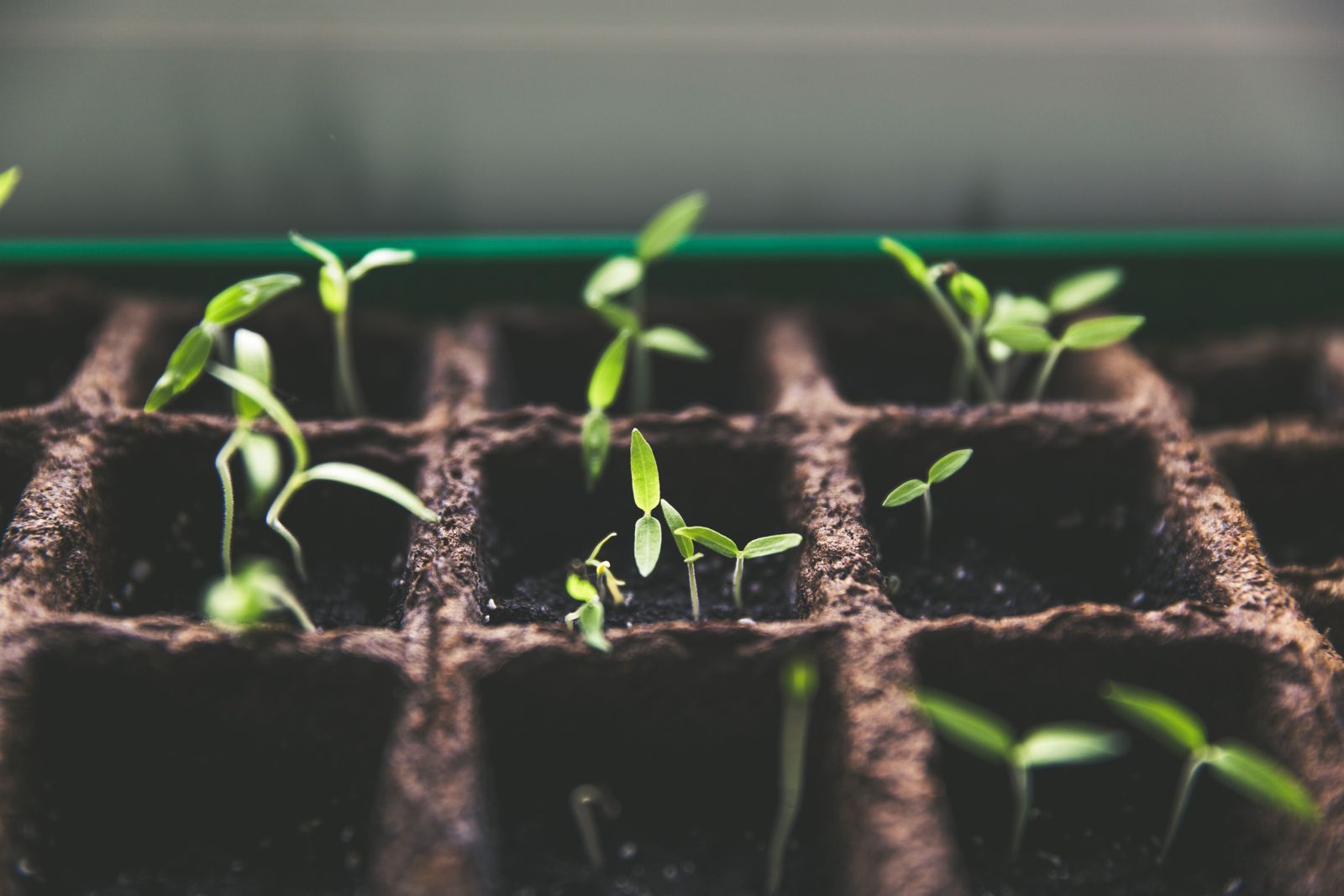
You planted seeds with enthusiasm. They germinated. For about a week, things looked promising. And then, slowly, the seedlings turned into tall, pale, spindly stretches of green – leaning hopefully toward the nearest window like little plant zombies. You wonder what you did wrong.
You probably didn’t do anything wrong exactly. You just didn’t give them enough light, fast enough, close enough. Leggy seedlings are one of the most common beginner experiences, and one of the most fixable – if you catch it early.
Anúncios
What “leggy” actually means
A leggy seedling is one that has stretched upward, growing a long stem with widely-spaced leaves, instead of staying compact and bushy. The plant is reaching toward whatever light source it can find – a process called etiolation.
You’ll usually see:
- A long, thin, often pale stem.
- The first true leaves spaced far apart instead of clustered tight.
- The plant leaning visibly toward the light source.
- The seedling looking generally weak and unable to support itself.
Severely leggy seedlings often can’t be saved – they topple over and break. Mildly leggy ones can be rescued with a few interventions.
Anúncios
The cause is almost always light
About 95% of leggy seedling cases come down to one thing: not enough light, or light from the wrong direction. Specifically:
- The seedlings weren’t moved to bright light fast enough after germination. Many beginners germinate seeds in a warm cupboard or seed-starting tray with a cover, then leave them there for a few days after sprouting. Those days are when stretching begins.
- The window is bright but not bright enough. Indoor windowsill light, even south-facing in summer, is usually weaker than seedlings actually need. They stretch toward what they can get.
- Light source is too far from the seedlings. An LED grow light 18 inches above the tray is too far; 4-6 inches above is right.
- Light only from one side. Seedlings lean dramatically toward a single window. Rotate the tray daily or use overhead light.
Other contributors
A few secondary issues that can compound the problem:
- Too warm. Heat speeds up growth, but if light isn’t keeping pace, you get fast leggy growth instead of fast bushy growth. After germination, slightly cooler temperatures (60-65°F / 16-18°C) help.
- Crowded sowing. Many seeds in a small space compete for light and grow tall to outpace each other.
- Too much nitrogen. Over-fertilized seedlings push fast, weak growth.
How to fix leggy seedlings
Three rescue techniques, from gentlest to most drastic.
1. Move to brighter light immediately
If the seedlings are only mildly leggy, the simplest fix is to relocate. Options:
- The sunniest window you have, preferably south-facing.
- Outdoors in dappled sun for part of the day (only after a few days of gentle acclimation).
- Under a small LED grow light, positioned just 4-6 inches above the seedlings.
Rotate the tray a quarter-turn daily so seedlings don’t lean to one side.
For more on lighting principles, see our guide to plant sunlight needs.
2. Bury the leggy stem when transplanting
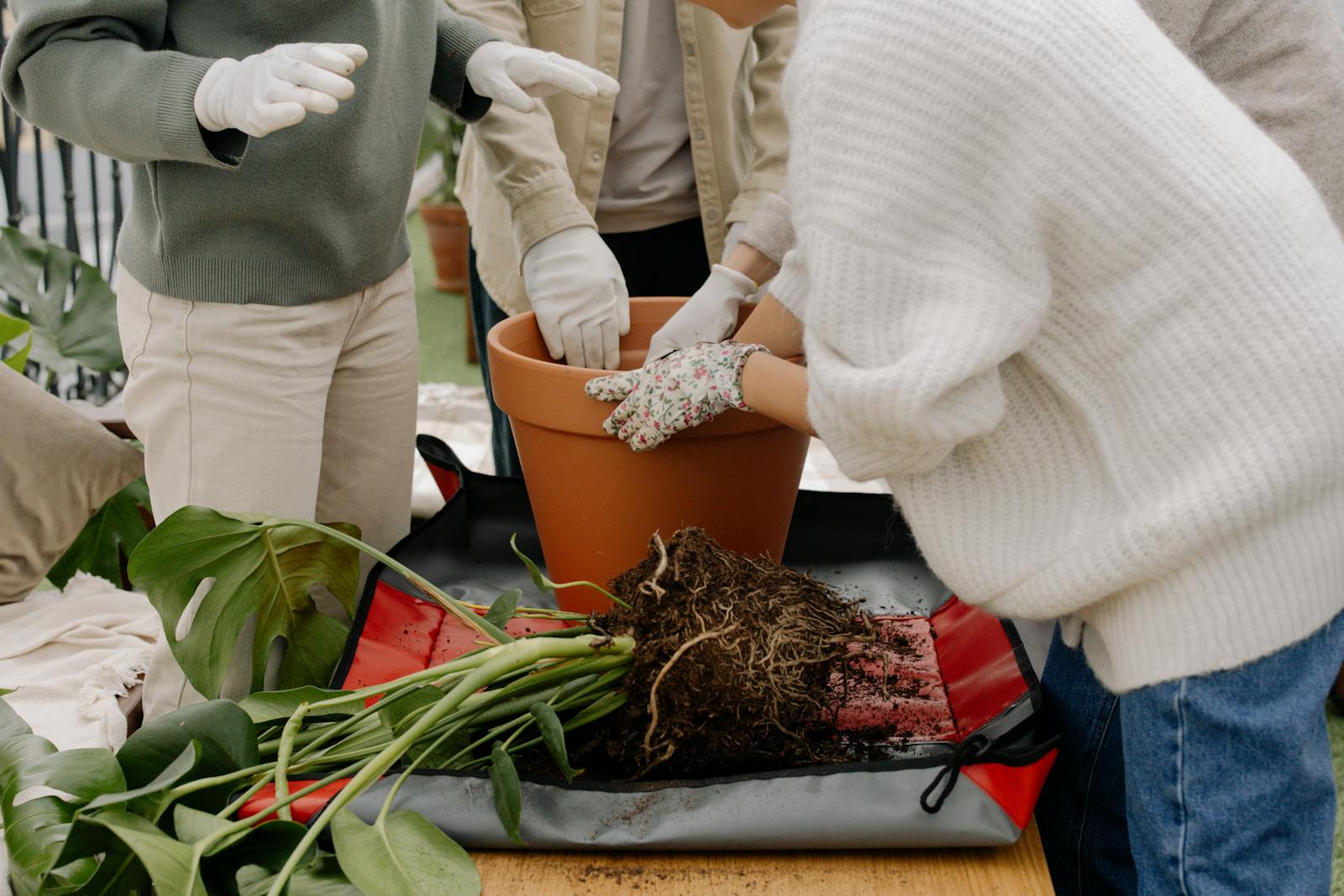
For tomato, pepper, and basil seedlings – and many other plants with leggy stems – you can plant them deeper than they were growing in their original pot. Bury up to the bottom set of leaves. Most of these plants will grow roots from the buried stem, effectively shortening their above-ground height.
This works particularly well for tomatoes, which root readily from any buried stem section. It doesn’t work for peppers or eggplants as well, but is worth trying.
3. Pinch the top (for older seedlings)
Once your seedlings have at least 4-6 leaves, you can pinch off the top growing tip just above a leaf pair. This forces the plant to branch from below the cut and become bushier instead of taller.
This is a standard technique for basil, peppers, and many flowers. It feels counterintuitive (you’re removing growth!) but it leads to a much stronger, bushier plant within 2-3 weeks.
When leggy seedlings can’t be saved
Sometimes it’s better to start over. Signs that the rescue won’t work:
- Stem is 4+ inches tall and pencil-thin.
- Seedling topples over and can’t support itself.
- Stems are pale yellow rather than green.
- No new growth despite a week in better light.
In these cases, snip the lost seedlings and plant a new batch of seeds with the lighting fixes in place. Don’t feel bad – good gardeners restart often, and a fresh batch is usually faster than nursing weak seedlings to maturity.
How to prevent leggy seedlings next time
The full prevention checklist:
- Move seedlings into bright light the day they emerge. Don’t wait. Many cases of legginess begin in the first 48-72 hours after germination.
- Use a grow light if your natural light is marginal. A basic LED bulb in a lamp is enough. Position 4-6 inches above the seedlings.
- Run the grow light 14-16 hours per day on a timer. Seedlings need long days more than they need intense light.
- Cool the seedlings slightly after germination. Drop temperatures to 60-65°F (16-18°C) after sprouting. This slows growth and lets the plant develop more sturdily.
- Don’t sow too thickly. Crowded seedlings stretch to outpace each other.
- Rotate daily. Even bright window light is one-sided. A quarter-turn every day keeps growth even.
- Brush the seedlings gently. Running a hand or piece of cardboard lightly over the tops of seedlings each day mimics wind and triggers stronger, sturdier stem growth. This isn’t folklore – it’s measurable in actual research.
The grow light situation
If you’re starting seeds indoors, especially in winter or in a north-facing apartment, a grow light is not optional. The difference is dramatic:
| Light source | What you usually get |
|---|---|
| South window, summer | Usually adequate; some legginess possible |
| South window, winter | Marginal; expect some legginess |
| North window, any season | Inadequate; seedlings will be leggy |
| Basic LED grow bulb (positioned close) | Adequate for most seedlings |
| Dedicated full-spectrum grow light | Excellent; competitive with greenhouse conditions |
The good news: a cheap LED grow light bulb ($10-25) plus a regular lamp is enough for a small seed-starting setup. You don’t need a fancy rig.
The short version
Leggy seedlings are a light problem, dressed up as a mystery. The fix is faster, closer, more sustained light – either natural or LED. For seedlings already affected, transplanting deeper, pinching, or starting over are your options. For the next batch, get the lighting in place before you sow.
Once you’ve fixed your seedling setup, you’ll find the rest of the early growing season is much easier. For broader troubleshooting, our 15 beginner gardening mistakes guide covers the other classic stumbles. And to set up the light side of things, see how much sunlight do plants need.