Anúncios
Bathrooms have a unique combination of conditions: high humidity, often warm temperatures, variable light, and frequent steam exposure. For most houseplants that’s borderline tropical luxury. For a few specific species, it’s perfect.
What the bathroom offers
- Humidity 50-80%+ during and after showers (vs. 20-40% in typical heated rooms).
- Warm temperatures – bathrooms stay slightly warmer than average rooms.
- Variable light – depends entirely on whether your bathroom has a window.
- Steam and water splashes – some plants love this; others tolerate; pots can take a beating.
The best bathroom plants by light condition
For bathrooms with a sunny window
- Boston fern. Loves humidity, looks lush, prefers bright indirect light.
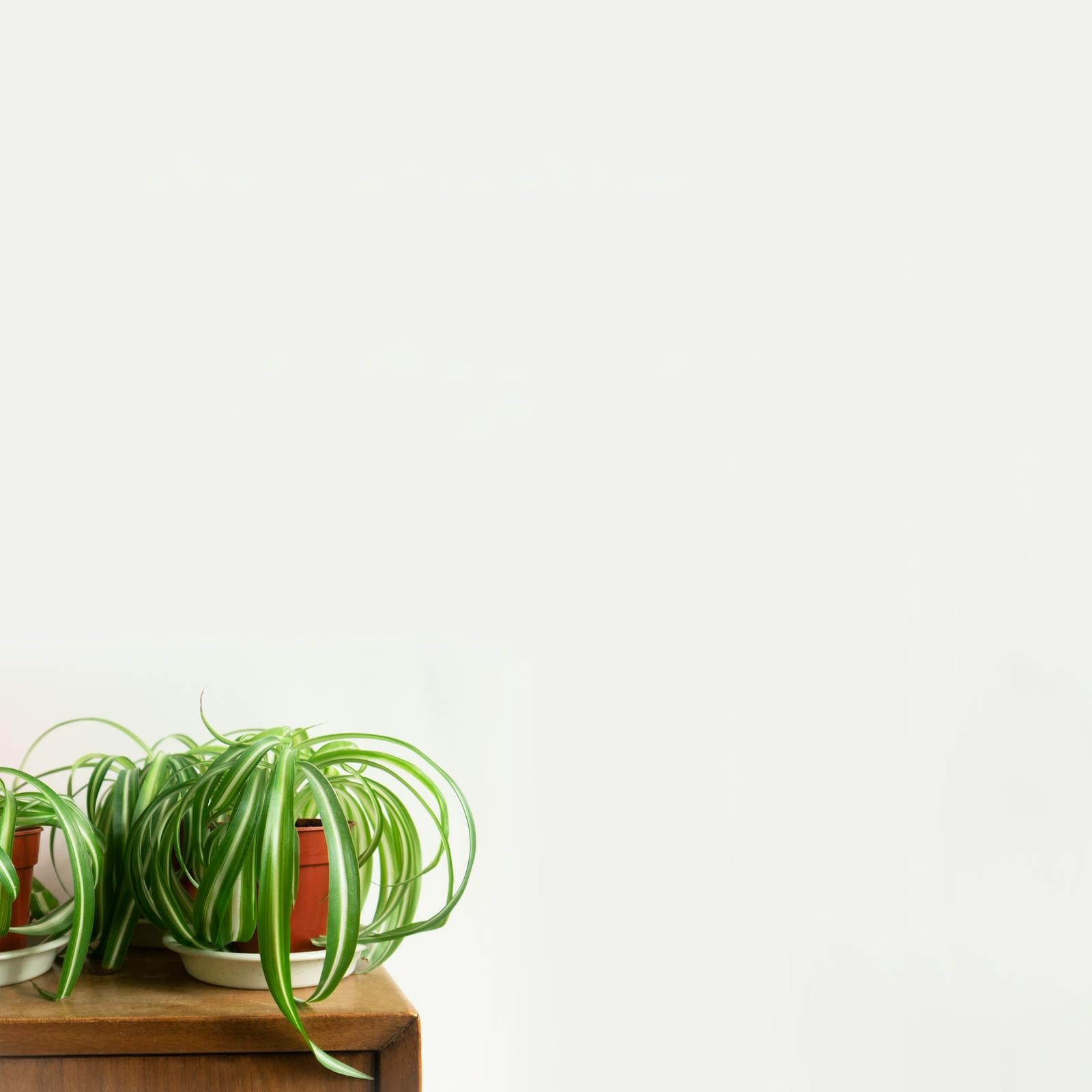
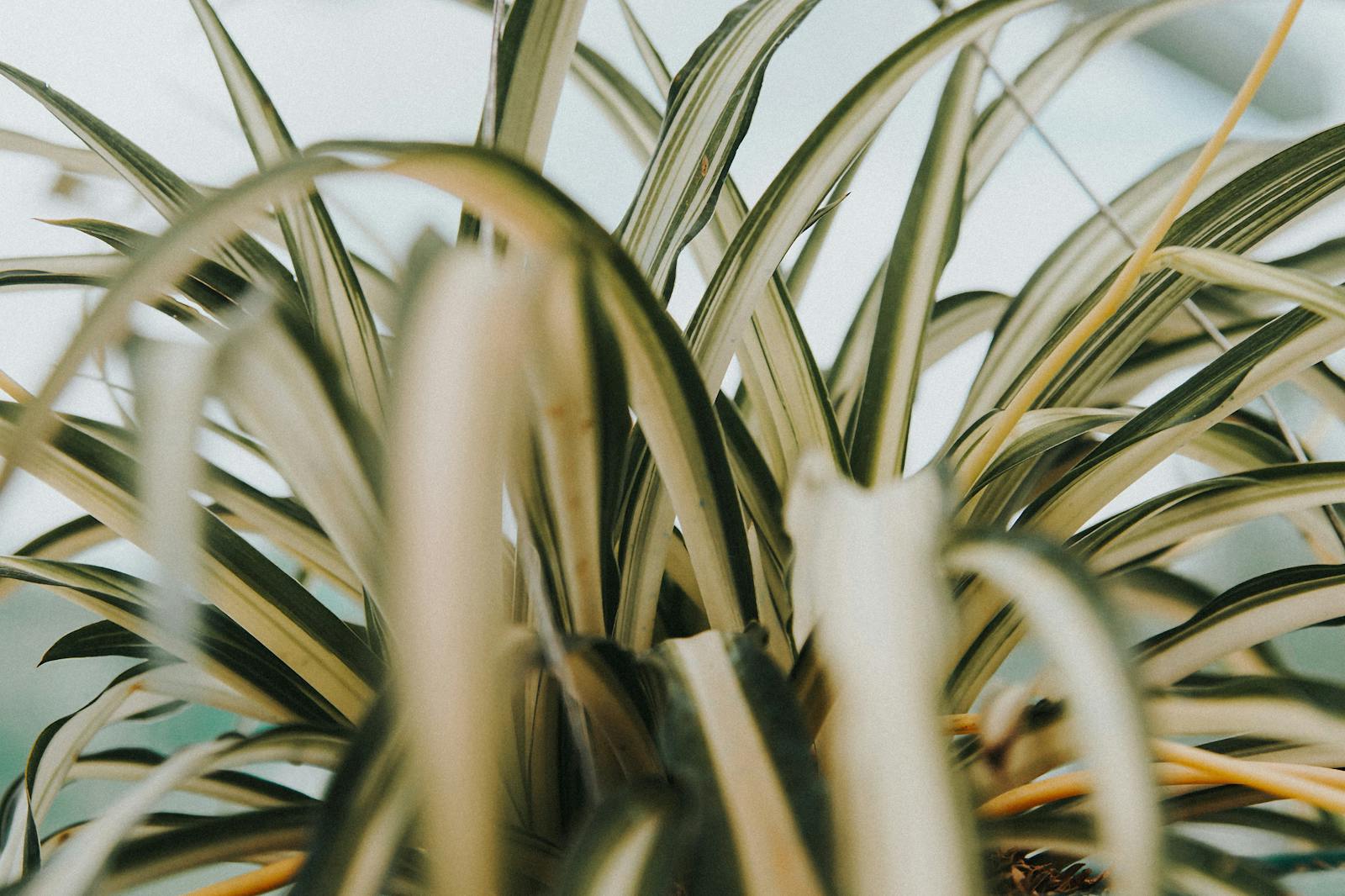
- Spider plant. Tolerates almost anything; thrives in humid bathrooms.
- Bird’s nest fern. Smaller than Boston fern; ruffled glossy fronds.
- Calathea (any variety). Loves humidity, gives you patterned tropical leaves.
- Orchids. Many flower well in bright bathroom humidity.
- Peace lily. Tolerates lower light too; blooms with white spathes.
For bathrooms with limited light
- Pothos. Almost indestructible; doesn’t need a window.
- Snake plant. Tolerates very low light and humid air.
- ZZ plant. Slow but bulletproof.
- Cast iron plant. The ultimate survivor for windowless bathrooms.
- Heart-leaf philodendron. Trails attractively; low-light tolerant.
For windowless bathrooms
Without natural light, no plant truly thrives long-term. Two options:
Anúncios
- Rotate plants – put a houseplant in the bathroom for 1-2 weeks at a time, then return to brighter spots.
- Add a small LED grow bulb on a timer (8-12 hours per day). With supplemental light, pothos and snake plants do fine permanently.
Practical bathroom plant tips
- Watch for soap and shampoo residue. Don’t keep plants directly in the shower spray zone – product splash on leaves can damage them over time.
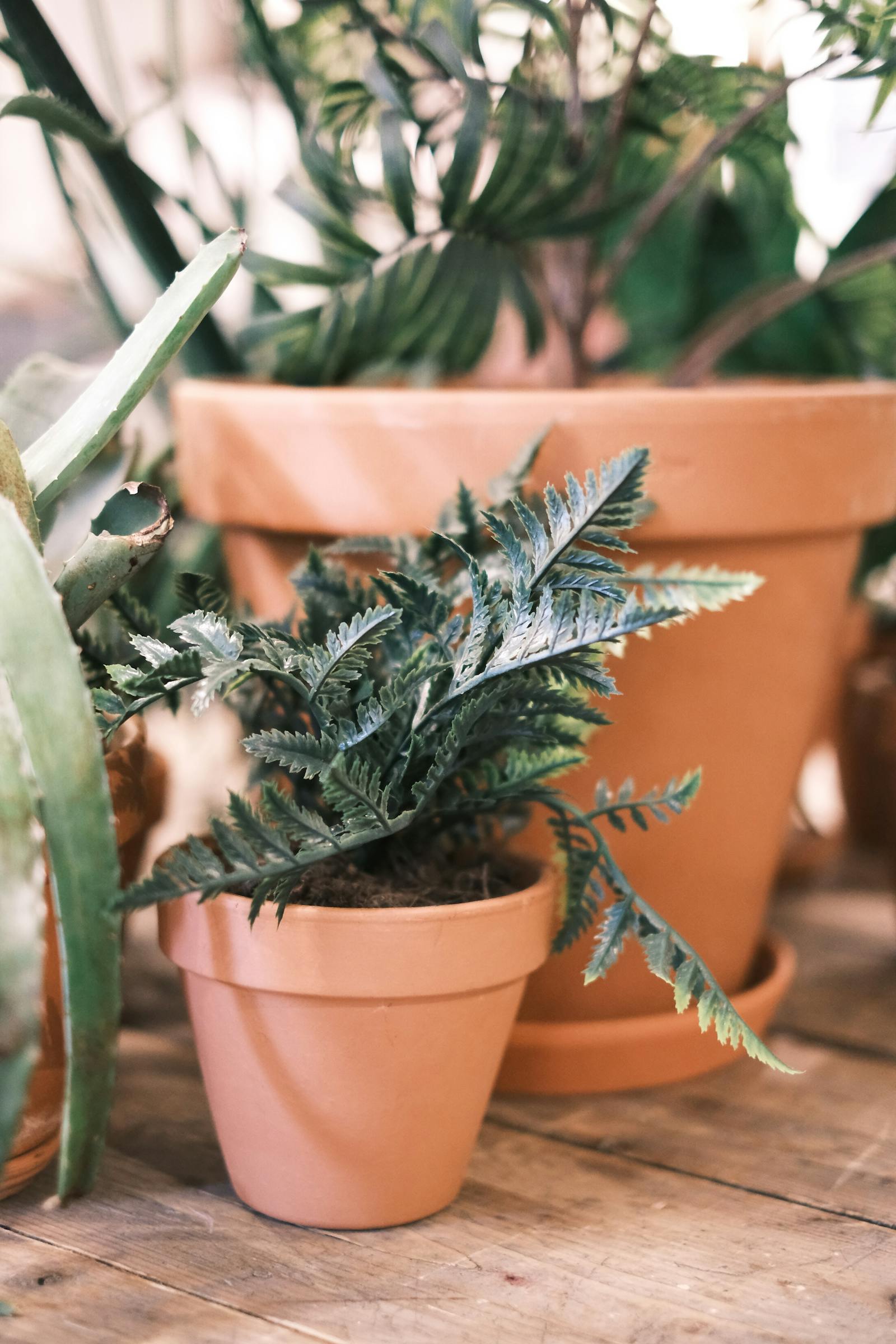
- Choose pots that handle moisture. Plastic or glazed ceramic; terracotta can develop mildew in constantly humid bathrooms.
- Empty saucers regularly. Humid air means soil dries slower; pots in standing water rot faster.
- Wipe leaves periodically. Bathroom dust + steam = streaky residue on leaves. A damp cloth once a month keeps things clean.
Plants to skip in a bathroom
- Succulents and cacti. Hate humidity. Will eventually rot.
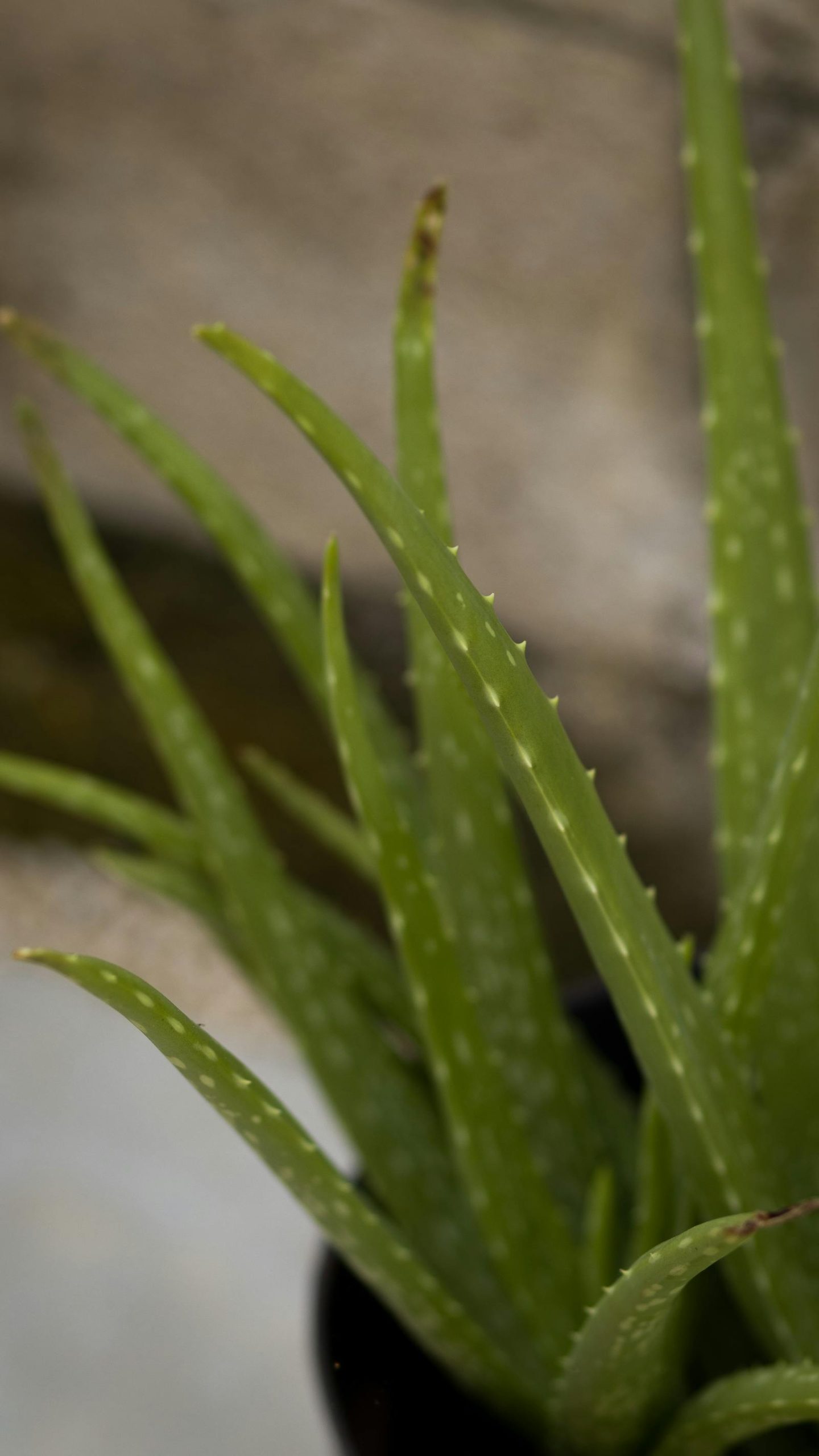
- Aloe vera. Same – wants dry air.
- Lavender, rosemary, other Mediterranean herbs. Adapted to dry conditions.
- Sun-demanding plants. Most bathrooms can’t provide enough light.
The “shower the houseplants” trick
Many gardeners give their other tropical plants an occasional bathroom visit – placing a houseplant in the bathroom during a shower session lets it absorb humidity. After a few sessions, ferns and calatheas look noticeably happier.
This is also a good chance to gently rinse dust off leaves (with lukewarm water, not hot).
Anúncios
Pet-safe bathroom plants
If you have cats or dogs that drink from the toilet or chew leaves, stick to pet-safe options:
- Spider plant
- Boston fern
- Bird’s nest fern
- Calathea
- Parlor palm
Avoid pothos, philodendron, and peace lily for households with curious pets. See pet-safe houseplants for the full list.
The bottom line
Bathrooms are some of the best indoor environments for tropical plants because of the humidity boost. Match the species to your light conditions and you’ll have lush, healthy plants in a room where most people don’t even try to grow anything.
For more low-light indoor options, see best low-light indoor plants.
How long can bathroom plants stay healthy long-term?
Some bathrooms support thriving plants for years. Others stress plants over months even with the right species. The difference comes down to consistent vs intermittent humidity:
- Daily-use bathroom: 2-3 showers a day means humidity spikes and gradual drops. Plants do well long-term.
- Guest bathroom: humidity drops to ambient indoor levels most of the time. Treat as a regular indoor room – the humidity boost is minimal.
- Half bath / powder room: almost no shower humidity. Don’t expect humidity benefits.
Match the plant choice to the actual use pattern. Tropical species need consistent humidity; hardier species like pothos and snake plants tolerate intermittent.
Bathroom plants in dim light
Many bathrooms have minimal natural light – just a small frosted window or no window at all. Plants that work in those conditions:
- Pothos – bulletproof in low light.
- Snake plant – thrives in dim conditions.
- ZZ plant – one of the most low-light tolerant plants.
- Cast iron plant – the dim-corner specialist.
- Lucky bamboo – grows in water with minimal light.
For genuinely dim bathrooms, a small LED grow bulb on a timer transforms what’s possible. A $15-25 bulb running 8 hours daily lets you grow ferns and other humidity-lovers that would otherwise struggle.
Watering bathroom plants
The high humidity in bathrooms changes watering significantly:
- Soil dries 30-50% slower than in regular indoor rooms.
- Plants with humidity-loving foliage (ferns, calatheas) lose less water through transpiration, so they need less.
- Bottom-watering avoids the issue of damp surface soil that would discourage gnats elsewhere becoming a problem here.
Check soil moisture more carefully in bathrooms – the “feels dry on top” rule still applies, but the underlying soil stays moister longer than you’d expect. See how often to water houseplants for room-by-room watering.
Combining plants with bathroom decor
Plants double as decor in a small space. Effective combinations:
- Trailing pothos on a tall shelf above the toilet.
- A small fern on the windowsill in a glazed ceramic pot matching your bathroom palette.
- Tall snake plant in a corner as architectural element.
- Hanging Boston fern from a wall hook.
- Cluster of small succulents on the windowsill (only if you have natural sunlight).
Choose pots that withstand humidity – terracotta can develop mildew in very humid bathrooms over time. Glazed ceramic or plastic in a decorative cover pot performs better long-term.