Anúncios
Trailing plants are the single biggest visual upgrade you can make to an indoor space. They draw the eye, add layered greenery, and turn flat shelves into something interesting to look at. The trick is choosing species that genuinely grow long and lush indoors – not just the few that look promising in a nursery pot.
The shortlist
1. Pothos
The unbeatable choice for beginners. Easy, fast-growing, tolerates anything from low to bright light, vines easily reach 6+ feet trailing off a shelf within a year or two. Comes in many varieties: golden (yellow-green), marble queen (cream and green), neon (chartreuse), ‘N’joy’ (variegated).
Anúncios
See pothos care guide for the full breakdown.
2. Heart-leaf philodendron
Looks nearly identical to pothos but with slightly softer, more matte leaves. Tolerates low light as well as pothos. Often available cheaper. The ‘Brasil’ variety has lime-green stripes that brighten a dim corner.
3. String of pearls
Trailing succulent with pearl-shaped leaves on thin vines. Stunning when long. Demanding: needs bright direct light, very careful watering (rots if overwatered), and good drainage. Not a beginner plant but the look is iconic.
Anúncios
4. String of hearts
Easier than string of pearls. Heart-shaped variegated leaves on delicate vines that can reach several feet. Bright indirect light, water when soil is dry.
5. English ivy
Classic, evergreen, tough. Tolerates cool temperatures and lower light than many trailers. Available in many leaf colours and shapes. Some varieties trail elegantly off shelves; others wrap and climb.
6. Spider plant
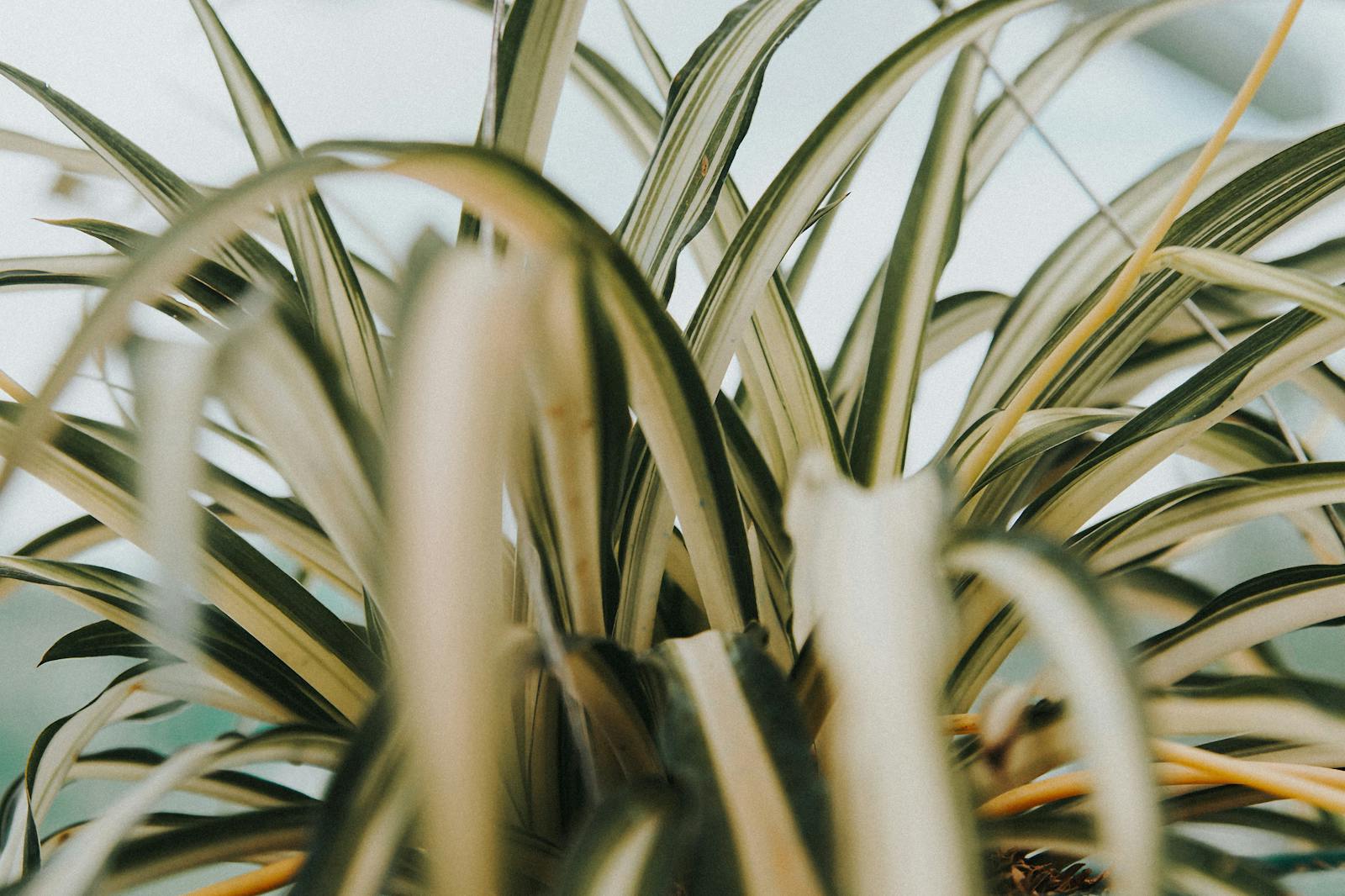
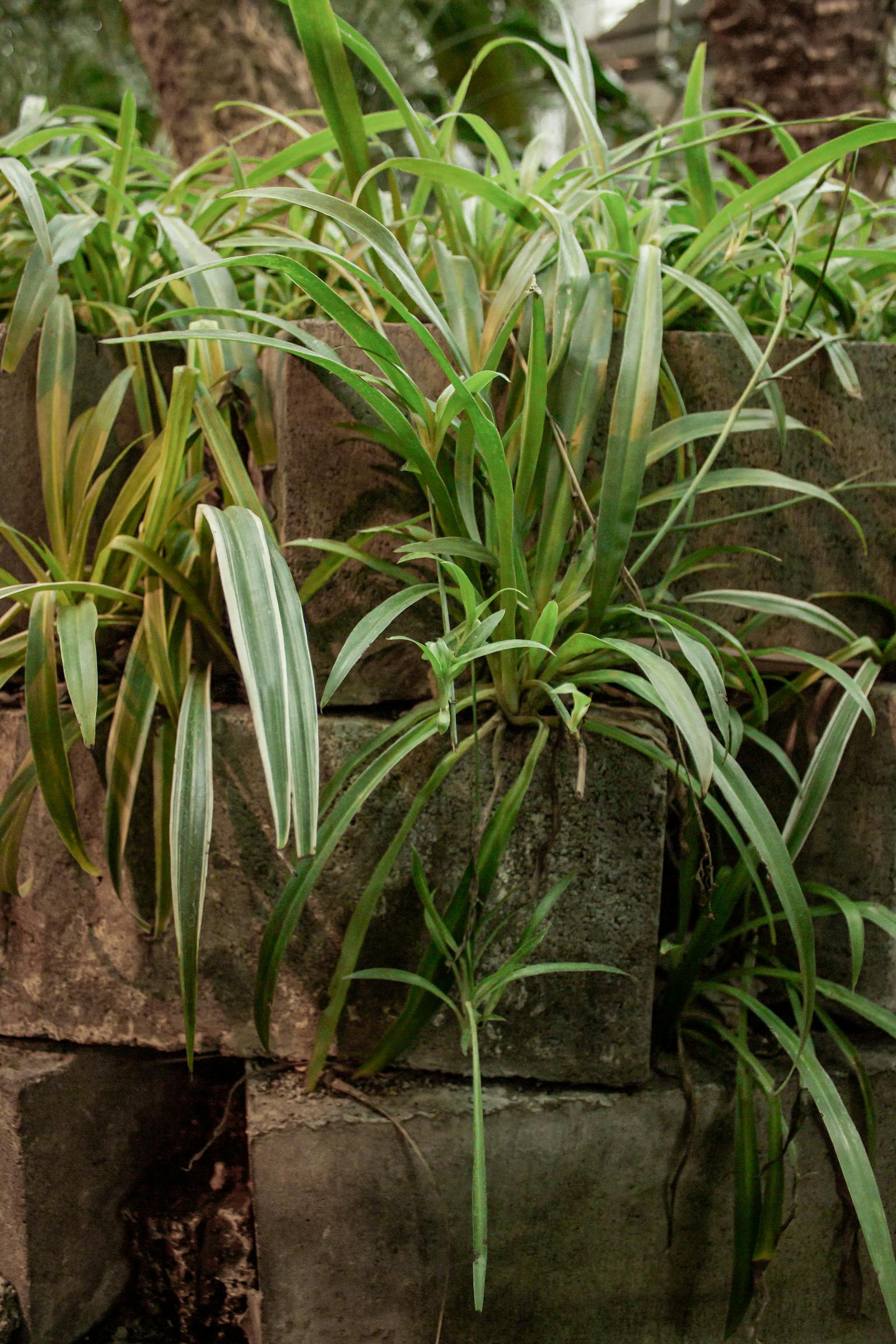
The “babies” hanging from long stems give a layered cascading look. Tolerates low to bright light. Pet-safe. Produces new plants you can root in water – free vertical gardening.
7. Hoya (wax plant)
Slow-growing but rewards patience. Glossy waxy leaves on long vines. Once established (1-2 years), produces clusters of fragrant flowers. Bright indirect light, moderate watering.
8. Tradescantia (wandering Jew)
Purple, silver, or zebra-striped trailing varieties. Grows fast in bright light. Pinch back regularly to keep full. Easy from cuttings.
9. Mistletoe cactus (Rhipsalis)
Looks like a green tropical Medusa-head with thin trailing stems. Tolerates lower light than most succulents. Unique architectural look.
10. Boston fern
Technically arching rather than vining, but the layered fronds create a gorgeous cascading effect off a shelf or hanging basket. Needs humidity and consistent moisture.
How to make them look full
Trailing plants often grow long but sparse – long vines with widely-spaced leaves. To get the lush, full look:
- Pinch growing tips. Every few weeks, snip off the very ends of long stems. The plant responds by branching from below the cut, becoming bushier.
- Bright light. Most trailers get leggy in dim conditions. Move closer to a window.
- Multiple plants per pot. Start with 2-3 small plants in one pot instead of one. The combined growth looks fuller faster.
- Use the cuttings. When you pinch tips, root them in water and add back to the original pot. Free density.
Placement strategies
- Top shelf. Vines trail down naturally. Best for pothos, philodendron, ivy.
- Hanging basket. Maximum trailing length. Best for spider plant, string of hearts, Boston fern.
- Wall-mounted planter. Vertical drama. Best for pothos and philodendron – both handle lower light from being away from the window.
- Above a window. Frames the window with greenery; gets best light. Pothos and ivy love this position.
- Above a desk or workspace. Trails into your line of sight. Use compact varieties to avoid leaves on your keyboard.
Watering trailing plants
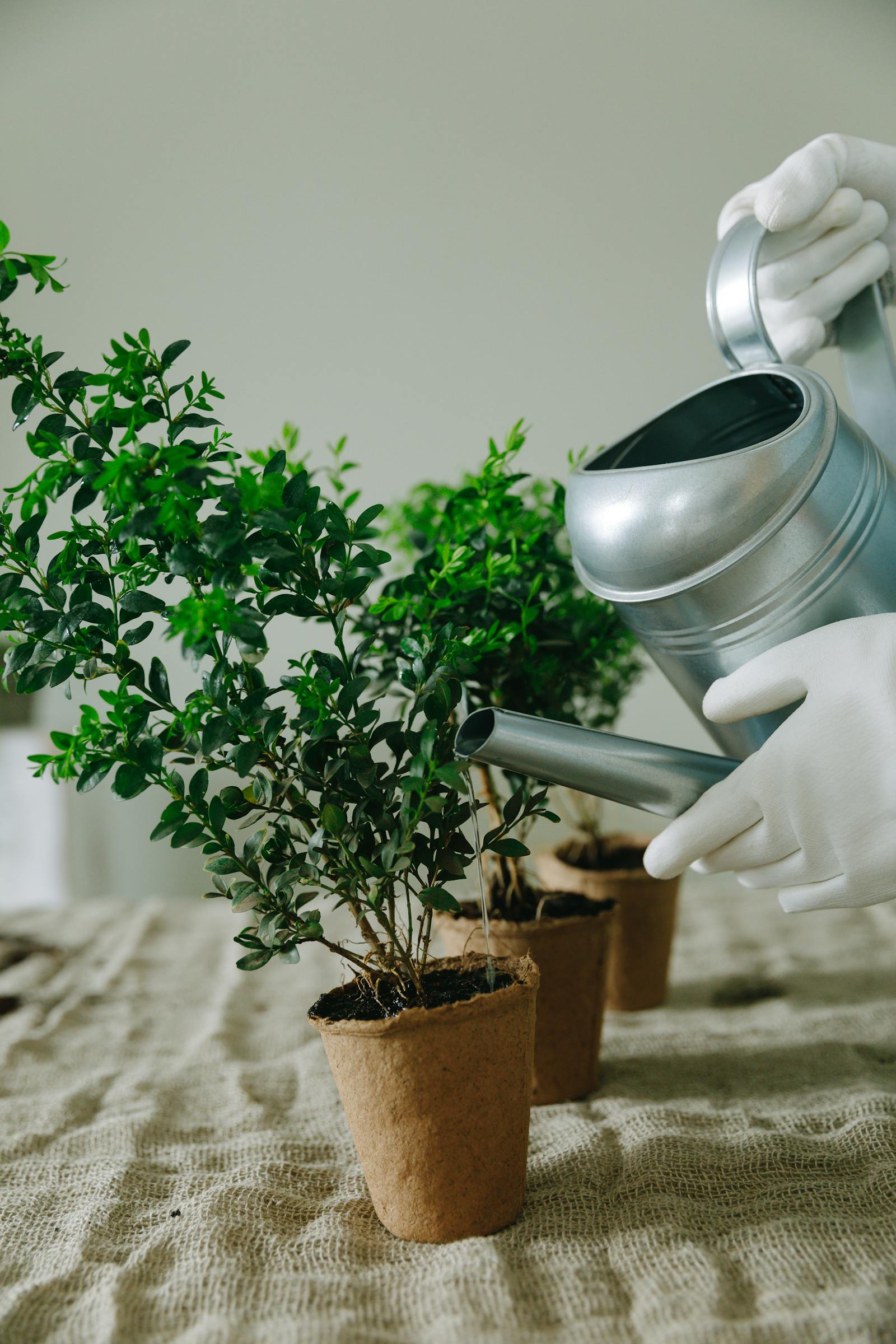
Most trailers want the top inch of soil to dry between waterings. The challenge: hanging baskets are harder to check than shelved pots.
Methods:
- Lift the pot – dry pots are significantly lighter.
- Use a moisture meter on a long handle.
- Bottom-water by lifting the pot off its hanger and soaking in a sink for 20 minutes.
Pet-safe trailing plants
For homes with cats and dogs:
- Spider plant (most popular pet-safe trailer)
- Boston fern
- String of hearts
- Hoya
Avoid: pothos, philodendron, English ivy – all mildly toxic to pets if chewed.
The bottom line
Trailing plants transform indoor spaces in a way upright plants rarely match. Pothos is the easiest starting point – one well-placed plant on a high shelf or hanging basket gives you cascading greenery within months. From there, you can expand to philodendron, spider plant, or more exotic options as your collection grows.
For more options matched to your light, see best low-light indoor plants.
Avoiding the “bare on top” problem
The most common issue with trailing plants is that they grow long but bare at the top – leaves cluster at the trailing ends while the upper section becomes a series of empty stems. Three ways to prevent this:
- Pinch the growing tips regularly. Every few weeks, snip off the very end of each trailing stem. The plant responds by branching from below the cut, eventually creating a fuller appearance.
- Tuck the trailing tips back over the pot edge. Once vines are long enough, gently lift the tip and rest it back on top of the soil. New roots can develop from those nodes, and the plant becomes denser.
- Take cuttings and re-root in the same pot. Snip long sections, root them in water for 2-3 weeks, then plant back in the original pot. Free density.
Hanging plants in renter-friendly homes
You don’t need to drill into walls for trailing plants:
- Tension rods between two walls (no drilling) hold lightweight pots.
- Plant stands with built-in hanging hooks at the top.
- S-hooks over door frames for smaller plants.
- Macramé hangers from existing curtain rod brackets.
- Free-standing tall plant shelves where trailers cascade off the top.
For more renter-friendly approaches, see renter-friendly balcony garden – many principles apply indoors.
The light gradient problem
A trailing plant in a hanging basket near a window has a tricky light situation – the top of the plant gets very different light from the bottom. Common issues:
- Plant grows toward the light, becoming lopsided.
- The side facing the window thrives while the back side stays sparse.
- Lower trailing sections may get more light than the crown if the plant hangs in front of the window.
Fix: rotate the pot a quarter turn weekly. This evens out growth and prevents permanent lopsidedness.
Trailing plants with pets
Many popular trailing plants (pothos, philodendron, English ivy) are mildly toxic to cats and dogs. If you have pets that chew plants:
- Hang plants high enough that pets can’t reach.
- Choose pet-safe alternatives: spider plant, Boston fern, string of hearts.
- Avoid pothos and philodendron at floor level in homes with curious cats.
For the full list of pet-safe options, see best pet-safe houseplants.