Anúncios
A bag of potting mix isn’t cheap. Tossing it out and starting fresh every season multiplies the cost and the environmental waste. The good news: most potting mix can be reused, with a little refreshing.
Here’s how to do it properly.
Anúncios
When to reuse
Reusing works well when:
- The previous plant was healthy at the end of its season.
- The mix hasn’t completely broken down (still has visible perlite and bark pieces).
- You can refresh it with about 30-50% fresh mix.
It usually works for annual flowers, vegetables, and most houseplants that didn’t get diseased.
When to discard
Toss the soil if:
Anúncios
- The previous plant died of root rot or disease.
- You suspect fungal or bacterial infection.
- The mix has visible mold, sour smell, or pest larvae.
- It’s been heavily salted from fertilizer (white crust on surface that doesn’t wash out).
- It’s so broken down that it’s just dense dust with no structure.
The cost of a new bag is far less than another dead plant.
The basic refresh process
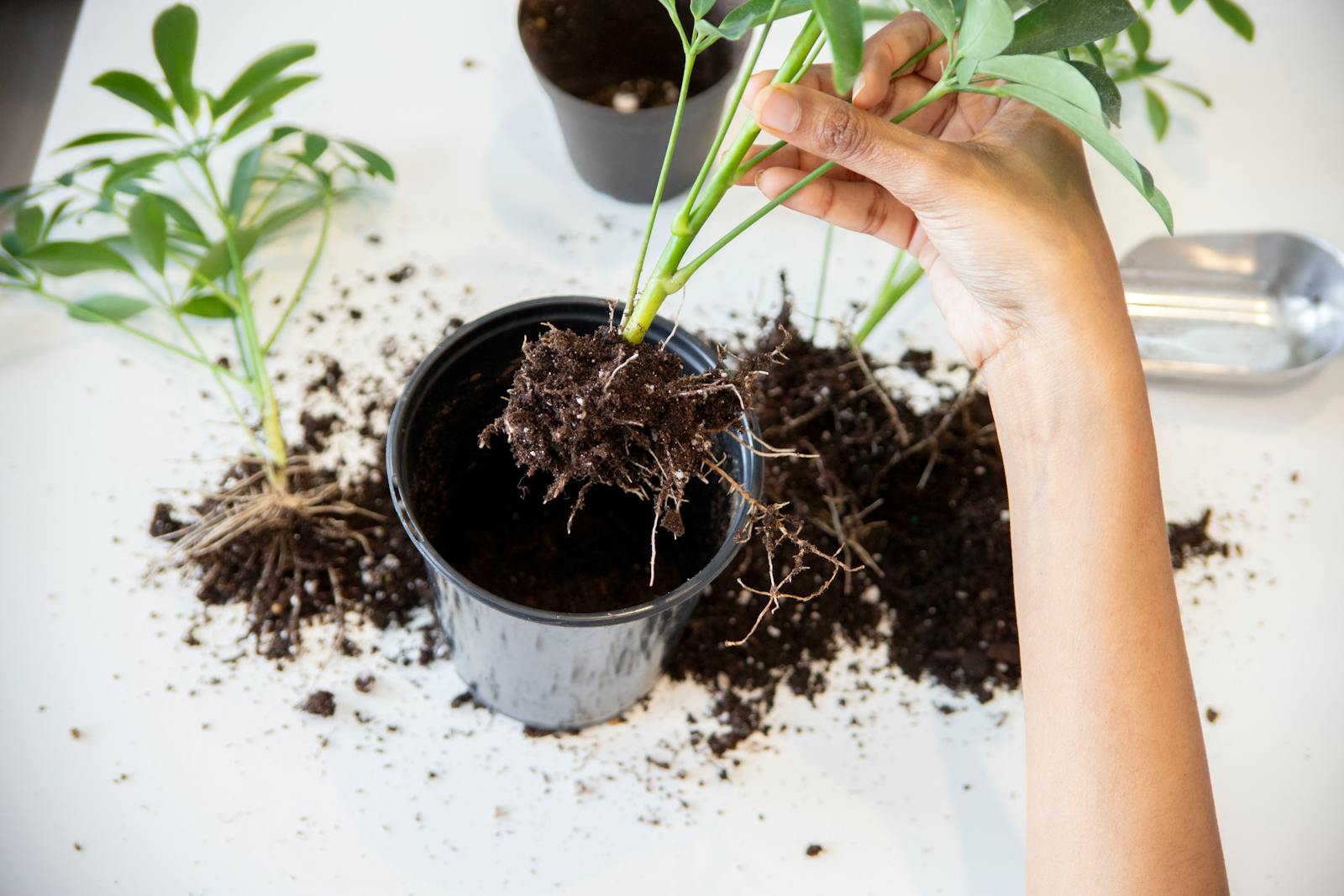
- Dump the soil onto a tarp.
- Remove debris. Old roots, dead leaves, any visible chunks.
- Inspect for pests. Look for larvae, eggs, or anything moving. If you see pests, discard the soil.
- Break up compacted clumps. Crumble large pieces back to loose texture.
- Mix in fresh potting soil. Aim for 50/50 old and new (or at minimum 30% new).
- Add a handful of compost or worm castings. Restores nutrients and microbial life.
The refreshed mix is now ready to use.
Sterilizing soil (optional)
If you want extra safety against soil-borne diseases, you can sterilize:
Oven method
- Spread moist soil on a baking sheet 2-3 inches deep.
- Cover with foil.
- Bake at 200°F (90°C) for 30 minutes.
- Let cool fully before using.
Warning: this smells like wet dirt. Open windows.
Solar method (easier)
- Put moist soil in a black plastic bag.
- Leave in direct summer sun for 4-6 weeks.
- Soil temperatures reach 130-150°F+, killing most pathogens.
This is the easier option for larger amounts.
Most beginner gardeners skip sterilization. Refreshing with fresh mix is usually enough for healthy plants.
Reusing in the same pot
If the plant in a pot is fine and you’re not changing plants:
- Remove the top 1-2 inches of old soil.
- Replace with fresh potting mix.
- Add a small amount of slow-release fertilizer.
- Continue normal care.
This is the easiest refresh – no need to repot.
Storing leftover soil
If you have unused soil from a finished season:
- Move into a sealed container or large bag.
- Store dry and out of weather.
- Keep in a garage, shed, or covered storage.
- Use within 1-2 years.
Soil left in pots over winter often gets soggy, freezes, and breaks down structurally. Empty pots and store soil separately for best preservation.
Improving reused soil
Common amendments to old potting mix:
- Fresh potting mix: 30-50% by volume restores structure and nutrients.
- Compost or worm castings: a handful per pot adds slow-release nutrients and beneficial microbes.
- Perlite: if the old mix is heavy or compacted, a small handful improves drainage.
- Slow-release fertilizer: a small dose of balanced fertilizer evens out depleted nutrients.
Reusing soil for different plant categories
- From annual flowers → vegetables: usually fine. Refresh with new mix and compost.
- From vegetables → vegetables: avoid planting the same family back-to-back (don’t replant tomato soil with peppers, for example – both nightshades share pests).
- From houseplants → other houseplants: usually fine if the previous plant was healthy.
- From diseased plants → anything: discard the soil.
The bottom line
Reusing potting soil saves money, reduces waste, and works well when done properly. Refresh with 30-50% new mix, remove debris, inspect for pests, and add a handful of compost. Discard any soil where the previous plant died from disease. For broader container basics, see potting soil vs garden soil.
What “broken down” potting soil looks like
Old potting mix degrades visually:
- Compacted, dense texture (not loose and fluffy).
- Reduced visibility of perlite white bits.
- Darker, more uniform colour.
- Water runs through without absorbing or pools on top.
- Soil pulls away from the pot edges when dry.
If multiple of these are present, the structure has degraded enough that simple top-up isn’t enough. Either replace entirely or refresh aggressively.
The refresh-vs-replace decision
| Situation | What to do |
|---|---|
| Annual flower pot, season just ended | Refresh with 30-50% fresh mix |
| Vegetable container, mid-season | Top up with 1-2 inches fresh mix; full refresh between crops |
| Healthy houseplant being repotted | Mix old and new 50/50 |
| Plant died of disease | Discard all soil; sterilize pot |
| Soil smells sour or rotten | Discard; replace fully |
| White crusty buildup throughout | Flush with water multiple times, or replace |
| Soil is 3+ years old | Replace or aggressively amend |
Adding compost to reused mix
One of the best amendments to old potting soil is fresh compost – it restores microbial life, adds slow-release nutrients, and improves soil structure. Rough ratios:
- 1 part compost to 3 parts old potting mix for general use.
- 1 part compost to 2 parts old mix for heavy feeders (tomatoes, peppers).
- 1 part compost to 4 parts old mix for plants that prefer less fertile conditions (Mediterranean herbs, succulents).
Compost from your own bin is ideal. Bagged compost (organic if possible) works fine as a substitute.
Storing soil between uses
If you have leftover potting mix or want to save unused soil from finished plantings:
- Sift out any debris and dead roots.
- Allow to dry partially if soggy.
- Store in a sealed container or large bag (keep dry).
- Keep in a garage, shed, or covered storage area.
Stored properly, potting mix is good for years. Stored badly (wet, exposed to weather), it degrades quickly. Resist the urge to leave bags of potting mix outside through winter.
What about reusing soil from a sick plant?
If a plant died from a clear disease (root rot, fungal infection, bacterial issue), discard the soil. Replanting in contaminated soil typically spreads the pathogens to the new plant.
For pots where the plant died of unknown causes (and looked otherwise healthy), the safer choice is also to discard or sterilize. Cooking moist soil at 200°F for 30 minutes kills most pathogens, but it’s often easier to just buy fresh mix.
For more on soil basics, see potting soil vs garden soil.