Anúncios
Gardening looks like it should be intuitive. It isn’t. There are about a dozen small, easy-to-make mistakes that beginners hit again and again, and most of them aren’t mentioned at the garden centre or on the back of the seed packet. They’re the small habits that quietly kill plants you assumed you were taking good care of.
This is the checklist I wish I’d had after killing my first three rounds of plants. Each item is short, specific, and includes the actual fix – not “be careful” but “do this, not that.” Read it before you buy your next plant, or use it as a troubleshooting reference when something looks off.
Anúncios
1. Overwatering

The mistake: Watering on a regular schedule (every day, every other day) regardless of how dry the soil is.
Why it kills plants: Roots in constantly damp soil can’t get oxygen and start to rot. Once rot sets in, the plant droops – and beginners often respond by watering more, which accelerates the damage.
The fix: Always check the soil before watering. Push a finger 1–2 inches into the soil. If it feels damp, walk away. If it feels dry, water deeply. Most houseplants need watering every 5–10 days; some succulents need it once every 2–3 weeks.
Anúncios
2. Pots without drainage holes
The mistake: Buying a beautiful pot that has no hole at the bottom.
Why it kills plants: Water collects in the bottom, soil stays soggy, roots rot.
The fix: Buy pots with drainage holes. If you love a decorative pot without holes, use it as a “cover pot” – keep your real plastic pot inside it, lift it out to water, and let it drain before putting it back.
3. Using garden soil in a container
The mistake: Scooping soil from a backyard, park, or open garden bed and using it to fill a pot.
Why it kills plants: Garden soil compacts in containers, drains poorly, and starves roots of oxygen. It’s also far heavier than potting mix.
The fix: Use bagged potting mix for all containers. Save garden soil for in-ground beds, amended with compost. See our full breakdown of potting soil vs garden soil.
4. Wrong light for the plant
The mistake: Putting a sun-loving plant in a dark corner, or a low-light plant in baking direct sun.
Why it kills plants: Light-starved plants grow leggy, pale, and weak; over-sunned plants get crispy, scorched leaves.
The fix: Before buying any plant, look up its light needs and match them to your actual space. South- or west-facing windows give the most light; north-facing the least. If you only have a dim spot, choose from our low-light indoor plants list.
5. Buying too many plants at once
The mistake: Coming home from the garden centre with twelve plants you’ll struggle to care for properly.
Why it kills plants: You can’t pay close attention to twelve plants. The needier ones get neglected, and you lose more than you would have if you’d started slow.
The fix: Buy three plants. Pay attention to them. When all three are thriving and you’ve figured out their rhythm, add three more.
6. Tall, leggy seedlings
The mistake: Starting seeds and ending up with stretched, pale, floppy seedlings that won’t stand up on their own.
Why it happens: Not enough light. Seedlings stretch toward whatever light source they can find, and if it’s weak or far away, they grow tall and thin instead of compact and strong.
The fix: Get your seedlings under bright light as soon as they germinate. A south-facing window works if it’s sunny; a cheap LED grow light just a few inches above the seedlings is even better. Also: don’t sow seeds too deep – most varieties want a thin covering of soil, not deep burial.
7. Letting basil and herbs flower
The mistake: Watching the basil plant grow tall and produce a pretty flower spike at the top.
Why it kills the harvest: Once herbs flower, they switch from making leaves to making seeds. Leaves turn bitter and stop growing.
The fix: Pinch off all flower buds the second you see them forming. Pinch the top growing tip of basil, mint, and similar herbs every couple of weeks even before they try to flower. This keeps the plant focused on leaves and makes it bushier. The full method is in our how to grow basil guide.
8. Repotting at the wrong time or the wrong size
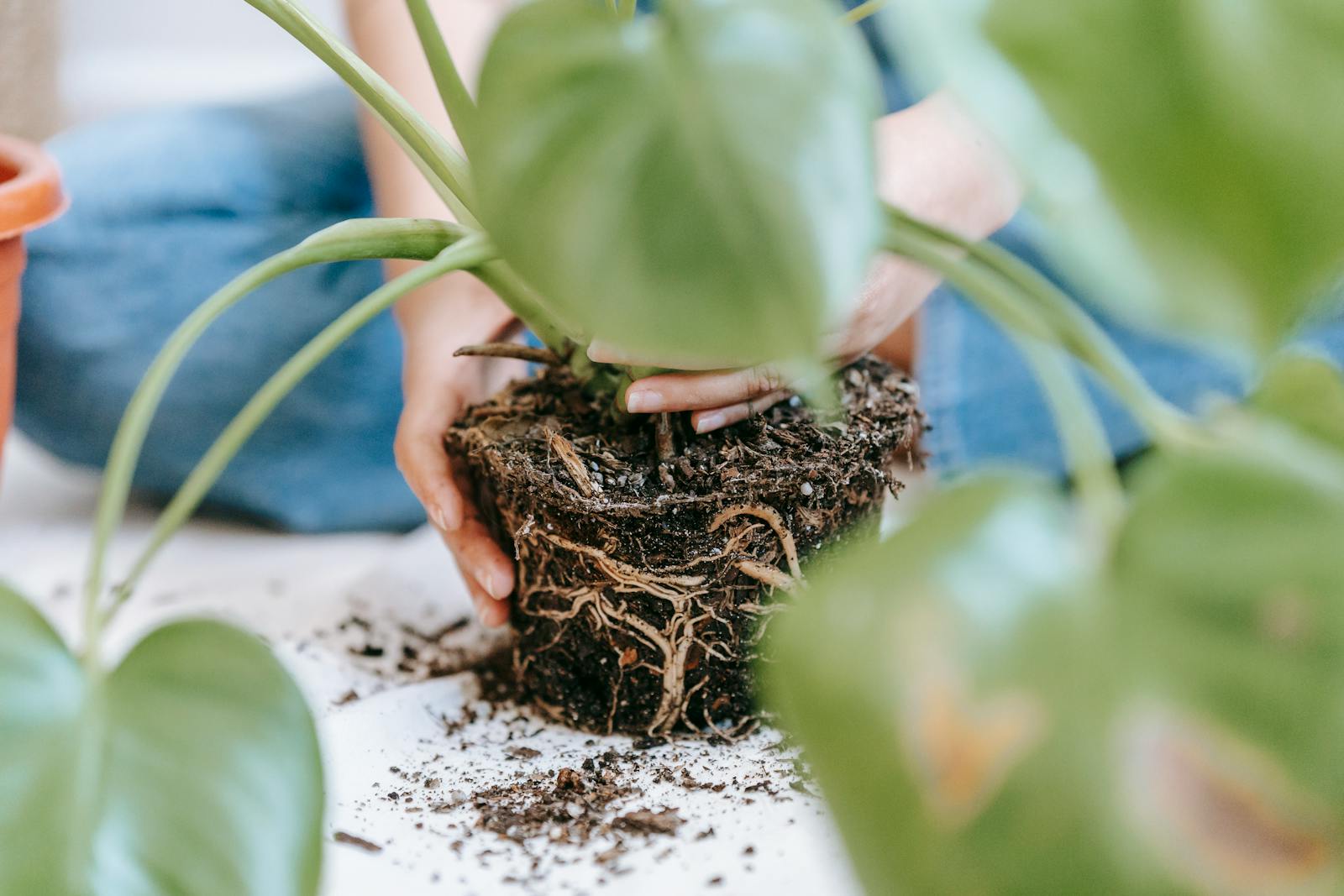
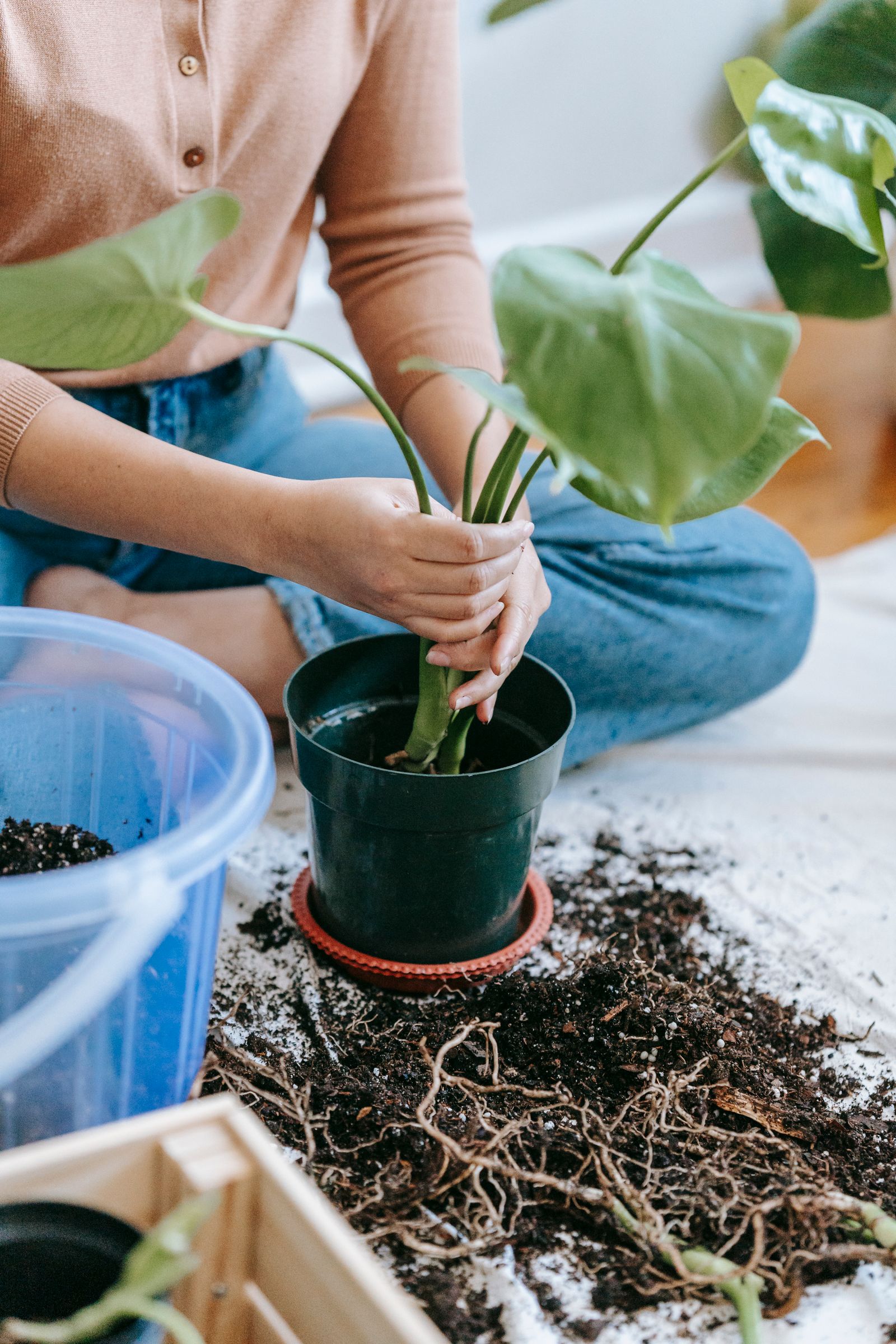
The mistake: Either ignoring a root-bound plant for years, or repotting it into a pot two sizes too big.
Why it matters: A root-bound plant stops growing and dries out fast; a too-big pot holds excess water that the small root ball can’t use, causing rot.
The fix: Repot into a pot one to two inches larger in diameter, not five inches larger. Repot when you see roots circling the bottom of the pot or coming out the drainage holes – usually every 1–2 years for most houseplants.
9. Watering at the wrong time of day
The mistake: Watering in the heat of the afternoon, or watering leaves rather than soil in the evening.
Why it matters: Midday watering loses a lot to evaporation and can shock plants in extreme heat. Evening watering of leaves leaves moisture sitting overnight, which encourages mildew and fungal diseases.
The fix: Water in the early morning when possible. Aim at the soil, not the leaves. If you must water in the evening, water just the soil.
10. Yellowing leaves on a houseplant
The pattern to read:
| What you see | Likely cause |
|---|---|
| Lower leaves yellow and drop | Overwatering (most common) |
| Crispy yellow leaves with dry soil | Underwatering |
| Yellowing with brown leaf tips | Too much direct sun or salt buildup |
| Yellow leaves with pale veins | Nutrient deficiency (rare for new plants) |
The fix: Match the symptoms to the likely cause and adjust the corresponding habit. Most yellowing comes back to watering.
11. Killing plants with fertilizer
The mistake: Adding fertilizer because the plant looks sad, or fertilizing at the recommended dose without tapering.
Why it kills plants: Too much fertilizer burns roots. A plant that’s already stressed (from too little light, too much water, etc.) doesn’t need more fertilizer – it needs the root cause fixed.
The fix: Use fertilizer at half the recommended strength for houseplants. Only fertilize when the plant is actively growing (spring/summer for most). Never fertilize a plant that’s already struggling – fix the underlying issue first.
12. Fungus gnats from constantly-wet soil
The mistake: Tiny black flies hovering around houseplants.
Why it happens: Fungus gnats lay eggs in the top inch of damp soil. If the soil never dries out, they breed continuously.
The fix: Let the top inch of soil dry out fully between waterings – fungus gnats can’t lay eggs in dry soil. For an active infestation: yellow sticky traps catch flying adults, and a sprinkle of cinnamon or a top layer of small pebbles on the soil suppresses egg-laying.
13. Ignoring your hardiness zone
The mistake: Buying outdoor plants without checking whether they survive your local winters.
Why it kills plants: A plant labelled “hardy” might be hardy in one climate and dead by January in another.
The fix: Look up your USDA hardiness zone (or the equivalent in your country) and only buy outdoor perennials labelled hardy to that zone or colder. Annuals, by contrast, are expected to die at the end of the season – that’s normal.
14. Not checking the back of the seed packet
The mistake: Buying seeds and sowing them whenever it feels right.
Why it matters: The back of every seed packet has the actual instructions – when to sow, how deep, how far apart, days to germinate, days to harvest. Almost all of it is more specific than the advice you’ll find by Googling.
The fix: Read the entire back of the packet before you do anything. It’s the single best free gardening reference you have, and it’s written specifically for that variety.
15. Giving up too soon
The mistake: Throwing out a plant that looks half-dead, assuming it’s gone.
Why it matters: Many plants that look terminal aren’t. A houseplant with no leaves can have living roots underneath, ready to push out new growth in spring. A wilted basil revives within hours of a deep watering. A succulent that’s lost all its lower leaves often grows back from the top.
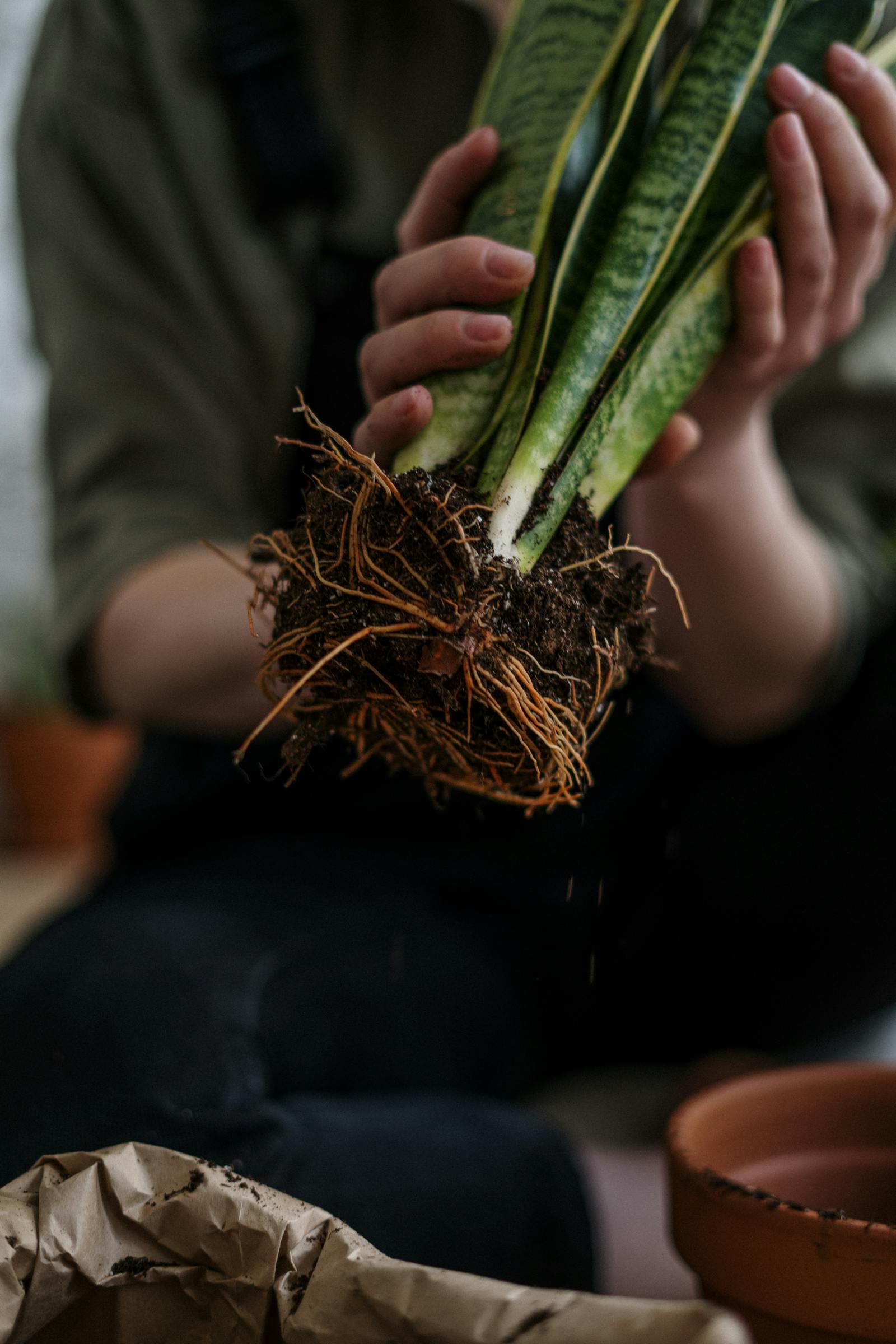
The fix: Before tossing a plant, check the roots. If they’re still firm and white-ish, the plant might come back. Trim off dead growth, repot in fresh soil if needed, place in good light, and wait. Plants are slower than we are. Give them weeks before giving up.
How to use this list
Don’t read this list once and forget it. Bookmark it. When something looks off with a plant, work down the list and ask: which of these am I doing? Most of the time, the answer is one of the first three – overwatering, no drainage, or wrong light.
Two-thirds of beginner plant problems trace back to those three mistakes. Fix them and you’ll suddenly start having the kind of luck that experienced gardeners pretend is skill.
Where to go next
If you’re at the beginning of this journey, the rest of the site is set up to follow the natural learning curve:
- For your first few plants, start with our 7 easiest plants for absolute beginners.
- For indoor plants in dim apartments, see best low-light indoor plants.
- For a balcony setup, our balcony garden guide covers everything from sun direction to wind.
- For soil and pots, the potting soil vs garden soil guide is essential.
- For a single herb to start with, the how to grow basil guide walks through the most common starter herb in detail.
Gardening is genuinely doable for everyone – it just takes a couple of seasons of learning what these fifteen things mean by experiencing them. Don’t be discouraged by the early plant deaths. Every gardener has them. The ones who keep going just stopped doing the things on this list, one by one.
See also: diagnosing why leaves curl.