Anúncios
Leaves don’t curl randomly. The plant is protecting itself from one of a few specific stressors. The curl pattern itself often tells you which one.
Read the pattern
| Curl type | Most likely cause |
|---|---|
| Curling inward / upward (cupping up) | Heat or light stress |
| Curling downward / wilting | Underwatering or root issue |
| Curling and stunted / distorted | Pest damage (especially aphids) |
| Curling with mottling or yellowing | Disease or nutrient deficiency |
| New leaves curl, old leaves normal | Pest, herbicide drift, or nutrient issue |
1. Heat or light stress
Leaves curl up and inward to reduce surface area when temperatures are extreme or sun is too intense. Common on outdoor plants in heatwaves or houseplants moved into direct sun suddenly.
Anúncios
Fix: move to shadier location during peak heat. For indoor plants, move back a few feet from a south-facing window. Water consistently to support the plant through heat stress.
2. Underwatering or root damage
Leaves curl downward and droop. The plant can’t access enough water to maintain leaf turgor. Check the soil and roots.
If soil is dry: water thoroughly. Most plants recover within hours.
Anúncios
If soil is wet but plant is still curling: root rot from overwatering. The plant can’t absorb water even though it’s there. See how to revive a dying plant.
3. Pest infestation (especially aphids)
Aphids cluster on new growth and feed on plant sap. The damaged leaves curl, stunt, and distort. Common in spring on tender new growth – tomato seedlings are a classic target.
Identification: look closely at curled leaves. Tiny green, black, or white insects on the undersides and along stem joints confirms aphids.
Fix:
- Spray off with a strong stream of water (knocks aphids off).
- Insecticidal soap or neem oil for severe infestations.
- Encourage natural predators (ladybugs, lacewings) for outdoor plants.
4. Viral disease
Some viral diseases cause leaves to curl, mottle, and distort. Plants don’t recover from viral infections – the affected plant should be removed and discarded (not composted – this can spread the virus).
Common viral diseases that cause curling: tomato mosaic virus, cucumber mosaic virus, leaf curl viruses.
Prevention: control insect vectors (aphids, whiteflies), wash hands between plants if you smoke (tobacco mosaic virus), buy disease-resistant varieties.
5. Nutrient deficiency or excess
Calcium deficiency causes new leaves to curl and distort. Excess nitrogen sometimes causes leaf curl on certain plants.
Fix: for calcium deficiency, water more consistently (uneven watering blocks calcium uptake) and use a balanced fertilizer. For nitrogen excess, reduce or stop fertilizing.
Plant-specific notes
| Plant | Common curl cause |
|---|---|
| Tomato | Heat stress (curls upward), or virus (twisted/distorted) |
| Pepper | Heat stress or aphids |
| Cucumber | Underwatering or viral disease |
| Basil | Heat stress, sun scorch |
| Lettuce | Heat / pre-bolting |
| Calathea | Low humidity or tap water issues |
| Peace lily | Too much direct sun |
| Spider plant | Tap water minerals |
The diagnostic sequence
When you see curling leaves:
- Check soil moisture (rules in/out water stress).
- Note temperature and recent weather (rules in/out heat).
- Flip leaves to check undersides for pests.
- Look for patterns – is it new growth only, or scattered?
- Check recent changes – move, repot, new fertilizer, etc.
One of these usually identifies the cause within 5 minutes.
The bottom line
Curling leaves are diagnostic, not random. Read the curl type, check the obvious factors (water, heat, pests), and apply the matching fix. Most causes are easily reversible if caught early.
For more troubleshooting, see 15 beginner gardening mistakes and houseplant yellow leaves.
The seasonal context of leaf curling
Curling can be normal at certain times of year and concerning at others:
- Spring: new growth often emerges slightly curled and unfurls over days. Normal.
- Summer heat: outdoor plant leaves curl as a heat protection response. Often recovers in evening.
- Late summer: sudden curling can signal pest pressure peaking.
- Fall: some plants curl as part of their dormancy preparation.
- Winter: indoor plants curl from dry air or cold drafts.
The same curling pattern at different times of year can have different causes. Read the season as part of your diagnosis.
The aphid inspection technique
Aphid damage is one of the most common causes of leaf curling, and aphids hide on undersides:
- Look at the underside of a curled leaf in good light.
- Look for tiny green, black, or white insects clustered at the leaf veins or along the stem.
- Also check for “honeydew” – a sticky shiny residue from aphid feeding.
- And look for ants – they farm aphids for honeydew, so ant trails indicate aphids.
If you find aphids, the leaves probably won’t uncurl – that damage is permanent. But controlling the aphids prevents future damage and the plant produces healthy new growth.
Viral disease recognition
If leaves are not just curling but distorted, mottled, and stunted – especially on new growth – viral disease may be at play. Indicators:
- Mottled yellow and green pattern on leaves.
- Twisted, distorted leaf shapes (not just curled).
- Stunted growth.
- Multiple plants of the same type affected.
- Damage spreads to new leaves continuously.
Plants don’t recover from viruses. Remove and dispose of infected plants (not in compost – viruses survive). Sterilize tools that touched infected plants.
Tomato leaf curl specifically
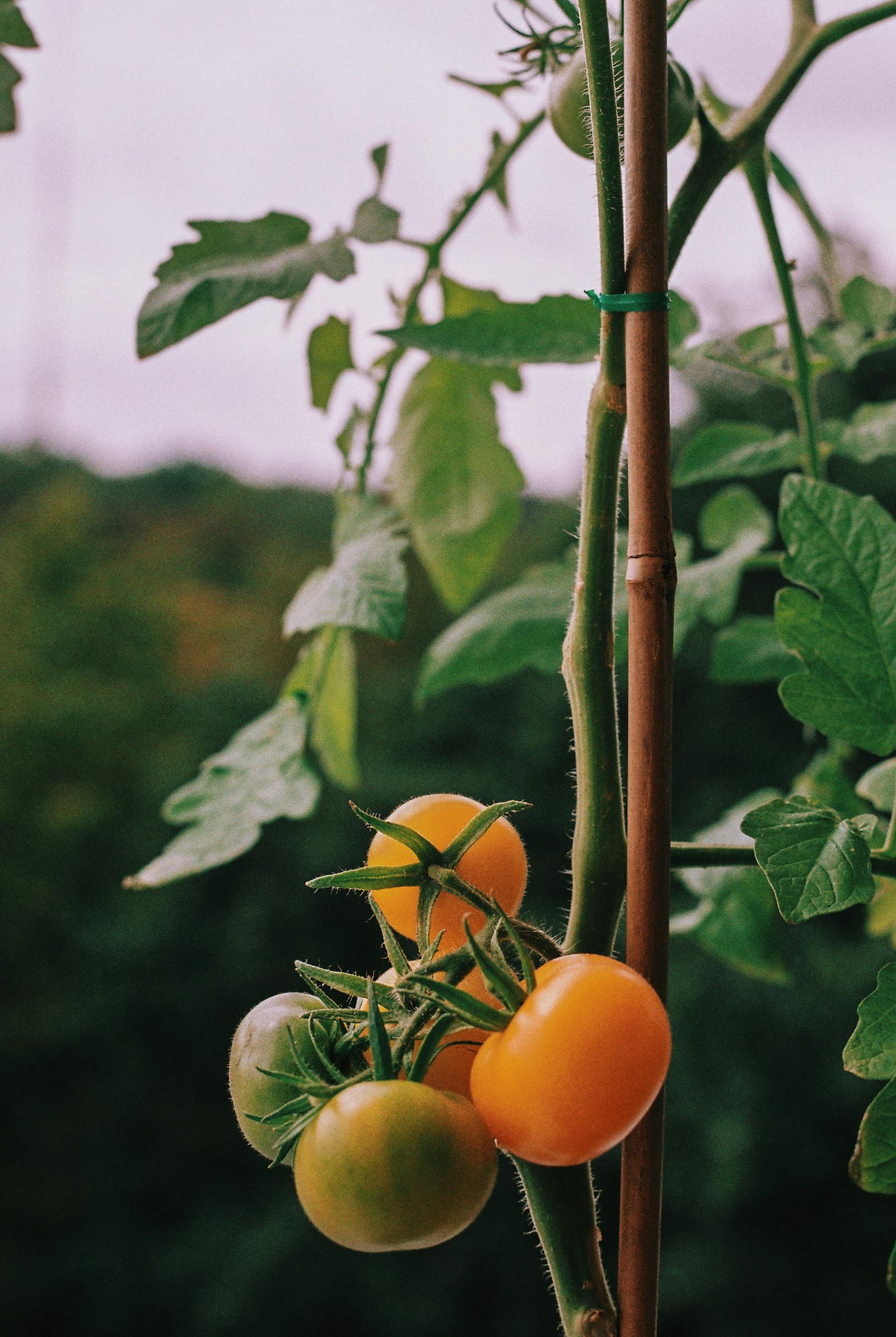
Tomato leaves curling is so common it deserves its own treatment. Most causes are benign:
| Type of curl | Likely cause |
|---|---|
| Upper leaves curl up | Heat stress; normal in hot weather |
| Lower leaves curl down | Often overwatering; check soil |
| Severely twisted distorted new growth | Possible herbicide drift or viral disease |
| Curl + visible aphids | Aphid damage |
| Curl during peak heat, recovery at night | Normal heat response |
For most tomato curl situations, no action is needed – it’s the plant protecting itself from heat. Severe distortion is the only urgent case.
Recovery and trimming
Curled damaged leaves don’t uncurl. Decisions about trimming:
- Keep partially affected leaves – they still photosynthesize.
- Trim severely curled or distorted leaves at the base.
- Don’t strip more than 1/3 of foliage at once – shock to the plant.
- Focus on fixing the underlying cause; new growth comes in healthy.