Anúncios
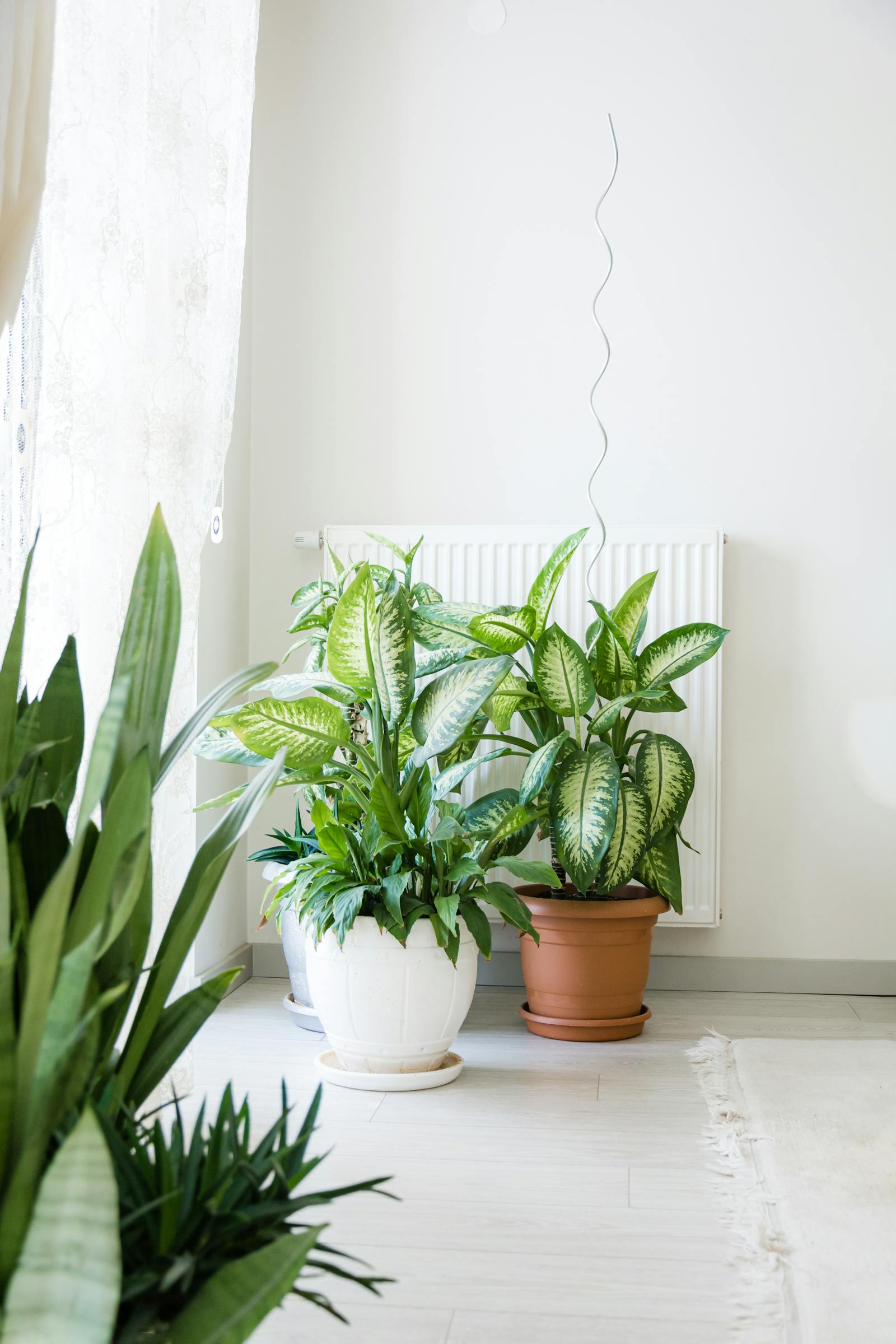
If you have a cat that chews leaves or a dog with a taste for greenery, the plant world gets smaller. A surprising number of beginner-friendly houseplants – pothos, peace lily, snake plant, philodendron – are toxic to cats and dogs. Not usually fatally so, but enough to cause vomiting, drooling, and an expensive vet trip.
Here’s the curated list of plants that are genuinely safe even when a pet decides to taste them, with the popular pet-unsafe plants noted clearly so you know what to avoid.
Anúncios
How toxic is “toxic”?
Most “toxic” houseplants are mildly so. Cats or dogs that chew them typically experience:
- Mouth irritation and drooling
- Vomiting or upset stomach
- Lethargy for a day
Severe reactions are uncommon for most common houseplants, but they happen. A few species (sago palm, lilies for cats specifically) can be genuinely dangerous. The ASPCA maintains a thorough toxicity database if you want to check specific plants.
This guide focuses on plants known to be safe rather than borderline. If your pet eats a plant and shows any concerning symptoms, contact a vet or pet poison helpline immediately.
Anúncios
The pet-safe shortlist
1. Spider plant
Top pick for almost any pet-owning beginner. Spider plants are completely non-toxic to cats and dogs, easy to grow, tolerate a range of light, and produce baby plants you can propagate. Cats are sometimes attracted to spider plant leaves (a mild psychoactive effect similar to catnip), but it’s harmless.
2. Boston fern
Lush, draping, completely pet-safe. Boston ferns need humidity and consistent moisture, so they’re slightly trickier than spider plants, but their non-toxicity makes them a top choice for bathrooms or kitchens with pets.
3. Areca palm
A larger floor plant with feathery fronds. Pet-safe, air-purifying, and adds tropical character without needing intense light. Slow-growing but long-lived.
4. Parlor palm
The smaller, more compact cousin of the areca. Tolerates low light, stays manageable in apartments, and is safe for cats and dogs.
5. Calathea (any variety)
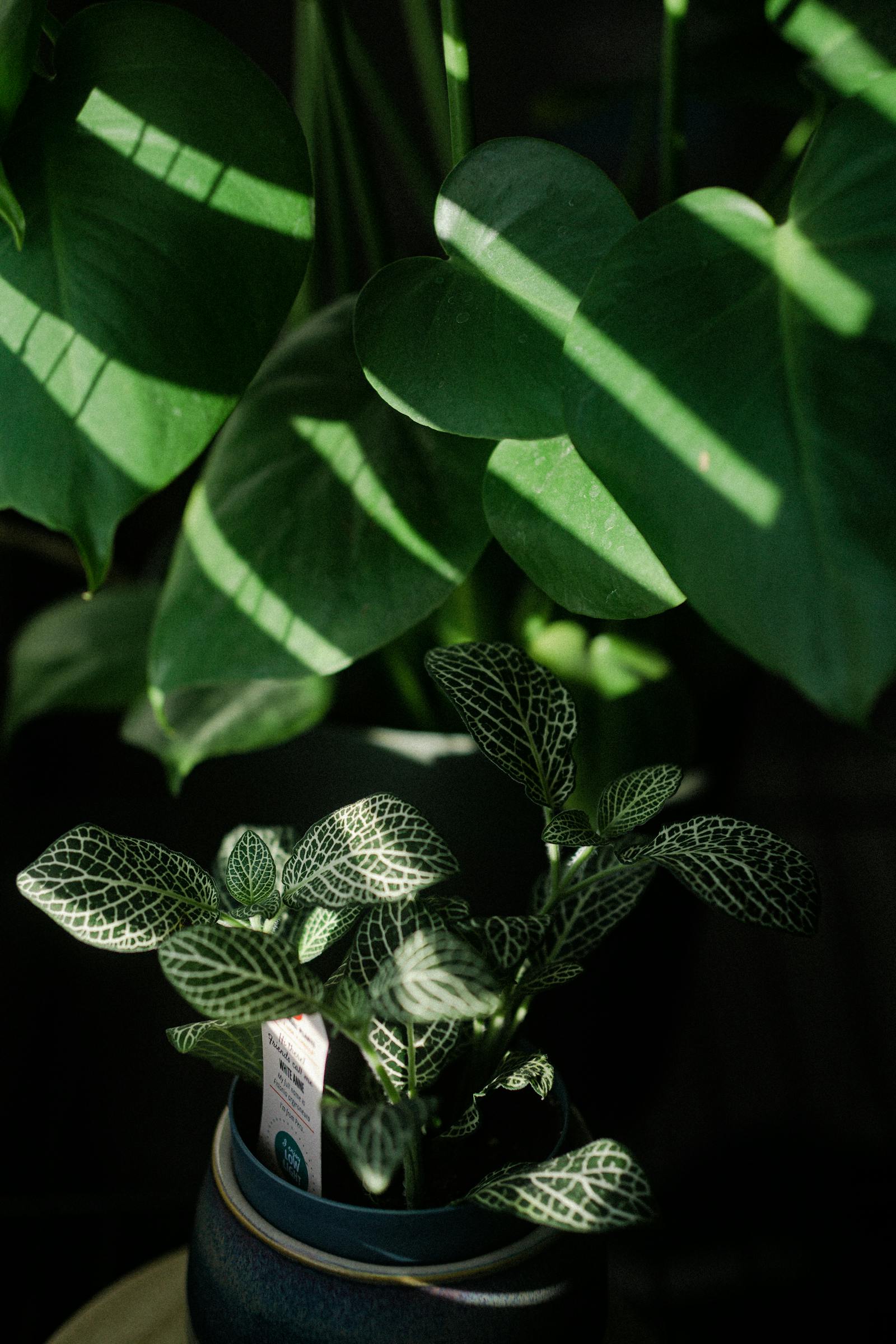
The “prayer plants” are all non-toxic. Calatheas are slightly fussy – they want consistent humidity, indirect light, and chlorine-free water – but for the right person they are worth the effort. Their patterned leaves are some of the most beautiful in the houseplant world.
6. African violet
One of the few flowering houseplants on the pet-safe list. Compact, blooms with care, and tolerates indoor conditions. Likes east-facing windows.
7. Money tree (Pachira aquatica)
Often sold with its trunk braided. Pet-safe, slow-growing, tolerates a range of light. Looks expensive without being expensive.
8. Ponytail palm
Looks like a tiny palm but is actually a succulent. Drought-tolerant, sculptural, and safe for cats and dogs.
9. Haworthia
Small succulent with thick, banded leaves. Easy on a sunny windowsill, pet-safe, and rarely tempting for pets to chew.
10. Bird’s nest fern
Glossy, ruffled fronds that emerge from a central rosette. Distinct from Boston ferns visually, safe for pets, prefers humidity.
11. Rattlesnake plant
A type of Calathea with strongly patterned leaves. Same care needs as other calatheas; same pet-safe status.
12. Echeveria and most rosette succulents
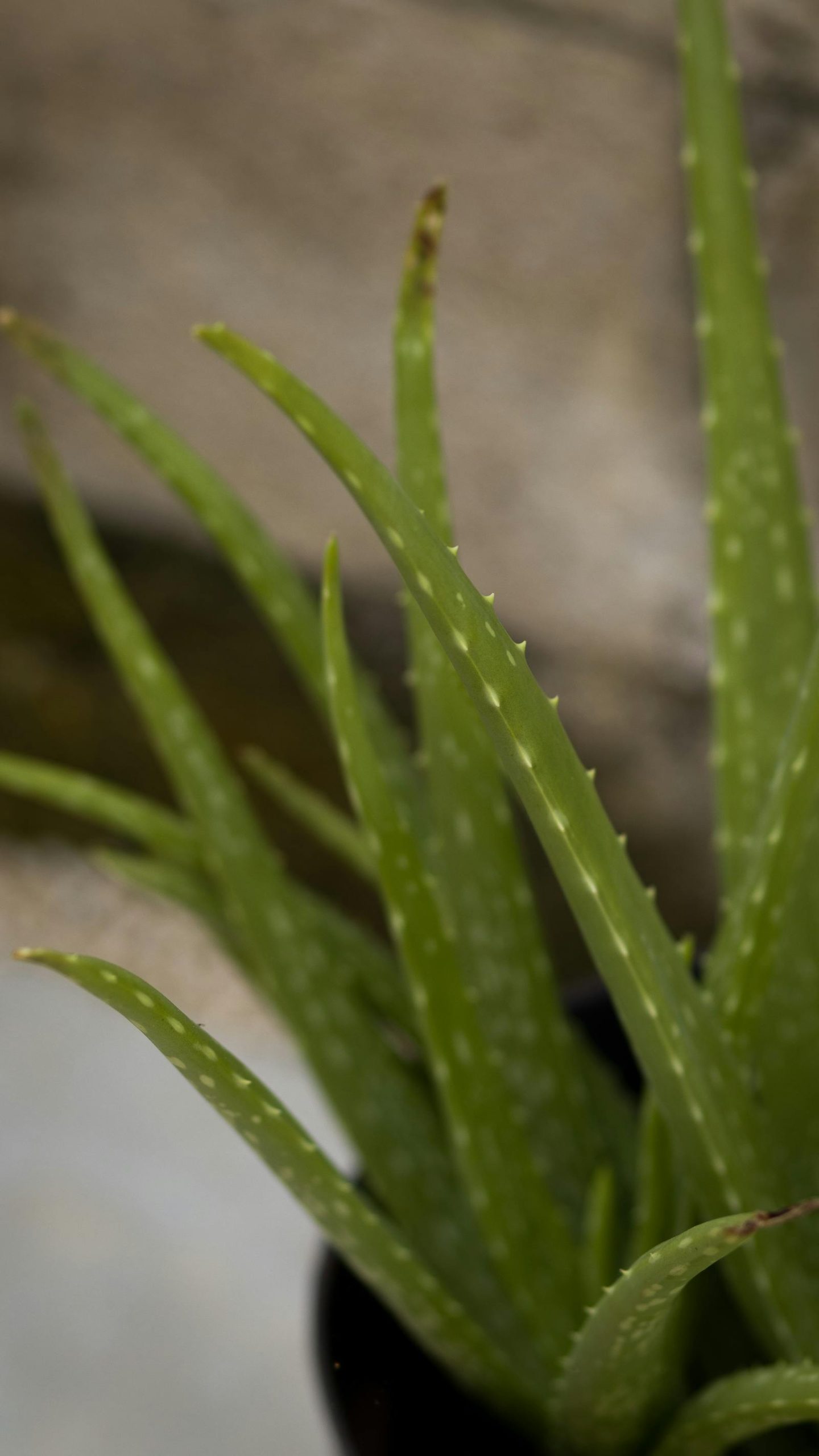
Many echeverias are listed as non-toxic to pets. They want bright light to keep their shape (see succulent care guide). Some succulents are toxic – aloe vera in small amounts is mildly irritating, and jade plant is mildly toxic. Stick to echeverias and haworthia for the safest options.
Popular plants to avoid with pets
The ones that show up on every “easy houseplant” list but aren’t pet-safe:
| Plant | Toxicity |
|---|---|
| Pothos / Devil’s ivy | Mildly toxic – mouth irritation, vomiting |
| Philodendron (all) | Mildly toxic – same as pothos |
| Peace lily | Mildly toxic – mouth and throat irritation |
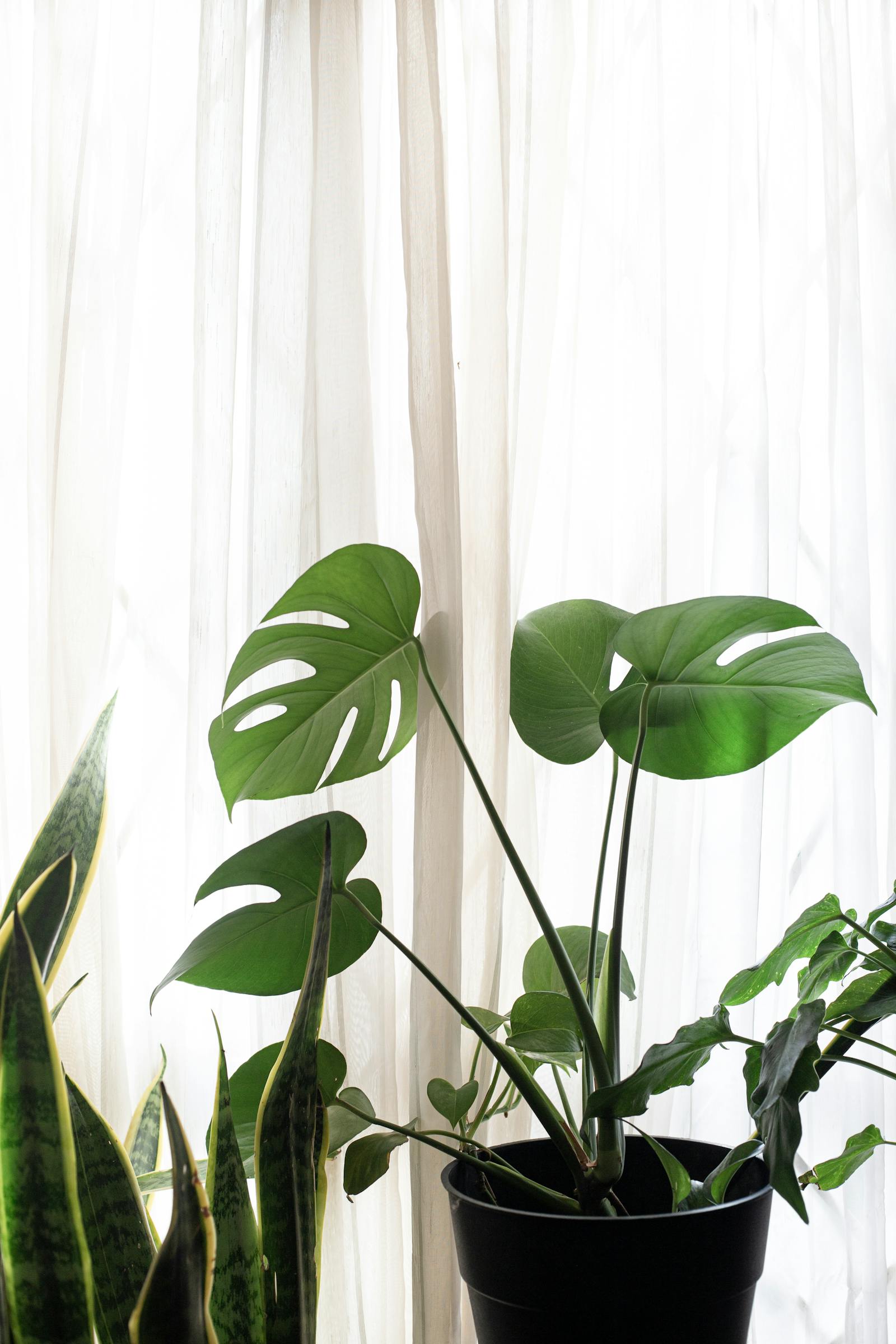
| Monstera | Mildly toxic – same family as pothos |
| Snake plant | Mildly toxic – vomiting |
| ZZ plant | Mildly toxic – skin/mouth irritation |
| Aloe vera | Mildly toxic – laxative effect, vomiting |
| Jade plant | Toxic to cats and dogs |
| Lilies (Lilium, Hemerocallis) | Severely toxic to cats – can cause kidney failure |
| Sago palm | Severely toxic to dogs and cats – can be fatal |
Lilies and sago palm are genuinely dangerous – keep these out of any home with pets, even high up. Cats jump higher than you think.
Strategies if you want toxic plants anyway
Some pet owners keep toxic plants successfully by managing access:
- Hang plants high. Trailing pothos in a ceiling-mounted planter is usually out of reach.
- Use a room your pet doesn’t access. An office or spare bedroom with the door closed.
- Watch for chewing behaviour. Some cats and dogs simply don’t bother with plants. Some chew anything green. Know your pet.
- Spray with bitter apple. Pet-safe bitter sprays deter chewing. Works for some animals, not others.
That said, the easiest path is to choose pet-safe plants from the start. The list above includes enough variety to fill a whole apartment without risk.
If your pet eats a plant
Steps in order:
- Identify the plant. Take a photo or grab a leaf for the vet.
- Note the amount. A few bites vs. half the plant.
- Call your vet or a pet poison helpline. The ASPCA Animal Poison Control Center (US) and Pet Poison Helpline are both 24/7 services.
- Watch for symptoms. Drooling, vomiting, lethargy, difficulty breathing.
- Don’t induce vomiting at home unless instructed by a vet.
For lily or sago palm exposure in particular, treat as an emergency and get to a vet immediately.
The bottom line
You can absolutely have a beautiful, full houseplant collection with a curious pet at home – you just need to choose from the pet-safe list. Spider plants, ferns, palms, calatheas, and select succulents cover most of the looks you want, with no toxicity risk.
For more on indoor plants generally, our best low-light indoor plants roundup highlights options that work in dim apartments. And if you have a north-facing window specifically, see plants for a north-facing window.
Realistic toxicity context
Most popular “toxic to pets” houseplants are mildly toxic – chewing causes irritation and discomfort rather than serious harm. Understanding the spectrum:
| Severity | Examples | Reaction |
|---|---|---|
| Mildly toxic | Pothos, philodendron, peace lily | Mouth irritation, drooling, vomiting |
| Moderately toxic | Jade plant, kalanchoe | Vomiting, lethargy, sometimes more |
| Severely toxic | Lilies (true lilies, for cats), sago palm | Can cause kidney failure or death |
Lilies and sago palm are the actual emergencies. Most other popular houseplants are uncomfortable for pets but not life-threatening. Still worth choosing pet-safe alternatives when possible.
What to do if a pet eats a plant
- Identify the plant (photograph or save a leaf for the vet).
- Note how much was eaten.
- Call a vet or poison control: ASPCA Animal Poison Control or Pet Poison Helpline (both 24/7).
- Watch for symptoms: drooling, vomiting, lethargy, difficulty breathing.
- For lily exposure in cats: emergency vet immediately – delays can mean kidney failure.
- Don’t induce vomiting unless specifically instructed by a vet.