Anúncios
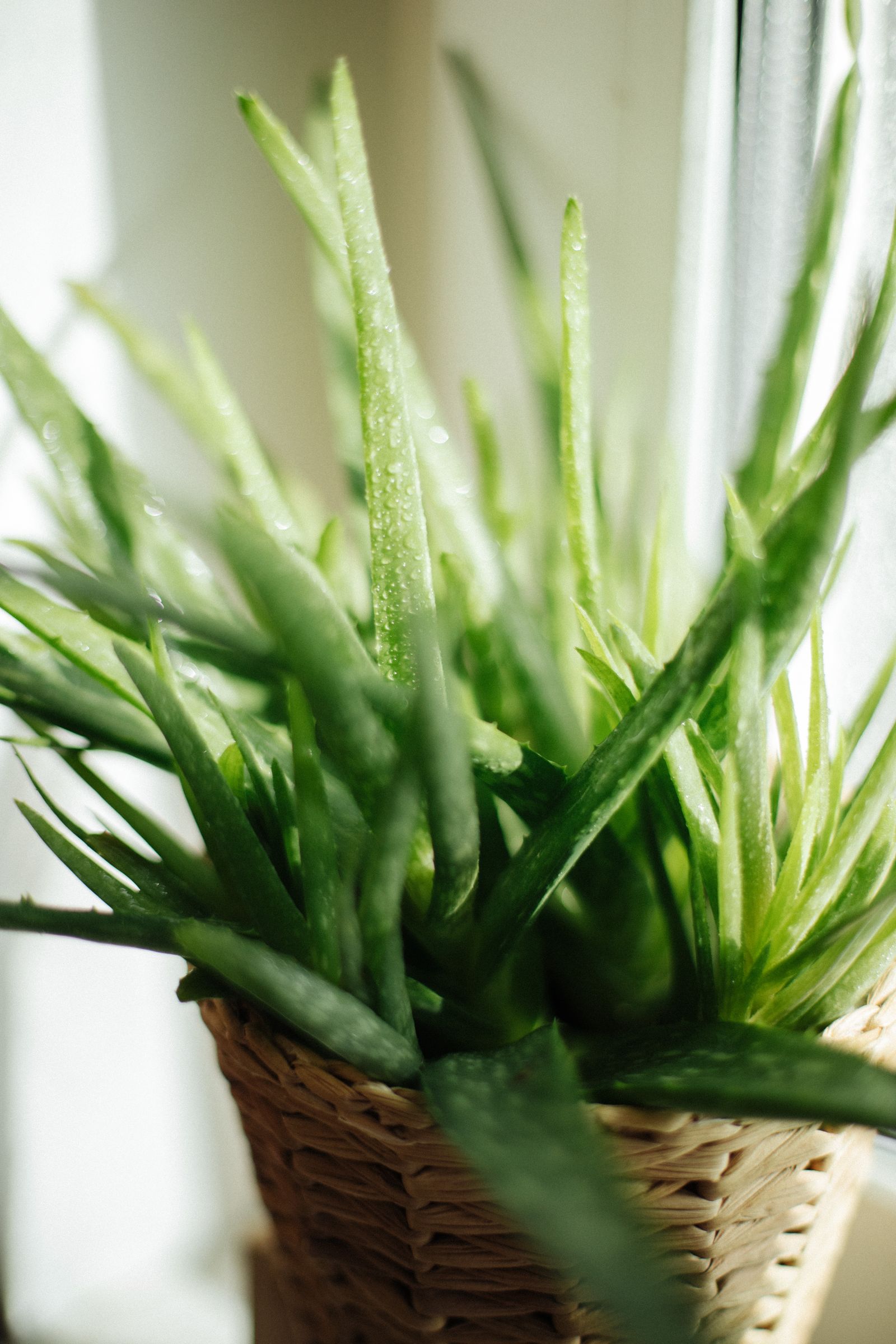
Aloe vera occupies an unusual spot in the houseplant world. It’s a succulent (easy to grow), it’s a folk medicine staple (the gel is genuinely useful for minor burns and skin irritation), and it’s strangely under-celebrated despite being one of the most practical plants you can have indoors.
Here’s how to grow it properly and use it without ruining the plant.
Anúncios
Light: bright, ideally with some direct sun
Aloe vera comes from sunny, arid regions. Indoors it wants:
- South or west-facing windowsill, ideally.
- 4+ hours of bright light per day, with some direct sun.
- In low light, the plant survives but becomes pale, stretched, and floppy. Move closer to a window.
If you don’t have bright light, a small LED grow bulb on a timer (10-12 hours per day) makes a significant difference. Aloe in marginal light is one of the most common cases where a $15 grow bulb transforms a struggling plant.
Water: less than you think
Aloe vera stores water in its thick leaves. Its main cause of death is overwatering.
Anúncios
The rule:
- Let the soil dry out completely between waterings – all the way through the pot, not just the top inch.
- Water deeply when you do water.
- In typical conditions: every 2-3 weeks in summer, every 4-6 weeks in winter.
- Always check the soil. If it’s still damp from last time, wait another week.
Soil and pot
- Soil: a cactus/succulent mix, or general potting mix amended with extra perlite (2:1 ratio).
- Pot: terracotta is ideal – it breathes and dries the soil faster. Drainage holes are essential.
- Pot size: only slightly larger than the root ball. Too-large pots hold excess moisture.
For more on soil choices, see potting soil vs garden soil and choosing a potting mix.
Temperature
Aloe vera prefers warm temperatures (65-80°F / 18-27°C) and tolerates significantly higher with adequate water. Below 50°F (10°C), growth slows; below 40°F (4°C), the plant can be damaged. Keep aloe away from cold drafts and freezing windows in winter.
Fertilizing
Aloe vera doesn’t need much. A diluted (quarter-strength) liquid fertilizer every 6-8 weeks during spring and summer is plenty. Don’t fertilize in winter.
Over-fertilizing makes aloe leaves grow soft and unhealthy. Less is more.
Propagation: from offsets (“pups”)
Mature aloe plants produce small offsets at their base – smaller versions of the parent plant that share the same root system. These can be separated and grown as new plants.
To propagate:
- Wait until pups are at least 2-3 inches tall and have their own roots.
- Remove the parent plant from its pot.
- Gently separate the pup from the parent root system. Use clean scissors or a knife if the connection is firm.
- Let the pup air-dry for a day or two so the cut callouses over.
- Plant in its own small pot of cactus mix.
- Don’t water for a week, then water sparingly.
A healthy aloe produces several pups per year. Within a few years a single plant can become a dozen.
Using the gel
Fresh aloe gel is genuinely useful for minor burns (kitchen mishaps, sunburn) and skin irritation. It’s been used for thousands of years for this purpose. A few practical notes:
- Use only mature leaves – at least 8 inches long and from a plant that’s been established 6+ months. Younger leaves don’t have enough gel.
- Cut a healthy outer leaf at its base with a clean knife.
- Stand the cut leaf upright for 10-15 minutes to drain the yellow latex layer (aloin) – this can irritate skin and stomach. Discard the yellow liquid.
- Slice the green skin off the leaf, exposing the clear inner gel.
- Scoop or slice out the gel. Apply directly to skin for burns or irritation.
- Refrigerate any leftover gel in a sealed container – it lasts about a week.
Important safety notes:
- Aloe vera gel is for external skin use. Some people are allergic – patch test on a small area first.
- Don’t ingest fresh aloe latex (the yellow layer). It’s a strong laxative and can cause severe digestive upset.
- Aloe is mildly toxic to cats and dogs if eaten. See pet-safe houseplants for alternatives if you have curious pets.
- For serious burns or wounds, see a medical professional. Aloe is folk medicine for minor irritation, not a substitute for proper treatment.
Common problems
| What you see | Cause | Fix |
|---|---|---|
| Leaves yellowing and soft | Overwatering | Stop watering; let soil dry; check for root rot |
| Leaves shrivelling or wrinkled | Underwatering | Water thoroughly; usually recovers in 1-2 days |
| Leaves stretching tall and pale | Not enough light | Move to a brighter spot; add grow bulb if needed |
| Brown spots on leaves | Sunburn from sudden bright light, or fungal | Acclimate gradually to sunlight; remove affected leaves if fungal |
| Roots emerging from drainage holes | Pot too small | Repot up one size into fresh cactus mix |
| Plant flopping outward | Top-heavy from light-stretching | Move to brighter spot; over time new growth will be more compact |
Outdoor in summer
Aloe vera loves spending summer outside in mild climates. Place in a partly sunny spot (acclimate gradually to avoid sunburn) and water sparingly. Bring back indoors before temperatures drop below 50°F (10°C).
The bottom line
Aloe vera is one of the most practical houseplants you can own – easy to care for, useful for minor burns and skin irritation, and propagates freely so you’ll always have backup plants. Treat it like the succulent it is: bright light, infrequent watering, fast-draining soil. Within a year you’ll have a healthy plant; within two years, several.
For more easy-care succulents, see succulent care for beginners. And for the wider beginner-friendly plant list, 7 easiest plants for beginners includes aloe and other forgiving options.
Practical aloe vera gel uses
Fresh aloe gel from your own plant has multiple uses backed by traditional and some modern evidence:
- Minor burns: apply directly to skin. Cooling effect; supports healing.
- Sunburn: aloe is widely used; the gel provides cooling relief.
- Minor cuts and scrapes: a thin layer can help.
- Dry skin patches: as a moisturizer.
- Insect bites: may reduce itching and inflammation.
For external skin use only – don’t ingest the yellow latex layer (it’s a strong laxative).
Harvesting without killing the plant
Aloe plants need leaves to survive. Sustainable harvest:
- Only take from mature plants (at least 8 inches tall, established 6+ months).
- Cut a leaf from the outside of the rosette, leaving the centre intact.
- Cut close to the base but don’t damage the centre crown.
- Take no more than 1-2 leaves per month from a mature plant.
- The plant produces new leaves from the centre to replace harvested ones.
Over-harvesting (taking too many leaves at once) weakens the plant. Patience pays off long-term.