Anúncios
Hardware stores love a beginner. There’s an entire aisle of gleaming, copper-handled, walnut-finished gardening tools sized for someone managing the grounds of a manor house. Most of them you’ll use twice in a lifetime. The actual list of tools a new gardener needs is short, cheap, and unglamorous.
Here’s what to buy, what to skip, and what to add only if you’re sure you’ll use it.
Anúncios
The 6 tools you actually need
1. A hand trowel
The single most-used tool in any small-space or container garden. You’ll use it for transplanting, digging small holes, scooping soil into pots, mixing in compost. Buy a sturdy metal one – stainless steel ideally – with a comfortable grip. The plastic supermarket trowels bend on day three.
Expected spend: $8-15. Worth it: yes, completely.
2. A pair of decent secateurs (pruners)
Secateurs are scissors for plants. You’ll use them to deadhead flowers, harvest herbs, prune leggy stems, snip back overgrown houseplants, and cut back perennials. Get bypass pruners (which work like scissors, cutting cleanly) rather than anvil pruners (which crush the stem against a plate).
Anúncios
Expected spend: $15-30. A reasonably-priced pair will last a decade. Skip the $4 supermarket ones – they go blunt almost immediately.
3. A watering can
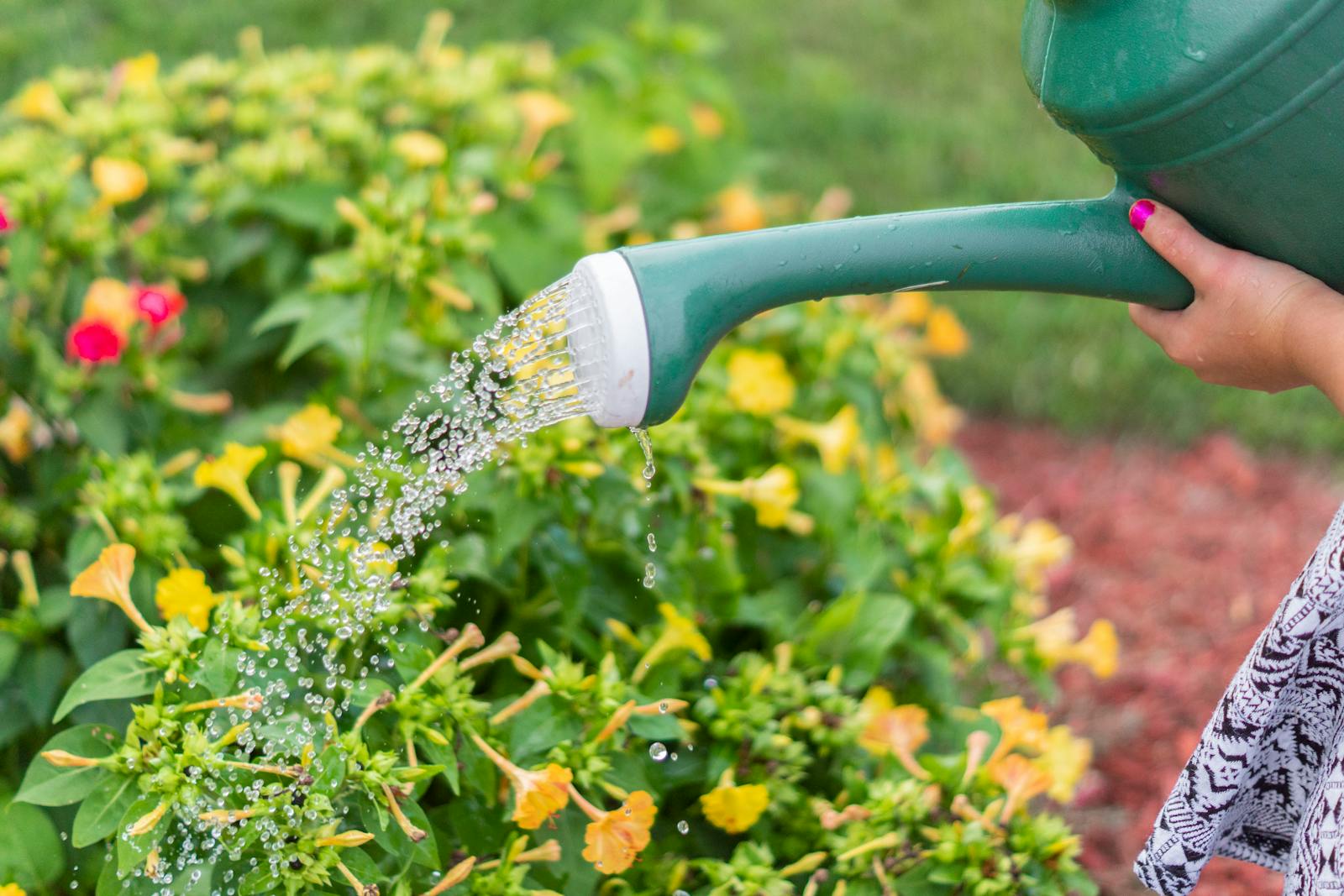
You can use a kitchen jug, a recycled milk bottle, a measuring cup. But a real watering can with a long spout makes watering pots much easier and reduces spillage. A 1-2 litre indoor watering can plus a 5-10 litre outdoor one covers almost any setup.
Look for: a narrow, long spout for getting between dense foliage; a removable rose (the sprinkly cap) for gentler watering of seedlings.
Expected spend: $10-25. Worth every cent.
4. Gloves
Optional for indoor plants, essential outdoors. Cheap garden gloves are fine for most work. Get a pair that fits snugly – flopping gloves are useless. For thornier work or hot peppers, a heavier coated pair is worth having too.
Expected spend: $5-15.
5. A bag of general-purpose potting mix
Not a tool exactly, but the most-bought consumable. A standard 1.5 cubic foot bag fills several medium pots and lasts most beginner setups for a season. Buy general-purpose mix; ignore the specialty bags for your first year unless you’re growing succulents (which need their own faster-draining mix).
For the full breakdown on what kind to buy, see our guide to potting soil vs garden soil.
Expected spend: $8-15 per bag.
6. Pots with drainage holes
Again, not really a tool, but worth listing because the wrong pots quietly kill more plants than anything except overwatering. Two or three sturdy pots in the right sizes (6, 8, and 10 inches) cover most starter setups. Plastic, glazed ceramic, or fabric grow bags are all fine. Avoid pretty pots with no drainage – they look great until they kill the plant.
Expected spend: $5-20 each.
That’s the whole essential list
Six items. Maybe $50-100 if you buy good ones. That covers indoor plants, balcony herbs, container vegetables, and almost everything a beginner does. Anything else on this list is optional, situational, or honestly just clutter.
Tools you can probably skip
Some of these have their uses, but for a beginner working with houseplants, herbs, and a small balcony, they’re unnecessary purchases.
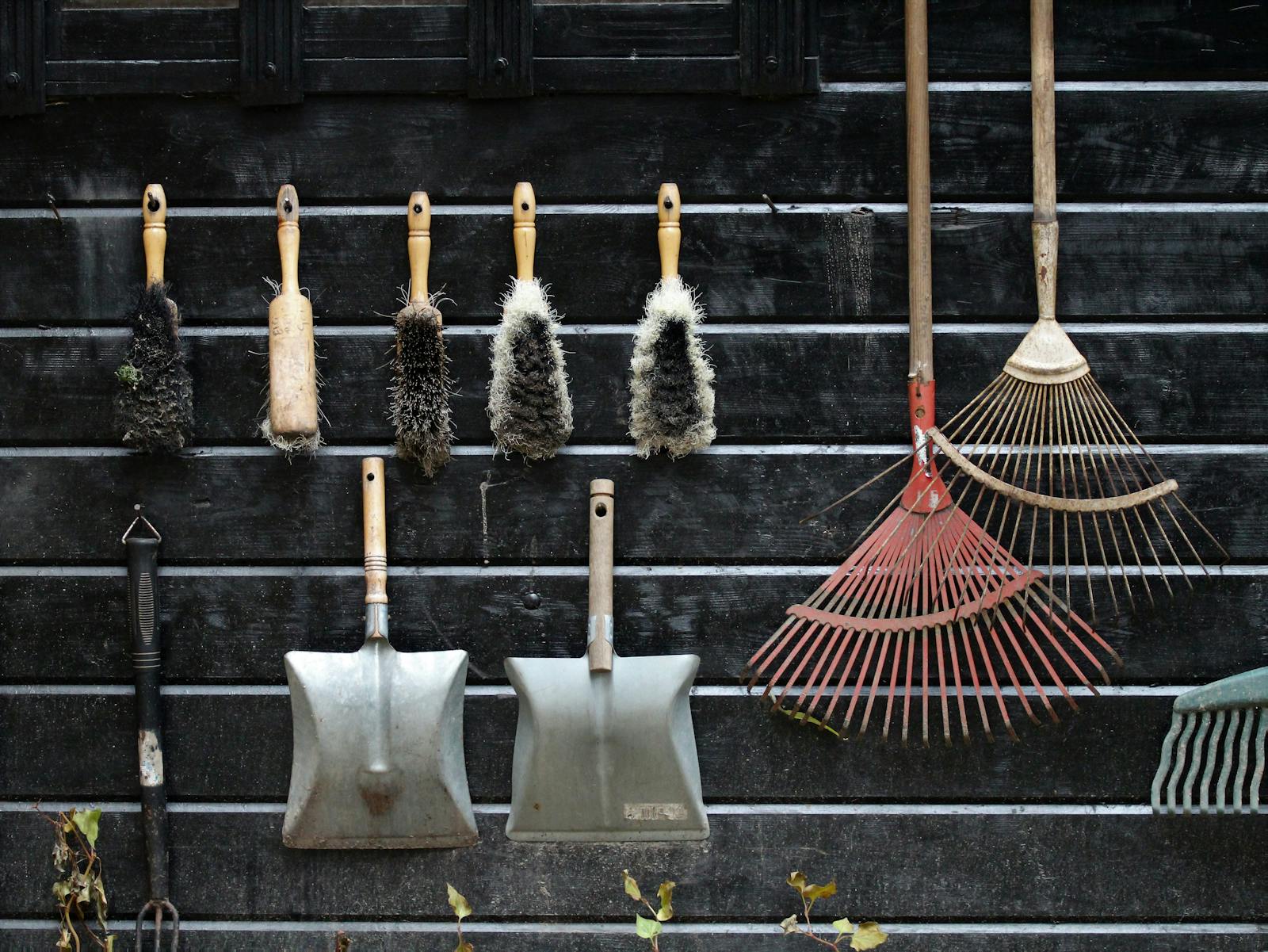
- A full-sized spade or shovel. Only needed if you have actual garden beds to dig. Not relevant for pots.
- A garden fork. Same logic. For loosening compacted in-ground soil.
- A hoe. For weeding large vegetable rows. Skip until you have one.
- A wheelbarrow. Wonderful, expensive, and pointless if you don’t have somewhere to wheel things.
- Cultivator forks (three-pronged hand claws). Useful for some specific tasks; usually a trowel does the same job.
- Dibbers. A stick is fine for poking seed holes.
- Garden twine drum + cutter. A roll of regular twine and your secateurs work fine.
- Bypass loppers. Only needed if you have shrubs and trees to prune.
- Pruning saw. Same as above.
- Soil sieves. Beautiful, useful for advanced potting; absolute overkill for beginners.
The things worth adding if you keep gardening
Once you’ve kept plants alive for a season and want to expand, these are next:
- A small watering meter ($10-15). Takes the guesswork out of “is the soil really dry, or just dry on top?” Especially useful for bigger pots.
- A small LED grow light ($15-30). Big deal for indoor herbs in winter.
- Slow-release fertilizer or a balanced liquid feed ($8-15). For when your potted plants start to slow down.
- A bag of perlite or vermiculite ($6-10). Useful for amending potting mix for succulents or improving drainage.
- Yellow sticky traps ($5). For dealing with fungus gnats on indoor plants without chemicals.
What to look for when buying
| Tool | Look for | Avoid |
|---|---|---|
| Hand trowel | One-piece metal construction, comfortable handle | Painted plastic with thin metal stamping |
| Secateurs | Bypass cut, replaceable blade, spring-loaded | Anvil-style or fixed-blade supermarket pruners |
| Watering can | Long spout, removable rose, comfortable balance when full | Wide-spout decorative cans (over-water everything) |
| Gloves | Snug fit, breathable, washable | Loose, bulky, sweaty gloves |
| Pots | Drainage holes, depth at least 6 inches | No drainage, very small “decorative” sizes |
Tool care (this matters more than people think)
The tools above can last decades with basic care. The tools at the back of the average shed last two summers.
- Rinse soil off after each use. Wet soil left on metal = rust.
- Dry thoroughly before storing.
- Wipe blades with a thin film of oil (any cooking oil works for a household scale) once a season.
- Sharpen secateurs once a year. A whetstone or a $10 sharpener gets the job done.
- Replace springs in secateurs if they get sluggish. Springs are cheap; tools that go unused are expensive in their own way.
The short version
For most beginners, gardening is six tools, one bag of potting mix, and a few pots. The hardware store wants you to believe it’s a $300 entry fee with sixteen specialty implements. It is not. Start small, buy good versions of the basics, and add only what you genuinely use.
Once you’ve got these tools, our 7 easiest plants for absolute beginners guide is where to put them to work. And if you’re planning a small outdoor setup, the balcony garden guide covers the rest of the practical setup decisions.