Anúncios
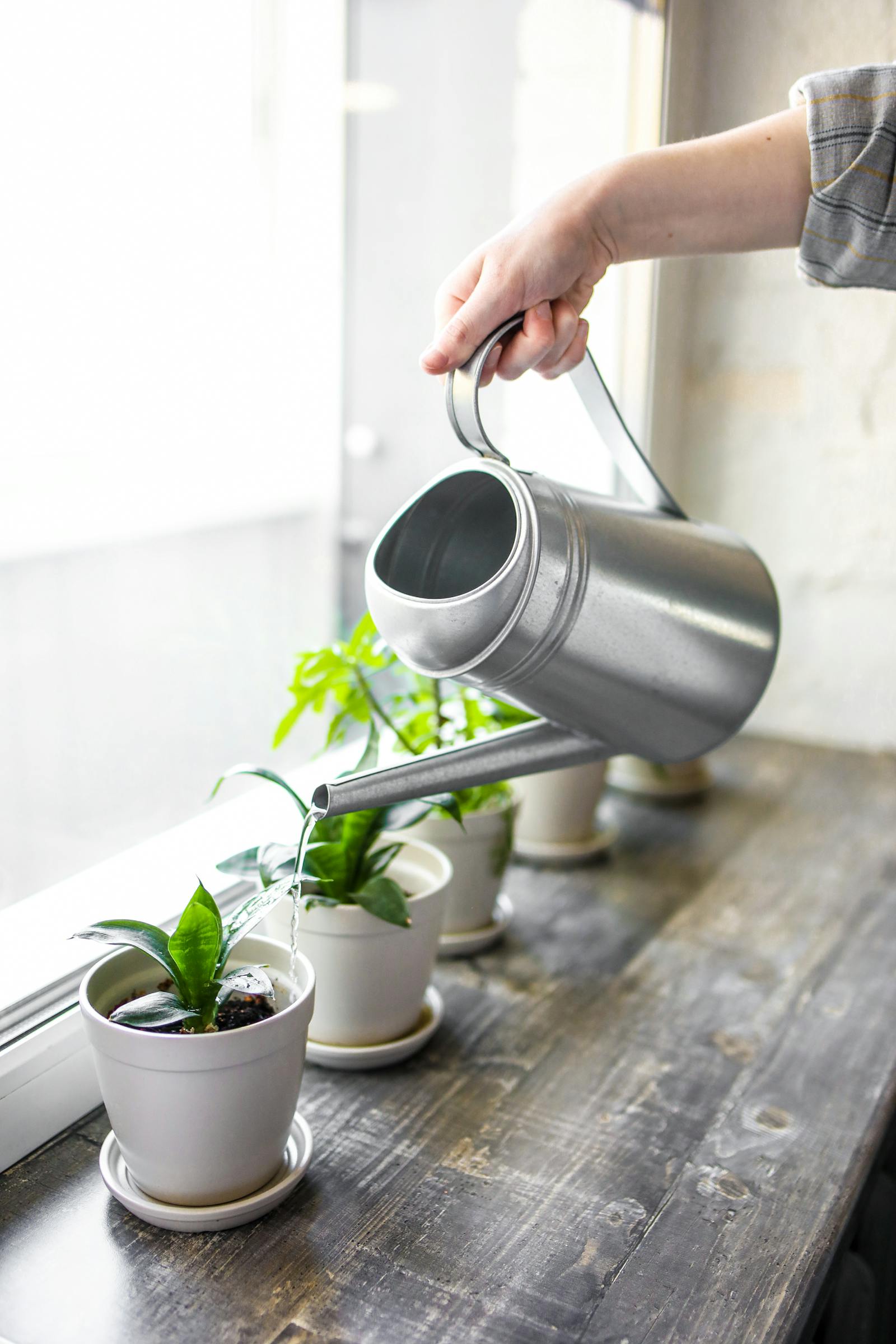
The cheapest plant upgrade you can make has nothing to do with what you plant or where. It’s when you water. Most beginners reach for the watering can after work, water in the warm evening light, and inadvertently set their plants up for fungal disease and uneven absorption. A small shift to morning watering changes the math.
The short answer
Early morning is the best time to water most plants, ideally between sunrise and around 10 a.m. Here’s why, in order of importance:
Anúncios
- Water reaches roots before the day’s heat peaks – so less evaporates and more is actually absorbed.
- Any water on leaves dries quickly in the morning sun, reducing fungal disease.
- The plant enters peak photosynthesis (later morning to early afternoon) already hydrated, which is when it needs water most.
- Cooler morning temperatures mean less stress on the plant during the watering itself.
The second best: late afternoon or early evening
If morning isn’t possible (you work, you sleep in, life happens), late afternoon to early evening – around 4-6 p.m. – is the next best option. Water still has time to soak in before nightfall, and the heat is past its peak.
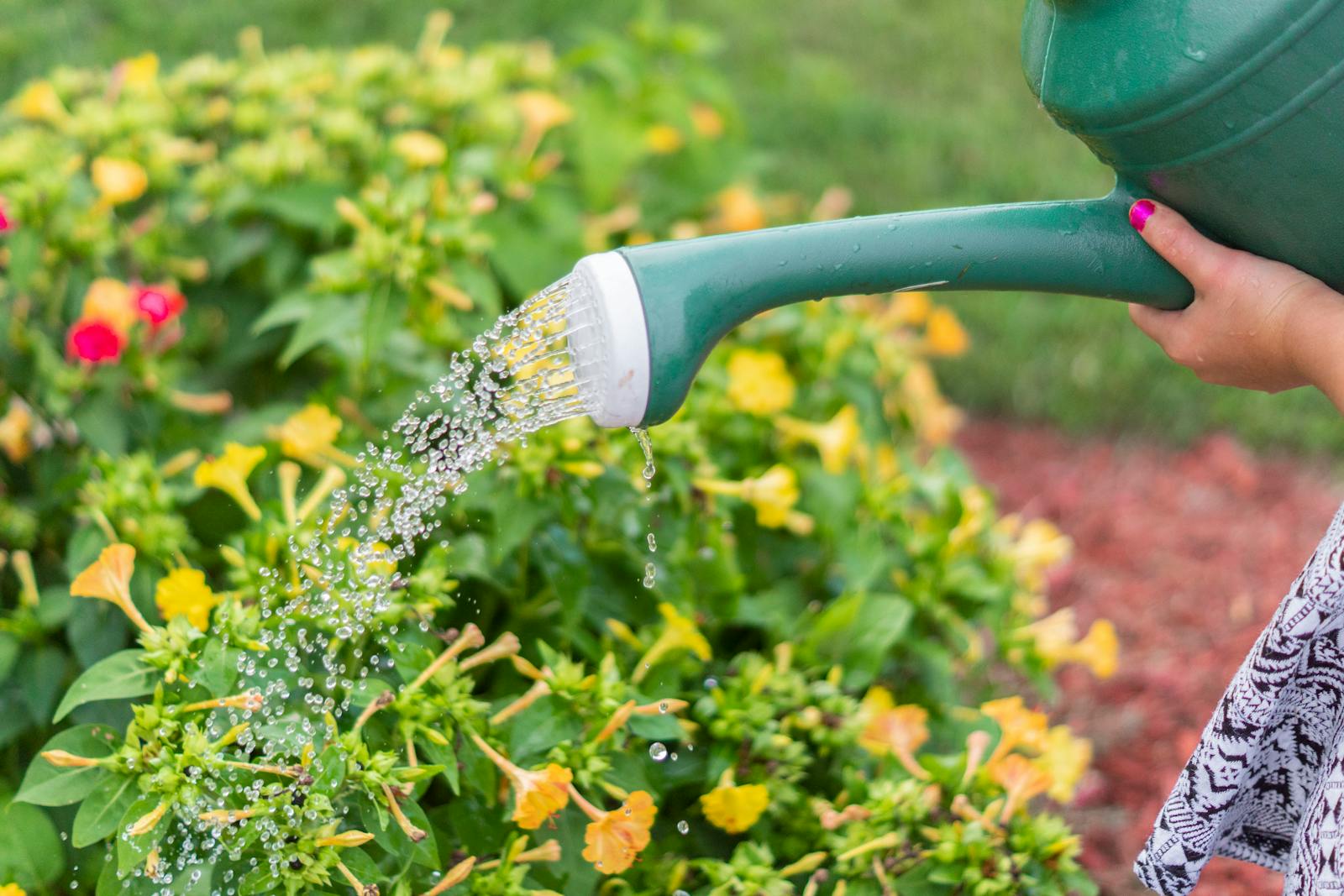
The risk with evening watering: if water sits on leaves overnight, fungal diseases like powdery mildew and downy mildew can develop. Avoid wetting the foliage in the evening – aim at the soil only.
The worst time: midday
Watering between 11 a.m. and 3 p.m., especially in summer, has two problems:
Anúncios
- Evaporation. Up to 30% of the water you pour can evaporate before it reaches the roots in hot, sunny conditions. Wasted effort.
- Sun scorch. Water droplets on leaves can act like tiny lenses and focus sunlight onto the leaf, causing scorched spots. This is real but less dramatic than people think – the more common issue is just inefficient watering.
If you must water midday (a wilting plant in a heatwave needs water now, not “tomorrow morning”), do it. The risk is overstated; a thirsty plant is in worse trouble than the small downsides of midday watering.
Outdoor versus indoor: does it matter?
The time-of-day rule mostly applies to outdoor plants. For indoor plants:
- Temperatures and humidity are stable, so evaporation isn’t a major concern.
- There’s no direct sun on the foliage to cause scorch.
- The main reason to prefer morning indoors is so wet leaves (if any water splashed) dry before nightfall – reducing fungus and mold risk.
For most indoor plants, water whenever the soil tells you it’s time. Time of day matters far less than soil moisture. See our how often to water plants guide for the broader picture.
Summer heat watering rules
In a heatwave, the rules tighten:
- Water early morning (before 8 a.m. if possible).
- Water deeply – shallow watering encourages shallow roots that bake.
- Mulch the soil surface to reduce evaporation.
- Move container plants into partial shade during peak heat (noon to 4 p.m.).
- If plants are wilting badly mid-afternoon, water – heatwave triage trumps schedule.
Watering balcony and container plants specifically
Containers dry out faster than in-ground plants because there’s much less soil. For a balcony in summer:
- Morning water is essential – mid-day watering on a sunny balcony just steams away.
- You may need to water twice daily in very hot weather – once morning, once evening (soil only, not leaves).
- Self-watering pots are extremely helpful in this scenario – they buffer the swings.
For more on balcony-specific watering, see our balcony garden guide.
How to know if you watered well
Regardless of time of day, the markers of a good watering:
- Water flows out the drainage holes (for pots).
- The top inch of soil is visibly wet but no standing water remains.
- The plant looks the same one hour later as immediately after (no obvious wilting return).
- Soil weight has noticeably increased when you lift the pot.
Watering with cold versus room-temperature water
One under-discussed factor: water temperature. Ice-cold water (straight from a cold tap on a winter morning) can shock tropical houseplants. Room-temperature water is gentler. Tap water that’s sat out overnight is both room-temperature and free of chlorine that bothers sensitive plants.
This doesn’t matter for outdoor plants – rain doesn’t ask permission about temperature. For prized houseplants, especially calatheas and prayer plants, room-temperature water is a small upgrade.
The bottom line
Early morning is the best time to water – for plants, for water efficiency, and for fungal disease prevention. Late afternoon is the next best. Midday is workable in a pinch but inefficient. For indoor plants, time of day matters far less than soil moisture.
Once you’ve sorted the when, the how-often comes next. See how often to water plants and overwatering vs underwatering signs for the rest of the watering system.
Why early morning is genuinely better
The conventional wisdom “water in the morning” has measurable benefits:
- Evaporation loss: midday watering loses 25-35% to evaporation in hot weather. Morning watering: under 10%.
- Disease prevention: wet leaves at night encourage fungal pathogens. Morning watering lets leaves dry by midday.
- Plant hydration timing: plants are most active during morning-afternoon hours. Watering in the morning means the plant is fully hydrated when it needs water most.
- Heat stress reduction: a well-hydrated plant tolerates afternoon heat far better than a marginally-watered one.
Climate-specific watering schedules
| Climate | Best watering time |
|---|---|
| Hot dry summer (Mediterranean) | Pre-dawn or just after sunrise |
| Hot humid (Southeast US) | Early morning to avoid evening leaf wetness |
| Mild summer (UK, Pacific Northwest) | Morning or early evening both fine |
| Cool summer / mountain regions | Mid-morning when soil has warmed |
| Very humid tropical | Morning only – evening watering breeds disease fast |