Anúncios
A seed packet is the cheapest piece of gardening literature you can buy, and one of the most useful. The back contains everything you need to know to grow that specific variety – written by people who actually breed and test the plant. Most beginners glance at the picture, sow the seeds, and never read the rest. That tiny block of text is where the real instructions live.
Here’s exactly what each section means, in plain language.
Anúncios
1. The plant name (genus and variety)
Usually two parts: a common name (Basil, Carrot, Marigold) and a variety name in quotes (‘Genovese’, ‘Nantes’, ‘Crackerjack’). The variety matters more than people realize – different varieties of the same plant can have wildly different sizes, flavours, days to maturity, and disease resistance.
If a recipe calls for “sweet basil,” you want ‘Genovese’ or a similar large-leafed variety. If you want carrots that grow in shallow containers, look for short varieties like ‘Paris Market’ rather than long ones like ‘Imperator’.
2. Days to germination
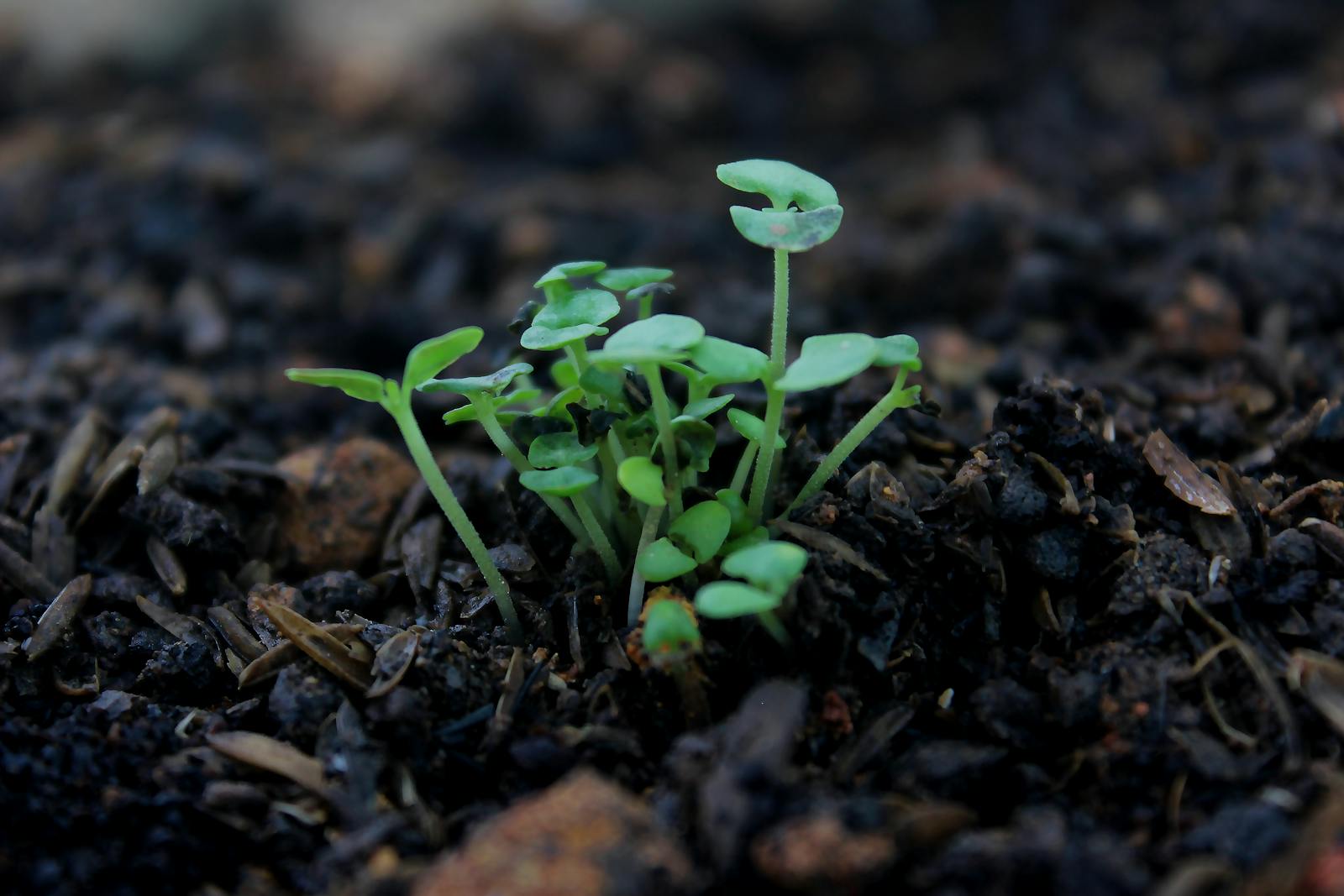
The number of days from sowing to the first green sprout appearing. Useful for two reasons:
Anúncios
- It tells you when to start worrying. If the packet says “7-10 days” and nothing has come up by day 14, something is wrong.
- It helps you plan. Fast germinators (radish, lettuce) appear within days; slow ones (parsley, peppers) can take 2-3 weeks.
3. Days to maturity (or “days to harvest”)
How long from sowing until you can actually eat or enjoy the plant. For lettuce, this might be 30 days. For tomatoes, 70-90. For carrots, around 70.
This number assumes good growing conditions. Cooler weather, less sun, or smaller pots will stretch it. Use it as a rough planning estimate, not a guarantee.
4. Sowing depth
The biggest beginner mistake is sowing too deep. As a rough rule, plant seeds at a depth of about twice their diameter. So a tiny lettuce seed gets a sprinkle of soil; a bean seed goes in an inch deep.
The packet usually says “1/4 inch” or “1/2 inch” or “1 inch.” Trust it. Burying seeds too deep is one of the most common causes of “my seeds didn’t germinate.”
5. Spacing (between seeds and between rows)
Often shown as two numbers – the space between individual plants once thinned, and the space between rows if you’re planting in a garden bed.
For container gardening, the spacing matters less than the final plant size. The key question is: how big will this plant get? If the packet says space 6 inches apart, the plant probably grows to about 6 inches across. A 12-inch pot can hold maybe two of them.
6. Sun requirements
Usually shown as a sun symbol – full sun (6+ hours), partial sun (3-6 hours), or shade (less than 3). See our guide to plant sunlight needs for the actual definitions.
This is non-negotiable. Sowing a sun-loving plant into a north-facing balcony won’t work, no matter how hopefully you read the rest of the instructions.
7. Sowing time / hardiness zone information
One of the most variable sections, depending on the manufacturer. You might see:
- “Sow after last frost” – wait until your area’s typical final frost date in spring.
- “Sow indoors 6-8 weeks before last frost” – start seeds inside before transplanting outdoors.
- “Sow direct in spring or fall” – put seeds straight into the ground, no transplanting needed.
- “Zones 3-9” – the USDA hardiness zones where this plant grows reliably outdoors. Look up your zone if you don’t know it.
For container growers, hardiness zones matter less because you can move pots indoors. For in-ground perennials, they’re critical.
8. Watering and care notes
Brief – usually one or two sentences. “Keep soil consistently moist,” “Allow soil to dry between waterings,” “Mulch to retain moisture.” These match our general advice in how often to water plants.
9. The expiry / packed-for date
Look for “Packed for [year]” or “Best by [date].” Most seeds remain viable for 1-3 years past their packed date if stored cool and dry, but germination rates drop. Fresh seeds germinate better.
If you’re using older seeds, sow more than you need to compensate for lower germination rates.
10. The germination guarantee (sometimes)
Quality seed packets often state a minimum germination percentage – e.g. “85% germination.” This is the percentage of seeds that should sprout under good conditions. If yours fall well below this, the seeds may be old or have been stored poorly.
What the packet doesn’t tell you
Two things worth knowing that aren’t on most packets:
- Soil temperature matters more than air temperature for germination. Some seeds need 60°F+ soil; in cool conditions they sit unmoved for weeks. A cheap soil thermometer settles this.
- “Days to maturity” assumes outdoor conditions and direct sowing. Container plants on a balcony often take 10-20% longer.
Putting it together: a sample read
Imagine a basil packet:
- Variety: ‘Genovese’ (large-leafed sweet basil)
- Days to germination: 5-10
- Days to maturity: 60-80
- Sowing depth: 1/4 inch
- Spacing: 8-12 inches
- Sun: Full sun
- Sowing time: After last frost
What this tells you: warm-season annual, needs lots of sun, plant after frost danger has passed, seeds shallow, expect a green sprout in about a week, harvest leaves in roughly 2-3 months. With this info plus the broader notes in our how to grow basil guide, you have everything you need.
The bottom line
The back of a seed packet is two minutes of reading that prevents weeks of frustration. Don’t skip it. The people who wrote those instructions tested the variety on real plants under real conditions, and the numbers on the packet beat almost any general internet advice for that specific seed.
For practical setup of seeds and seedlings, see seeds vs seedlings for beginners. For the common mistakes new growers run into, the 15 beginner mistakes guide covers the next layer.
See also: the right seed planting depth for each crop.