Anúncios
If you’ve ever stood in the soil aisle at a hardware store, looked at a row of nearly identical-looking bags, and wondered why “potting soil” costs twice as much as “topsoil,” you’re in good company. I bought the wrong one for my first three pots. The plants struggled. I assumed I had brown thumbs. The truth was much simpler: I’d filled my containers with material designed for the ground, not for pots.
The difference between potting soil and garden soil isn’t marketing. They behave completely differently once a plant’s roots are inside them. Get this wrong and almost every other thing you do – watering, drainage, fertilizing – gets harder. Get it right and most of your potted plants suddenly look like the photos on the seed packet.
Anúncios
Here’s everything I wish someone had explained to me at that hardware store.
What’s in each one

Despite the similar look, potting soil and garden soil are made of very different ingredients.
| Potting soil (potting mix) | Garden soil / topsoil | |
|---|---|---|
| Main ingredients | Peat moss or coco coir, perlite, vermiculite, compost, sometimes bark | Mineral soil from the ground, often with some compost |
| Contains real “dirt”? | Usually no | Yes |
| Texture | Light, fluffy, holds shape loosely | Dense, heavier, holds shape firmly when wet |
| Drainage | Excellent | Poor in containers |
| Weight per bag | Light | Heavy |
| Best for | Pots, containers, hanging baskets | In-ground garden beds |
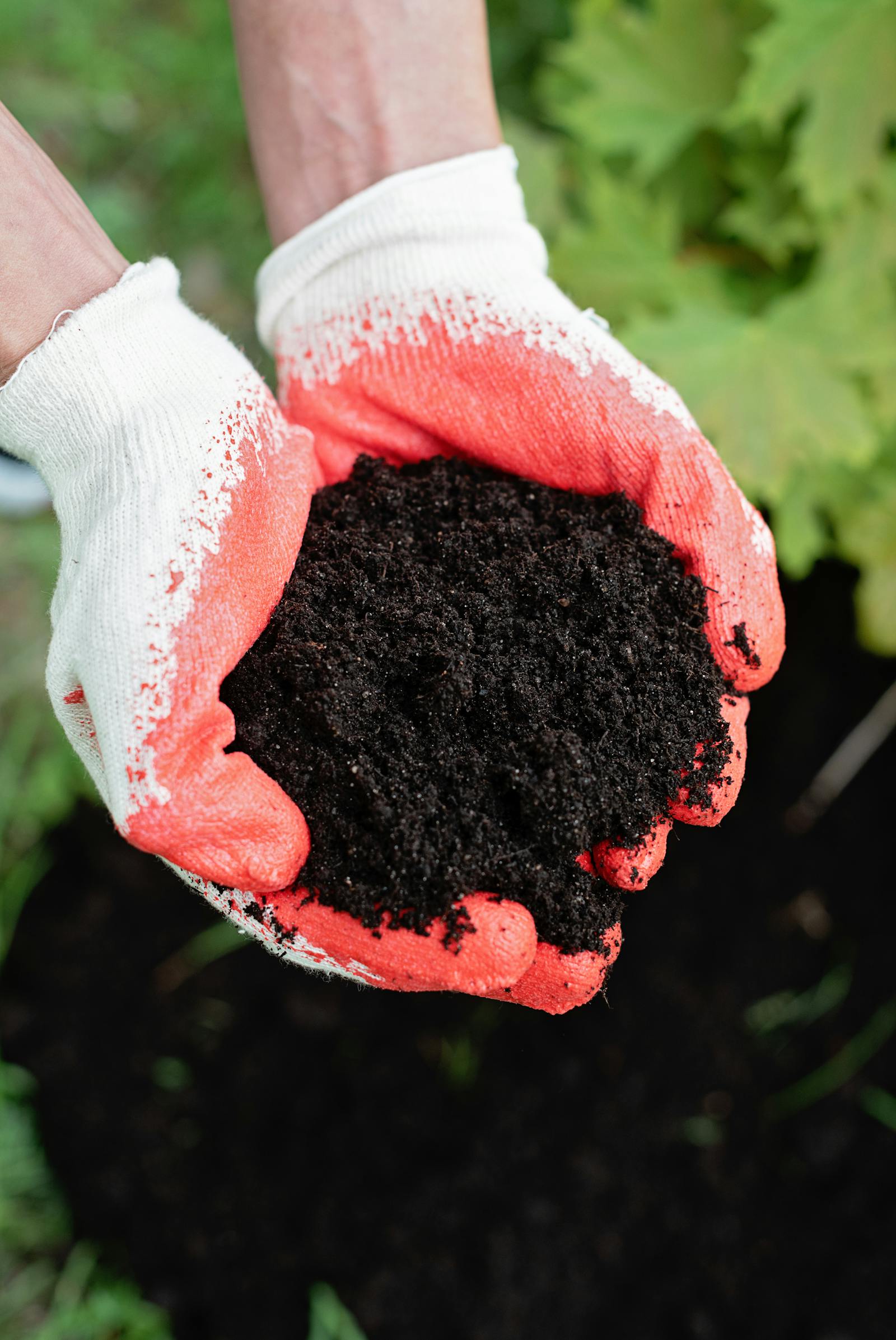
The thing to notice: real potting mix often contains no actual soil. The word “soil” in “potting soil” is more of a category label than a literal description. Most modern potting mixes are a blend of organic material (peat, coir, compost) and inorganic stuff (perlite, vermiculite) chosen specifically to behave well in a pot.
Anúncios
Why this difference matters so much
The problem with using garden soil in a pot comes down to drainage and air. In the ground, the natural soil structure – earthworms, root channels, decaying plant matter – keeps the soil loose enough for air and water to move through it. In a pot, that structure doesn’t exist. Garden soil compacts after a few waterings, drainage slows, and the roots end up sitting in soggy, oxygen-starved conditions. They rot.
Potting mix is engineered to keep its structure even after weeks of watering. The perlite (those white volcanic bits) prevents compaction. The peat or coir holds the right amount of moisture without becoming a swamp. Air pockets stay where you need them – around the roots, where the plant breathes.
The hidden players: perlite, vermiculite, peat, and coir
These show up on the back of every potting mix bag, and most beginners have no idea what they actually do. The short version:
- Perlite – the small white volcanic-rock pieces. Creates air pockets so roots can breathe and water can drain. Without perlite, potting mix would slowly turn into mud.
- Vermiculite – looks like flaky gold-brown bits. Holds water and slowly releases it. Useful for plants that like consistent moisture (most leafy greens, ferns).
- Peat moss – the dark, fibrous, slightly fluffy material. Holds water and gives the mix its structure. There are environmental concerns about peat harvesting; coir is the most common sustainable alternative.
- Coco coir – made from the husks of coconuts. Functions similarly to peat moss, holds more water, and is generally considered more sustainable.
- Compost / aged bark – adds gentle nutrients and improves the long-term structure of the mix.
“Topsoil,” “garden soil,” “potting soil” – decoding the bag labels
The labels at a hardware store are not consistent. Here’s a rough translation:
| Label | What it usually is | Use it for |
|---|---|---|
| Potting mix / Potting soil | Soilless blend designed for containers | Any pot or container |
| Garden soil | Blend of natural soil + compost | Filling in raised beds or amending in-ground gardens |
| Topsoil | Natural soil, often unsifted, variable quality | Filling holes, levelling lawns – not for plants in pots |
| Compost | Fully decomposed organic matter | Mixing into garden beds or as an amendment |
| Seed-starting mix | Very fine, sterile, low-nutrient blend | Starting seeds before transplanting |
“Topsoil” in particular is a common trap. It’s cheap and looks similar to potting mix in the bag. Inside a container, it becomes a brick.
Specialty mixes – do you need them?
You’ll see mixes labelled for specific plants: cactus mix, orchid mix, African violet mix, citrus mix, and so on. Are they necessary?
For your first year of gardening, no. Generic potting mix works for the vast majority of beginner plants – basil, herbs, tomatoes, peppers, lettuce, marigolds, pothos, snake plants, peace lilies, almost anything you’re likely to buy at a general garden centre.
The two times specialty mix actually matters:
- Succulents and cacti. They genuinely need a faster-draining mix than regular potting soil. You can buy “cactus mix” or amend regular mix with extra perlite or coarse sand at about 1 part perlite/sand to 2 parts potting mix.
- Orchids. They grow in bark, not soil. Putting an orchid in standard potting mix is one of the fastest ways to kill it.
Almost every other “specialty” mix is convenience rather than necessity. A general-purpose mix plus the right watering will get most plants where they need to go.
How much potting mix do you actually need?
People consistently buy too little. Pots take more soil than they look like they should. A rough guide:
- 6-inch pot – about 1 quart (1 litre) of mix
- 8-inch pot – about 1 gallon (4 litres)
- 10-inch pot – about 2 gallons (8 litres)
- 12-inch pot – about 3 gallons (12 litres)
- Window box (24 inches long) – about 2–3 gallons (8–12 litres)
A standard 1.5 cubic foot bag of potting mix (around 11 gallons / 42 litres) fills roughly four to six medium-sized pots. Buy the bigger bag – you’ll use it.
Can you mix garden soil with potting mix?
Technically yes, but you usually shouldn’t, and the reasons matter.
Mixing garden soil into potting mix gives you the worst of both: the weight and compaction problems of garden soil, plus the cost of potting mix. If you’re trying to stretch a small bag of potting mix to fill a large pot, a better approach is to fill the bottom third with bulky organic material (small bark pieces, dry leaves, a layer of inverted small pots) and use potting mix only in the top two thirds where the roots actually live.
For in-ground beds, mixing some bagged garden soil and compost into your existing native soil is totally reasonable and often helpful – it loosens dense clay soil and improves fertility. But that’s a different context entirely.
The drainage question (or: why even the right soil won’t save a bad pot)
The right potting mix gets you most of the way. The pot itself has to do its part too. Three things matter:
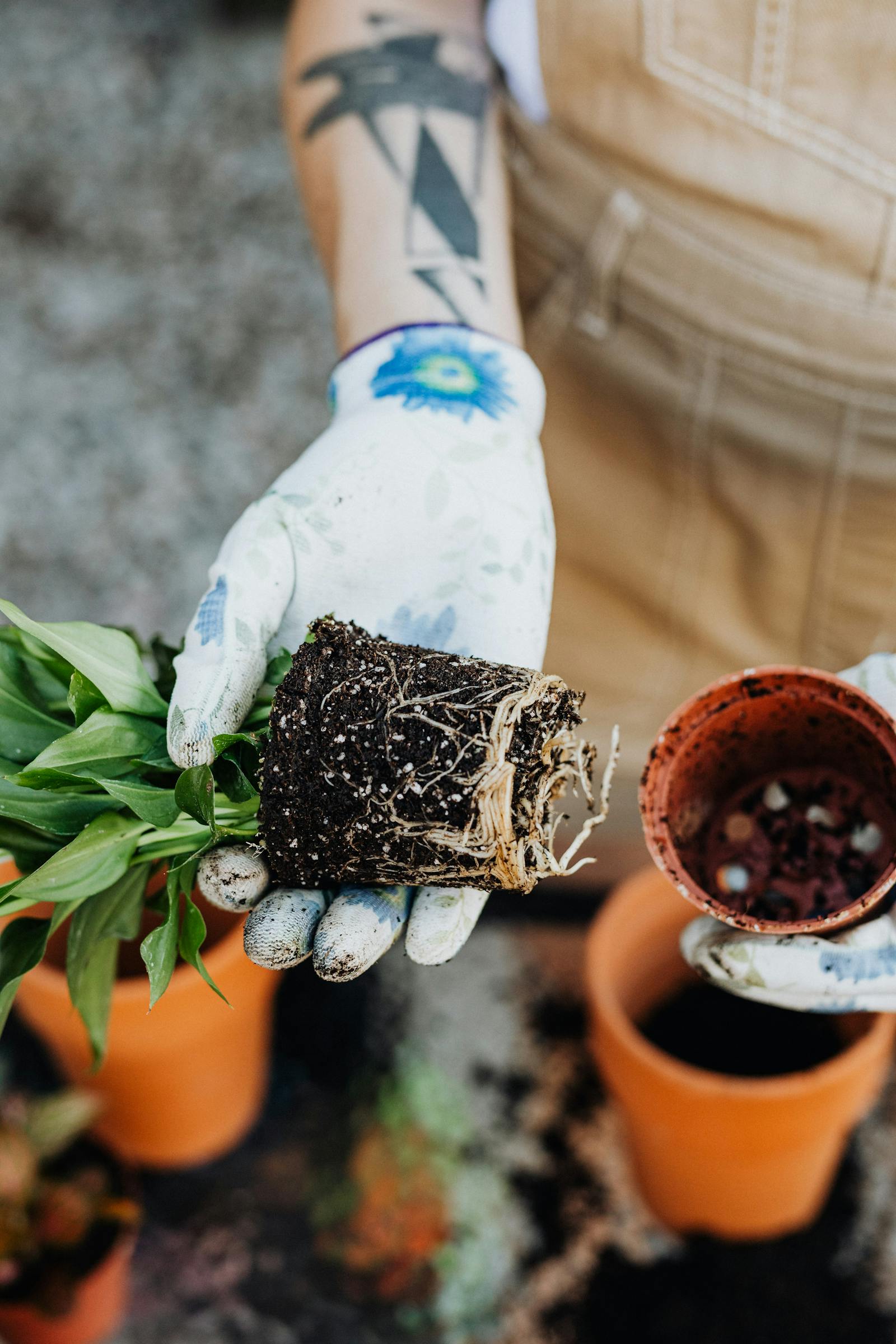
- The pot has drainage holes. No drainage = no amount of good soil will save you. Decorative pots without holes are for cover-pots – put your real pot inside them, water from the top, lift to drain.
- The drainage holes aren’t blocked. Don’t add a layer of gravel at the bottom – modern research shows this actually impairs drainage rather than helping. A simple piece of mesh or a coffee filter over the drainage hole keeps soil from washing out.
- The pot is sitting where water can escape. A pot in a saucer of standing water defeats the drainage holes entirely. Empty saucers after watering.
For more on choosing the right container, see our balcony garden guide, which has a section on container types.
How long does potting mix last?
One growing season for vegetables; one to two years for most houseplants. After that, the mix breaks down, compacts, and loses its structure – even with the best ingredients.
You don’t have to throw it out entirely. A common approach is to top up: when you repot a houseplant or refresh a vegetable container at the start of a season, mix in about 30–50% fresh potting mix with the old. For containers you suspect of root rot or disease, start fresh – the cost of a new bag is cheaper than another dead plant.
So which one should you buy?
For 95% of beginners, the answer is simple:
- Buy a bag of general-purpose potting mix for any plant in a container.
- If you’re starting seeds, also pick up a small bag of seed-starting mix (or use plain potting mix as a serviceable substitute).
- If you’re planting directly in the ground, use your native soil amended with compost, not bagged “garden soil.”
That’s it. You can ignore most of the other bags. Save the specialty mixes for later, when you’re growing succulents or orchids or have an oddball plant that demands them.
The bottom line
Potting soil and garden soil look similar in the bag, but they behave like completely different materials in a pot. Garden soil compacts, drains poorly, and slowly suffocates roots in containers. Potting mix is built for the way water and air actually move through a pot. For anything growing in a container, always pick the right side of that line.
If you’ve been losing potted plants and couldn’t figure out why, this is the second most likely cause after overwatering. (For overwatering and the rest of the classic mistakes, see our breakdown of 15 beginner gardening mistakes.) Switch to a good potting mix, make sure your pot drains, and a lot of stubborn problems quietly fix themselves.
See also: the role mulch plays in container gardens.