Anúncios
Of every plant I’ve ever grown, lettuce gives the highest return for the least effort. A $3 packet of seeds yields enough salad for an entire summer. The plants are forgiving, productive, and harvest-ready within a month. And homegrown lettuce – especially in cooler weather – is genuinely a different vegetable from the watery, pre-bagged stuff at the supermarket.
If you’ve never grown anything from seed and want a quick win, start here. This is the gentlest possible introduction to growing your own food.
Anúncios
What you’ll need
- A wide, shallow container – lettuce roots stay near the surface, so width matters more than depth. A 4-6 inch deep window box or shallow pot is perfect.
- Standard potting mix.
- A packet of lettuce seeds, or a few small seedling plants.
- A spot with 4-6 hours of sun (lettuce tolerates partial shade much better than most vegetables).
Total budget: $15-25 if starting from scratch. The seeds alone will give you lettuce for years.
Pick your variety
There are three main types, all easy.
- Looseleaf: the absolute easiest. Doesn’t form a head; you pick leaves as they grow. Varieties: ‘Salad Bowl,’ ‘Black Seeded Simpson,’ ‘Red Sails.’ Highly recommended for beginners.
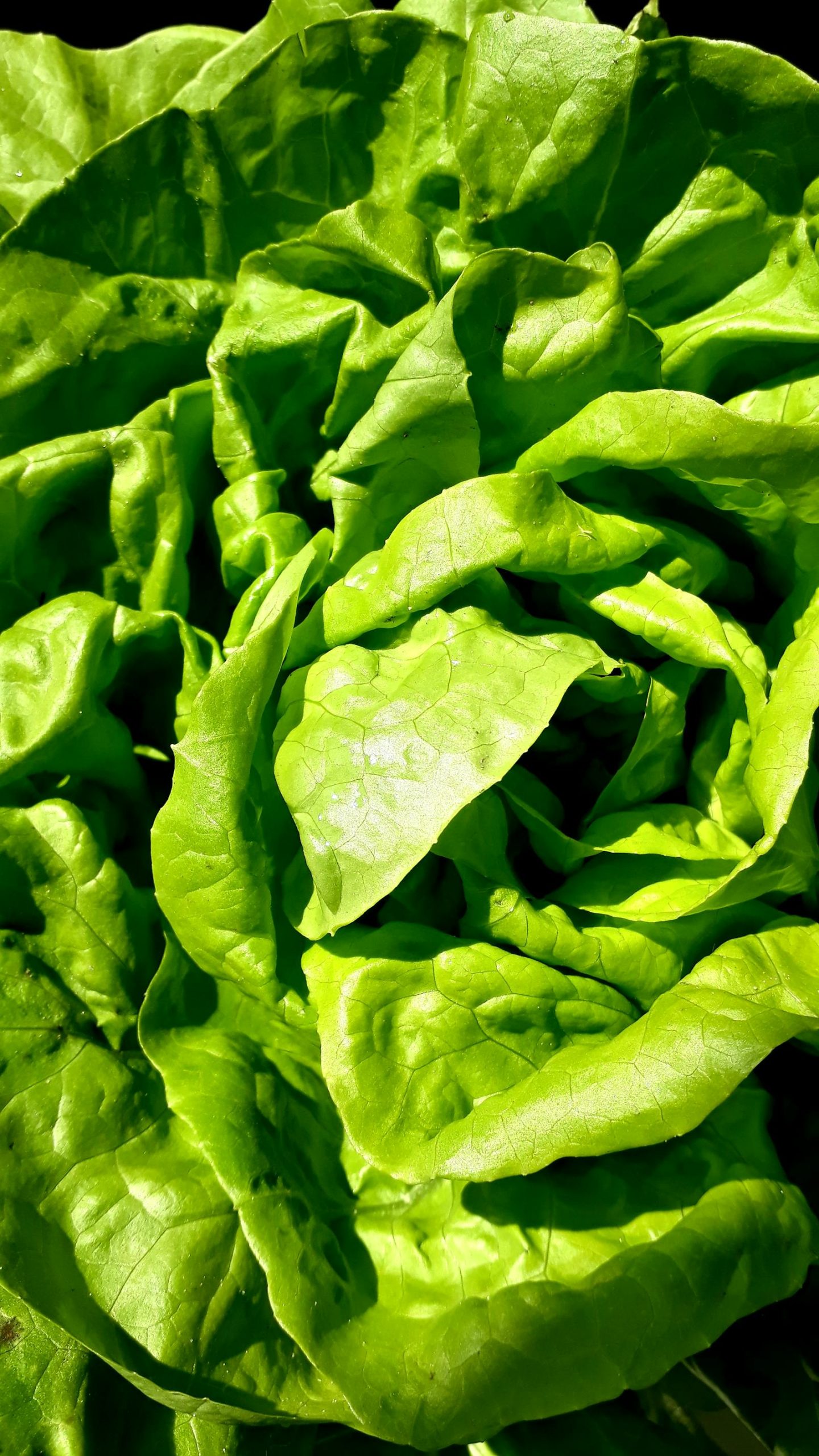
- Butterhead (bibb, Boston): soft round heads with tender leaves. Slower-growing but lovely. Varieties: ‘Buttercrunch,’ ‘Tom Thumb.’
- Romaine (cos): upright tall heads. Crunchy. Takes a bit longer. Varieties: ‘Little Gem,’ ‘Parris Island Cos.’
For container growing, looseleaf is almost always the best choice. You can keep harvesting from the same plants for weeks rather than cutting a whole head and starting over.
Anúncios
Planting from seed
This is the easy route. Lettuce seeds germinate fast (4-10 days) and tolerate cool weather better than most vegetables.
- Fill your container with potting mix to an inch below the rim.
- Sprinkle seeds across the surface in a thin layer – aim for maybe one seed every 2-3 inches.
- Cover with a 1/4 inch layer of soil. Lettuce seeds want a thin cover; deep burial reduces germination.
- Water gently with a fine spray to settle the soil without washing seeds away.
- Keep the soil damp until seedlings appear (4-10 days). A piece of clear plastic loosely over the container helps retain moisture during germination.
- When seedlings are about 2 inches tall, thin them to 4-6 inches apart by snipping the smallest ones at soil level.
Planting from seedlings
If you don’t want to bother with seeds (or it’s already mid-season), buy small lettuce seedlings from a garden centre. Plant them 4-6 inches apart in your container. Water in gently. They’ll be ready to start harvesting within 2-3 weeks.
Sun and temperature
Lettuce loves cool weather. It germinates at 50-65°F (10-18°C) and grows best in similar temperatures. In hot weather (above about 80°F / 27°C), lettuce starts to bolt – sending up a flower stalk and turning bitter.
What this means for sun exposure:
- Spring and fall: full sun is fine. Lettuce wants warmth at these times.
- Summer: partial sun is better. 4-5 hours of morning sun, then shade in the afternoon, prevents bolting.
- Indoors: any sunny windowsill works. Lettuce on a windowsill is one of the simplest indoor edible projects.
East-facing balconies and partial-sun spots are actually ideal for lettuce – it’s one of the few crops that prefers them.
Watering
Lettuce wants consistent moisture. The shallow root system means containers can dry out quickly, especially on a sunny day. The rule:
- Check daily in warm weather.
- Water when the top of the soil starts to look dry.
- Water at the soil level – wet leaves invite mildew.
- Avoid wild swings – lettuce stressed by drought becomes bitter.
Mulching the soil surface with a thin layer of small pebbles, fine bark, or shredded leaves slows evaporation and helps a lot in summer.
Harvesting (the bit beginners overthink)
This is where most home growers leave value on the table. The right way to harvest looseleaf lettuce:
- Pick outer leaves, leaving the centre to keep growing. New leaves form from the centre of the plant.
- Start when the plant is around 4-5 inches tall. Don’t wait for “full size.”
- Harvest in the morning when leaves are crispest.
- Take what you need; come back in 3-5 days for more.
For butterhead and romaine varieties, you have two options: harvest outer leaves the same way as looseleaf (extends the plant’s life) or wait for a full head to form and cut the whole thing at the base. The cut-and-come-again method generally gives more salad per plant over a season.
How to use what you harvest
Lettuce wilts fast after picking. Best practices:
- Harvest just before you need it for the freshest texture.
- If you need to store, rinse the leaves, dry them gently (a salad spinner is invaluable), and store in a container with a paper towel in the fridge. Lasts 5-7 days.
- Don’t wash until ready to use – moisture on the leaves accelerates spoilage.
Common problems
| What’s happening | Cause | Fix |
|---|---|---|
| Plants growing tall with a flower stalk in the middle | Bolting (going to seed) | Hot weather. Harvest the rest immediately – it gets bitter fast. Plant a new batch in cooler weather. |
| Bitter taste | Heat stress, drought, or bolting | Water more consistently; move to partial shade; pick younger leaves |
| Slow germination or no seedlings | Seeds buried too deep, or soil too hot | Sow shallower (1/4 inch); shade pot until seedlings appear |
| Tiny holes in leaves | Slugs, snails, or caterpillars | Inspect at dusk; pick pests off by hand |
| Yellow lower leaves | Overwatering or running out of nutrients | Check drainage; consider a light feed of diluted liquid fertilizer |
| Whitish powdery coating on leaves | Powdery mildew | Improve air circulation; water at soil level not on leaves; remove affected leaves |
Fertilizing
Lettuce isn’t a heavy feeder, but container plants do run out of nutrients eventually. A diluted liquid fertilizer (half strength) every 3-4 weeks during active growth keeps leaves tender and productive. Or top up with a thin layer of compost when you reseed.
The succession planting plan
This is the secret to having salad continuously. Instead of planting one big batch:
- Sow a small handful of seeds today.
- 2-3 weeks later, sow another small batch.
- Continue every 2-3 weeks throughout the cool growing season (spring and fall).
- Pause in midsummer (too hot for many varieties).
- Restart in late summer/early fall for an autumn crop.
With this approach, a single window box can keep you in fresh salad most of the year – and a one-time seed packet investment lasts years.
What grows alongside lettuce
Lettuce makes a great container partner with other cool-season greens. Combinations that work:
- Lettuce + spinach + arugula in a single window box.
- Lettuce + radishes (which mature faster and create space as you harvest them).
- Lettuce in front of taller plants like cherry tomatoes (the tomatoes provide afternoon shade in summer).
For more on container combinations and pot sizing, see our pot size guide and soil guide.
The short version
Lettuce is the gateway vegetable. Easy from seed, fast to harvest, productive across a long season, and a real upgrade over store-bought. For new growers – especially anyone with a balcony or windowsill – it’s the single best first crop to attempt.
For other beginner-friendly edibles, our balcony herbs guide is the natural pairing. And if you want to keep adding to your edible garden, see the best plants for a small balcony.