Anúncios
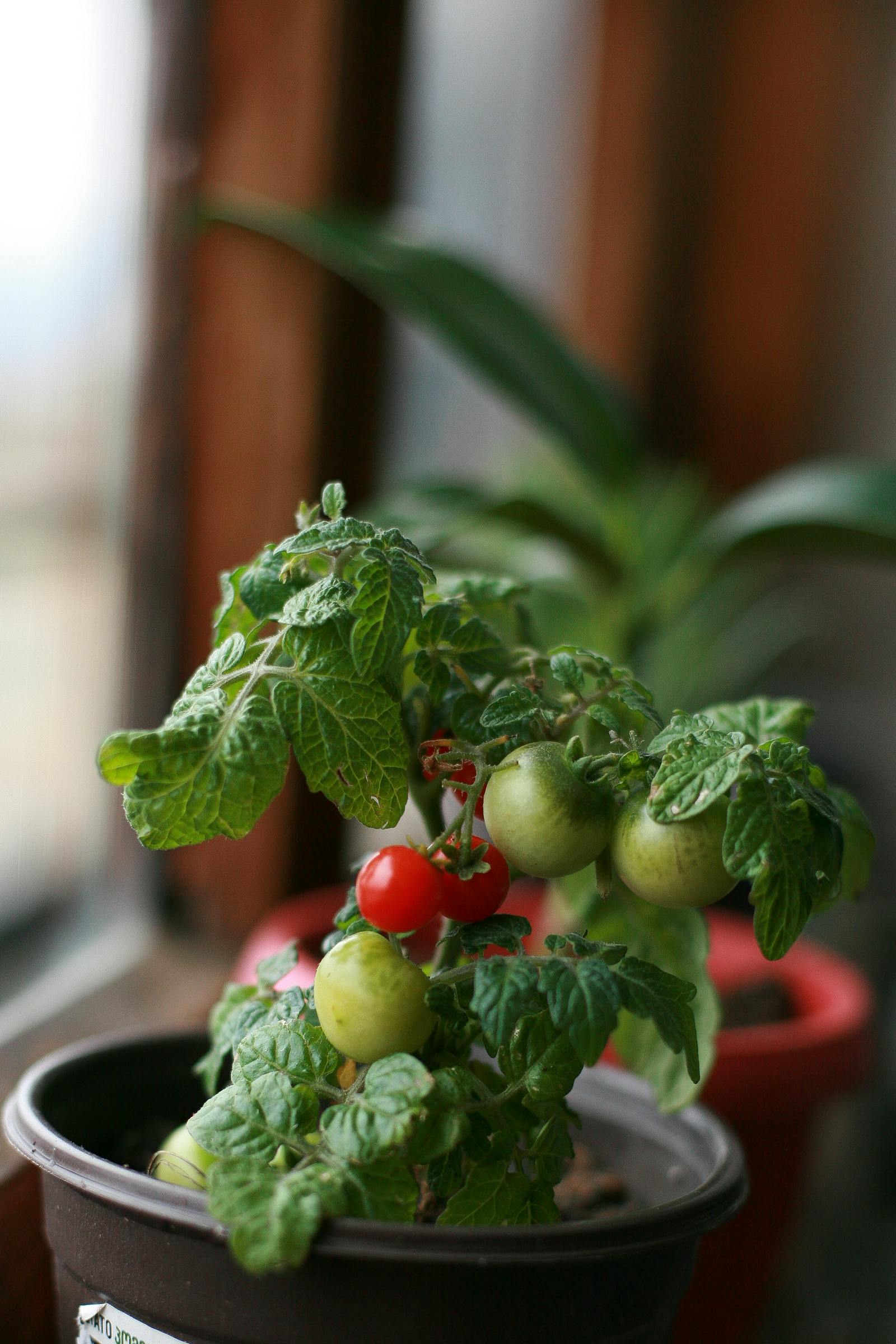
A homegrown cherry tomato bears almost no resemblance to a supermarket one. The flavour is sweeter, the texture firmer, the colour more intense. And growing them in a pot – on a balcony or patio – is genuinely doable for beginners. With a few key decisions made right at the start, you can pull a handful of cherry tomatoes off your own plant every few days through summer.
Here’s the no-fluff version of how to do it.
Anúncios
Pick a compact variety
Not every tomato is built for pots. The “indeterminate” varieties grow into 6-foot vines and need serious staking. For containers, choose compact “determinate” or “bush” varieties:
- ‘Tumbler’ – bred specifically for hanging baskets and pots. Trails attractively.
- ‘Tiny Tim’ – dwarf variety, stays under 18 inches tall.
- ‘Patio Princess’ / ‘Patio’ – genuinely container-bred.
- ‘Sweet 100’ – longer vine but extremely prolific with staking.
- ‘Sun Gold’ – yellow-orange, exceptional flavour, mid-size plant.
- ‘Cherry Cascade’ – trailing, made for baskets.
The variety matters more than people realize. A ‘Tumbler’ in a 10-inch pot is happy; a regular full-size ‘Beefsteak’ in the same pot is miserable.
Pot size and setup
- Pot size: 10-12 inches minimum, 14+ inches better. Deeper than wider. Drainage holes essential.
- Soil: general-purpose potting mix with extra compost mixed in if you have it.
- Sun: 6+ hours of direct sun per day. Tomatoes are sun-hungry.
- Location: south or west-facing, sheltered from strong wind.
- Support: a small tomato cage or 3-4 foot bamboo stake. Place at planting time – inserting it later damages roots.
For more on container basics, see pot size guide and potting soil vs garden soil.
Anúncios
From seedling to plant
For beginners, buying a small seedling from a garden centre is much easier than starting from seed. Look for:
- Compact, sturdy stem (not stretched)
- Bright green leaves
- No flowers or fruit yet (a seedling already fruiting has been in the small pot too long)
- Roots not coming out the bottom of the nursery pot
Plant the seedling deep – bury the stem up to the bottom set of leaves. Tomatoes are unusual in that they grow roots from any buried stem section, which gives the plant a stronger root system. For more on this, see seeds vs seedlings.
Watering tomatoes in pots
This is where most container tomatoes go wrong. The rules:
- Water consistently. Tomatoes hate wild swings between bone-dry and saturated. Inconsistent watering causes blossom end rot (the black sunken patches you sometimes see on the bottom of tomatoes).
- Water deeply. Shallow watering encourages shallow roots that dry out fast. Water until it runs out the drainage holes.
- In summer, daily watering is normal. Sometimes twice daily for smaller pots in heat.
- Water at soil level, not on leaves. Wet leaves invite fungal diseases.
- Mulch the soil surface with bark or pebbles to slow evaporation.
Self-watering containers are a beginner’s secret weapon for tomatoes – they buffer the dry-fast swings dramatically. See how often to water plants for the broader picture.
Fertilizing
Tomatoes are heavy feeders. Start fertilizing 4-6 weeks after planting:
- Balanced liquid fertilizer (10-10-10 or similar) at half strength every 2 weeks during early growth.
- Once flowers appear, switch to a “tomato” or “bloom” fertilizer with higher phosphorus and potassium (lower nitrogen). Continue every 1-2 weeks through fruiting.
- Don’t fertilize a stressed or dry plant. Water first.
Over-fertilizing leads to lots of leaves and few tomatoes. Stick to the dilution.
Pruning suckers
Indeterminate tomato varieties send out “suckers” – small shoots growing from the crook between the main stem and a leaf branch. For container tomatoes, pinching off these suckers focuses the plant’s energy on fruit rather than vegetative growth.
To prune:
- Identify the suckers (small shoots in the V between main stem and leaf).
- Pinch off any that are smaller than 2 inches long.
- Do this every 1-2 weeks during active growth.
For determinate / bush varieties (like ‘Tumbler’, ‘Tiny Tim’), you don’t prune suckers – they need them. Only prune indeterminate varieties.
Common cherry tomato problems
| Problem | Cause | Fix |
|---|---|---|
| Lots of flowers, no fruit setting | Lack of pollination or extreme heat | Shake flower clusters daily; provide shade in extreme heat |
| Black, sunken patches on bottom of fruit | Blossom end rot (calcium issue from inconsistent watering) | Water more consistently; mulch soil; consider self-watering pot |
| Yellowing lower leaves | Nutrient deficiency or overwatering | Fertilize; check drainage |
| Cracked or split fruit | Sudden water swing after dry spell | Water more consistently |
| Tiny holes in leaves; pests visible | Aphids, hornworms, etc. | Spray with insecticidal soap; inspect under leaves |
| Tall plant, sparse fruit | Too much nitrogen; not enough light | Reduce fertilizer; move to brighter spot |
Harvesting
Pick cherry tomatoes when they’re fully coloured (red, yellow, or orange depending on variety) and slightly soft to the touch. A gentle twist usually releases them from the stem.
Harvest regularly – daily during peak season. Leaving ripe fruit on the plant signals to it to slow down production. Picking encourages more flowering.
Store harvested cherry tomatoes at room temperature for best flavour. Refrigeration dulls the taste significantly.
End of season
Tomatoes are annuals in cold climates. When first frost approaches:
- Harvest all the ripe fruit.
- Pick any green tomatoes for indoor ripening (they’ll turn red on a windowsill over 1-2 weeks).
- Compost the plant.
- Save seeds from particularly good fruit if you want to grow the same variety next year.
The short version
Cherry tomatoes are one of the best return-on-effort crops for container gardeners. One compact plant in a 12-inch pot, on a sunny balcony, with consistent watering and biweekly feeding, will produce dozens of tomatoes through summer. The flavour upgrade alone makes them worth it. Add the satisfaction of growing your own food and they become a genuinely rewarding part of summer.
For the wider context, see balcony vegetable garden and best plants for a small balcony.