Anúncios
The little plastic tag stuck into every garden centre pot is one of the most useful pieces of free information in gardening. Almost everyone ignores it. Here’s what’s actually on it – and how to use it before you buy.
The icons (this is where most people get confused)
Sun symbols
Tags show one of three icons (sometimes more):
Anúncios
- ☀️ Full sun: 6+ hours of direct sunlight per day.
- 🌤️ Partial sun / partial shade: 3-6 hours of direct sun.
- 🌫️ Full shade: Under 3 hours of direct sun; bright indirect light.
Some tags use a sun cut into halves or quarters to show variation. Match the symbol to your spot – this is the single most important match.
Water droplets
- 💧 (one drop): low water needs. Drought-tolerant.
- 💧💧 (two drops): moderate moisture.
- 💧💧💧 (three drops): consistent moisture; don’t let dry out.
Height and spread
Usually shown as “H × W” in inches or centimeters. The mature size, not the size you’re buying. A “3 ft × 2 ft” plant in a 4-inch nursery pot will outgrow your small balcony.
Hardiness zone
Often a number like “Zones 5-9.” See our hardiness zone guide. If you’re outside the listed range, the plant will struggle.
Anúncios
Beyond the icons
The text on the tag is just as important:
- Botanical name (in italics): e.g. Ocimum basilicum. Use this when researching online – common names are inconsistent.
- Variety name: e.g. ‘Genovese’ for sweet basil, ‘Cherry Falls’ for trailing tomato. Tells you the specific cultivar.
- Bloom time: spring, summer, fall. Important for ornamentals.
- Bloom colour: sometimes shown as a colour swatch.
- “Annual” or “Perennial”: annual = one season, perennial = returns year after year.
How to use the tag before you buy
The checklist at the garden centre:
- Sun match: Will my spot give this plant the sun it needs?
- Mature size: Do I have room for the plant once it grows up?
- Hardiness: Will it survive my winters (if planting outdoors)?
- Water needs: Does my schedule match?
- Bloom time: When do I want colour or harvest?
If any answer is “no” or “I don’t know,” put it back. There’s always another plant.
Keep the tag
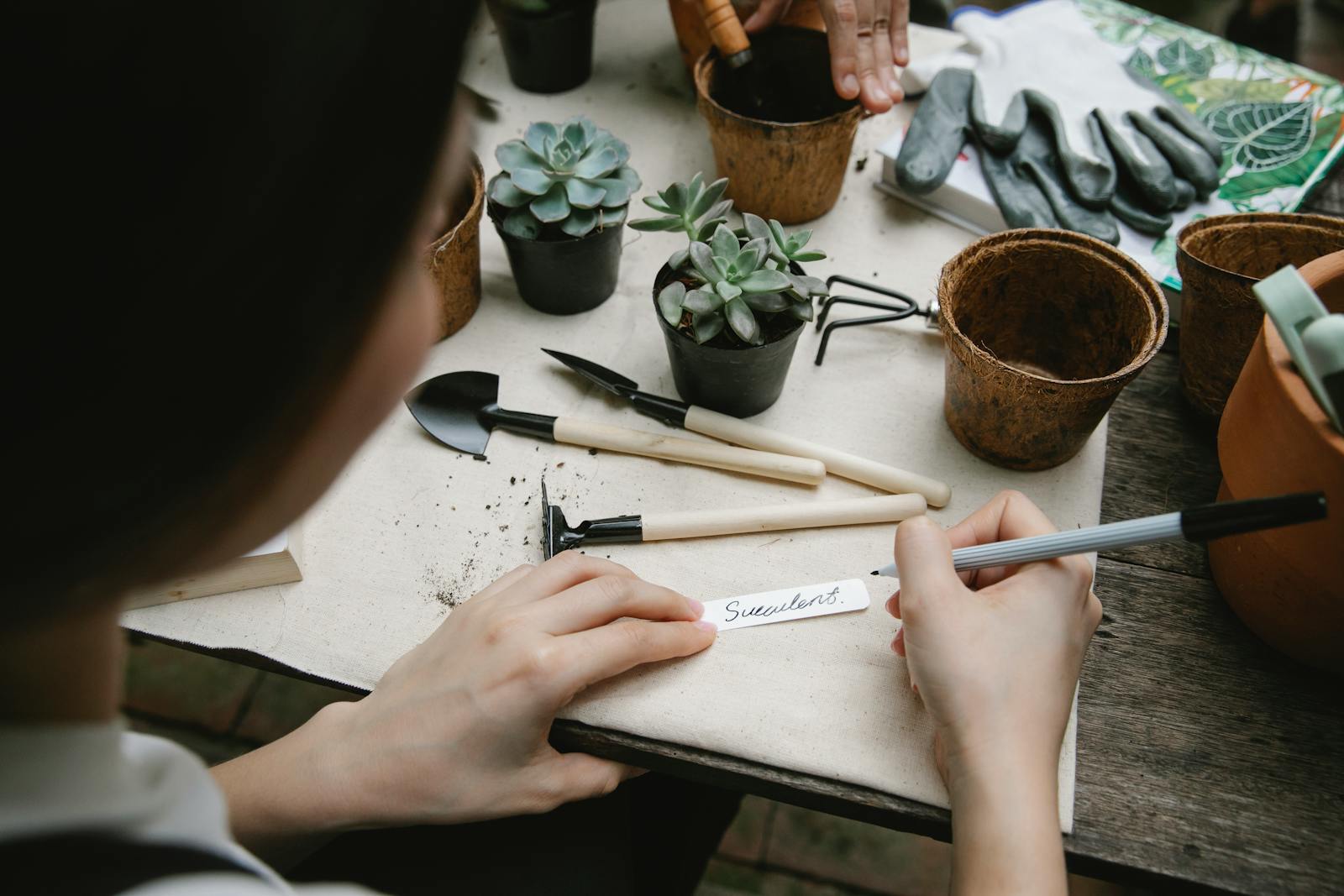
Once you’ve bought the plant, don’t throw the tag away. Stick it in the pot for the first few months. When you forget what variety of basil you bought (you will), the tag tells you. When you need to look up specific care, the botanical name and variety let you search precisely.
For long-term storage, photograph the tag with your phone and keep a “plant inventory” album.
Decoding common abbreviations
- cv. or ‘Name’: cultivar – a specific cultivated variety.
- F1: first-generation hybrid. Often more vigorous; seeds usually don’t come true.
- P. patent / PPAF: plant patent; you can grow it but can’t sell propagations.
- Heirloom: open-pollinated variety usually 50+ years old.
- Determinate / Indeterminate (tomatoes): bush vs. vining; bush varieties work better in pots.
The bottom line
Plant tags are the cheapest gardening reference you’ll ever get – they’re free with every plant. Read them at the shop before buying, keep them after, and reference them when things go wrong. For more on choosing the right plants, see 7 easiest plants for absolute beginners and seeds vs seedlings.
The hidden tags: shop labels vs grower labels
There are usually two layers of information on garden centre plants – the official grower tag (stuck in the pot) and any shop labels or stickers added later. Read both:
- Grower tag: the authoritative source. Contains botanical name, variety, mature size, sun, water, and hardiness information.
- Shop label: usually just the price and sometimes a generic “house plant” or “outdoor plant” category. Less precise but tells you what aisle the plant was in.
If the grower tag is missing – common with bulk-sold seedlings – ask staff or look up the botanical name on your phone before buying. Tagless plants are higher risk because care info is missing.
Pet-safety information that isn’t on the tag
Plant tags almost never mention pet toxicity. Common houseplants like pothos, peace lily, and philodendron are sold widely with no warning about cat or dog toxicity. Before bringing any new plant home, check:
- ASPCA toxic plant database (free online lookup).
- Pet Poison Helpline plant lists.
- Quick search: “[plant name] toxic to cats.”
This 60-second check prevents emergency vet visits. For a curated list of pet-safe options, see best pet-safe houseplants.
Variety vs species: why it matters
Two basil plants on adjacent shelves might be ‘Genovese’ (the standard sweet basil for pesto) and ‘Thai’ (anise-flavoured, used in Southeast Asian cooking). Both are “basil” but they cook very differently. The variety name on the tag (in quotes after the common name) is what determines the actual product.
Same with tomatoes: ‘Cherry Falls’ (trailing, for hanging baskets) vs ‘Better Boy’ (large slicing tomato that needs staking and a 14-inch pot). Common name “tomato” is useless on its own.
What’s missing from most tags
Even good plant tags don’t usually include:
- Years to maturity (how long until a young plant looks full-sized).
- Specific watering frequency in your climate.
- Pruning needs and timing.
- Companion planting advice.
- Long-term care notes.
For these, the botanical name on the tag is your search key. A quick lookup gives you the deeper care info that the small printed label can’t fit.