Anúncios
The first time I tried to grow anything, I bought a small mint plant from a grocery store, brought it home, and watered it every day with the kind of dedication usually reserved for keeping a sourdough starter alive. Two weeks later it was a brown, slumped mess. I had no idea you could love a plant to death.
If you’re new to this, here’s the good news: there are plants that are almost impossible to kill. Not because they have magical powers, but because they evolved in tough conditions and don’t care if you forget about them for a while (or fuss over them too much, which is the more common beginner sin).
Anúncios
This is a list of the seven I recommend to every new gardener I meet. They cover indoor and outdoor, leafy and flowery, edible and just-to-look-at. None of them require special soil, special lighting, or special anything. Pick one, get a cheap pot, and start there.
1. Pothos (Epipremnum aureum)

If there is one plant that should exist in every beginner’s home before any others, it is pothos. It’s a trailing vine with heart-shaped leaves that look fancier than they are. It grows in low light, medium light, neglect, mild overwatering, mild underwatering, and the kind of indoor humidity that comes from leaving the dishwasher open.
Anúncios
I’ve seen pothos thriving in office bathrooms with one fluorescent tube. I’ve seen them ignored for three weeks and bounce back the same day they were watered. They are, frankly, kind of cheating.
What it needs: Any indoor light from low to bright indirect. Water when the top inch of soil is dry – usually every 7 to 12 days indoors. That’s it.
Why it’s almost impossible to kill: The leaves will literally tell you when something’s wrong. They droop dramatically when thirsty, perk back up within hours of being watered, and yellow only if you’ve been overwatering – which is the universal sign to back off.
2. Snake plant (Sansevieria / Dracaena trifasciata)
This is the plant for anyone who travels, forgets, or simply doesn’t want to think about their plant most of the time. The snake plant has tall, vertical leaves that look slightly architectural. It can survive being watered once every three to four weeks. In low light. In a corner.
The only way to kill it is to water it like you would a houseplant in a movie – soaking it daily, dramatically, with feeling. Its roots rot from too much moisture, and rotted snake plant roots are sad to witness.
What it needs: Almost any indoor light, including dim corners. Water deeply, then let the soil dry out completely before watering again. In winter, that can mean once a month.
Bonus: If you’re nervous about light specifically, our guide to the best low-light indoor plants covers snake plants and several other dim-room champions in more detail.
3. ZZ plant (Zamioculcas zamiifolia)
The ZZ is the close cousin of the snake plant in the “I dare you to kill me” category. It’s a glossy, deep-green plant that looks like it was drawn for an office reception. It stores water in its rhizomes, which means it really, genuinely doesn’t want you to water it often.
The most common mistake people make with ZZ plants is feeling guilty that they haven’t watered it in a while and then watering it. Don’t. The ZZ is happiest when you can feel slightly bad about how much you’re ignoring it.
What it needs: Low to medium indirect light. Water once every two to three weeks in summer, even less in winter.
4. Mint (Mentha)
The first edible plant on the list, and it earns its place by being the polar opposite of fussy. Mint is so eager to live that gardeners often have to fight to control it, not keep it alive. If you grow mint anywhere near an open garden bed, it will try to take over the entire bed – which is why most experienced growers recommend keeping mint in its own pot.
Even on a small balcony or a kitchen windowsill, a single mint plant will give you enough leaves for tea, salads, and the occasional cocktail, all year round.
What it needs: A pot with drainage holes, some sun (a few hours a day is enough), and watering when the soil feels dry to the touch. Don’t be afraid to harvest aggressively – cutting it back makes it grow bushier.
5. Basil (Ocimum basilicum)
I include basil even though it’s slightly less forgiving than mint, because almost everyone tries to grow it at some point – and most of them give up too early. A few small adjustments turn it from “died in three weeks” to a plant that produces more pesto than you can eat.
The most common basil mistake is the same as the most common everything mistake: overwatering. Basil likes sun and slightly drier soil than people assume. If you want the full play-by-play, we wrote a dedicated guide on how to grow basil at home, but the short version is: lots of sun, a pot with drainage, water only when the top of the soil is dry.
What it needs: At least 5–6 hours of direct sun. A pot at least 6 inches deep with drainage holes. Watering when the top inch of soil is dry.
6. Marigolds (Tagetes)
If you want flowers rather than leaves, start with marigolds. They are bright, slightly punk-rock orange and yellow, they bloom for months, and they actually deter some garden pests as a side benefit. They tolerate poor soil, occasional dry spells, and the general inattention of someone learning their way around a garden.
They’re also one of the cheapest things to grow from seed – a packet costs less than a coffee and gives you enough plants to fill a balcony.
What it needs: A sunny spot (at least 4–5 hours of direct sun). Water when the soil is dry an inch down. Deadhead spent blooms (pinch them off) to keep new flowers coming.
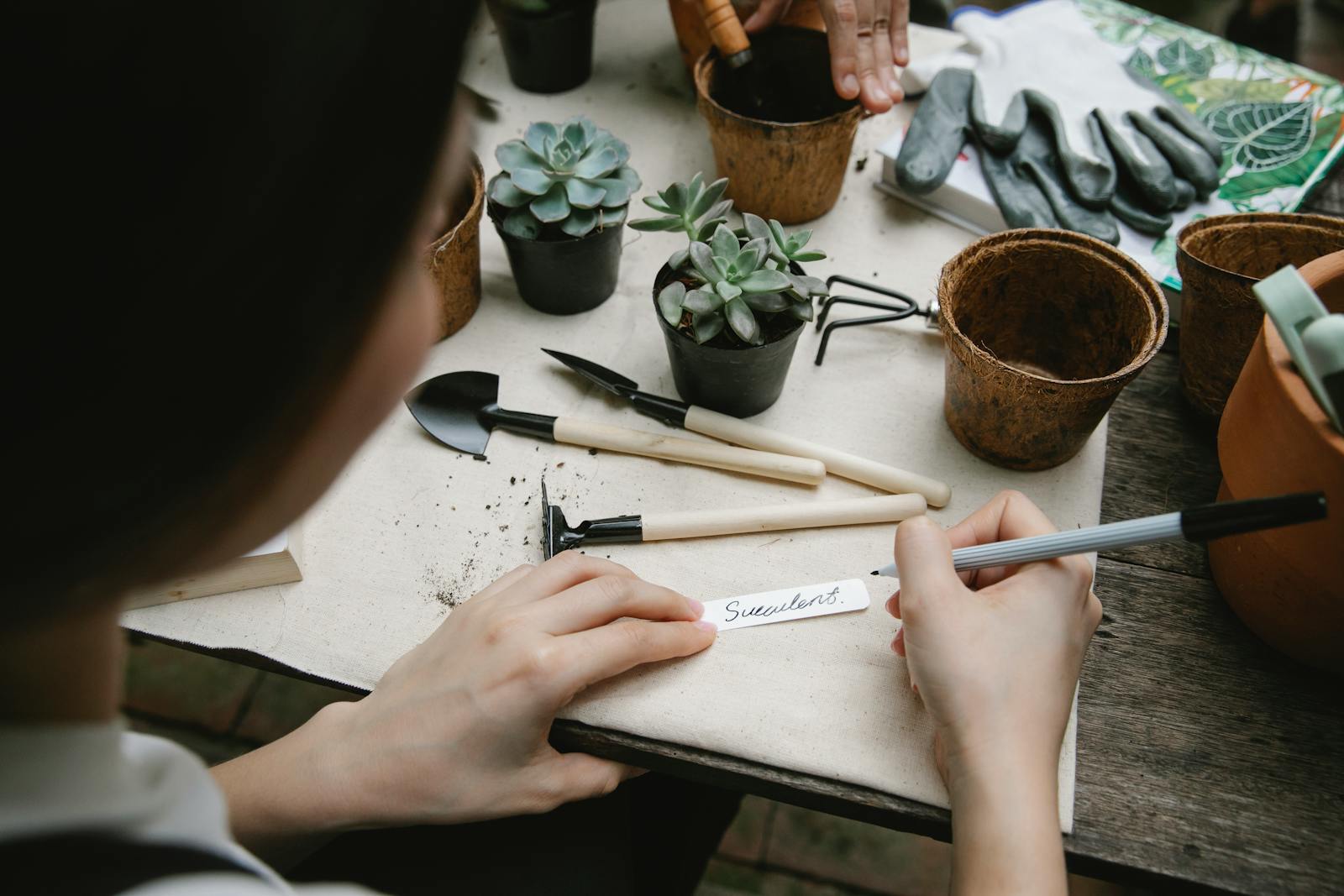
7. Succulents (in general – but start with a Jade or Echeveria)
Succulents have a reputation for being beginner-easy, which is mostly true with one important asterisk: they are extremely easy until they aren’t, and the moment they aren’t is almost always caused by overwatering. The fleshy leaves that make succulents look chunky and adorable are full of stored water; they really don’t need much more.
For your first one, I’d suggest either a small jade plant (looks like a tiny tree, almost impossible to dehydrate to death) or an Echeveria (rosette-shaped, photogenic, forgiving as long as you don’t water it weekly).
What it needs: Bright light (a south- or west-facing window is ideal). Water only when the soil is completely dry – typically every 10–14 days. Even less in winter.
How to pick the right one for you
If you’re still not sure which one to start with, here’s a rough decision table.
| Your situation | Start with |
|---|---|
| You travel often or forget watering | Snake plant or ZZ |
| Low light or a darker room | Pothos or snake plant |
| You want something to eat | Mint or basil |
| You want flowers | Marigolds |
| You only have a small sunny windowsill | Basil or a small succulent |
| You want a “set and forget” floor plant | ZZ or snake plant |
The one rule that beats everything else
You can ignore all of the advice above and still be a perfectly fine plant owner if you remember one thing: most plants would rather be slightly underwatered than slightly overwatered. If you’re not sure whether to water, wait a day and feel the soil first. Push your finger an inch into the pot – if it’s dry, water. If it’s still damp, come back tomorrow.
For more on this, our guide to potting soil covers why drainage is the silent hero of every beginner’s plant. And if your first plant doesn’t make it, that’s fine – almost everyone loses one or two before things click. The first plant is tuition. The second is when you start to feel like a gardener.
If you want to skip ahead to set up your space properly, our how to start a balcony garden guide covers everything from sun direction to weight limits to the pots that will and won’t survive a year on a windy ledge.
The bottom line
The “easiest” plant is the one whose ideal conditions match the space you already have. There’s no point fighting a sun-loving basil if your only window faces north – start with a pothos. There’s no point coaxing a snake plant into a bright greenhouse – give it the dim corner. Match the plant to the space, water less than you think you should, and you’ll be fine.
Pick one. Buy a small pot with drainage holes. Don’t overthink the soil for your first plant. And try not to feel too bad if the first one doesn’t make it – it almost certainly wasn’t your fault.
See also: regrowing green onions from kitchen scraps.