Anúncios
The single most confusing thing for beginners is that overwatering and underwatering look almost identical on the surface. Yellowing leaves. Drooping. A sad-looking plant. The same symptoms, opposite causes – and the wrong fix accelerates the damage.
This guide is the practical way to tell them apart. Once you can read the signs correctly, almost every plant becomes easier to keep alive.
Anúncios
The fastest test: feel the soil
Before anything else – before reading symptoms, before researching the species – check the soil.
- Push a finger 1-2 inches into the soil.
- Damp or wet? The plant is likely overwatered (or recently watered).
- Dry? The plant is likely underwatered.
- Slightly moist but firm? Watering is probably fine; something else is going on.
This one check resolves about 80% of confused cases. Read symptoms only after you’ve felt the soil.
Symptom comparison
The visible differences, side by side.
Anúncios
| Symptom | Overwatered | Underwatered |
|---|---|---|
| Drooping leaves | Soft, limp, slightly translucent | Firm but wilted; leathery |
| Yellow leaves | Starts at the bottom; soft and yellow throughout | Crispy yellow edges; rest of leaf often still green |
| Brown leaves | Soft, mushy, often near base or stem | Dry and crispy, especially at the tips |
| Soil | Damp, sometimes smells sour | Bone dry; may have pulled away from pot sides |
| Stems | Soft or mushy at the base, sometimes black | Firm but slightly limp; recovers when watered |
| Pot weight | Heavy; doesn’t lose weight between waterings | Very light when picked up |
| Recovery time | Slow if at all; rotted roots can’t be saved | Hours to a day after a good watering |
The give-away symptoms of overwatering
If you see any of these, water less:
- Multiple lower leaves yellowing and falling off. The most reliable early signal.
- Soft, mushy stems or leaf bases. Tissue is breaking down due to rot.
- A sour, slightly fermented smell from the soil. Anaerobic activity from rotting roots.
- White or yellow fuzz on the soil surface. Mold from chronically damp soil.
- Fungus gnats hovering around the soil. They breed in damp soil. See our guide on how to get rid of fungus gnats.
- Soil that stays damp for over a week after watering. Drainage is failing or the pot is too big.
The give-away symptoms of underwatering
If you see these, water more (or more deeply):
- Crispy brown edges on otherwise healthy leaves. Especially the older, lower leaves.
- Leaves wilting dramatically, then springing back within hours of watering. Classic.
- Dry, lightweight pot. Lift the pot – if it’s surprisingly light, the soil is dry.
- Soil pulled away from the sides of the pot. The soil has contracted as it dried.
- Water running straight through when you do water. Very dry soil can become hydrophobic and resist absorbing water. Solution below.
- Slow growth and small new leaves. The plant is conserving energy.
What to do if you’ve been overwatering
Catch it early and most plants recover. Steps:
- Stop watering immediately. Let the soil dry out completely.
- Move the plant to a brighter spot if light is limited – this speeds drying.
- Empty any saucer of standing water.
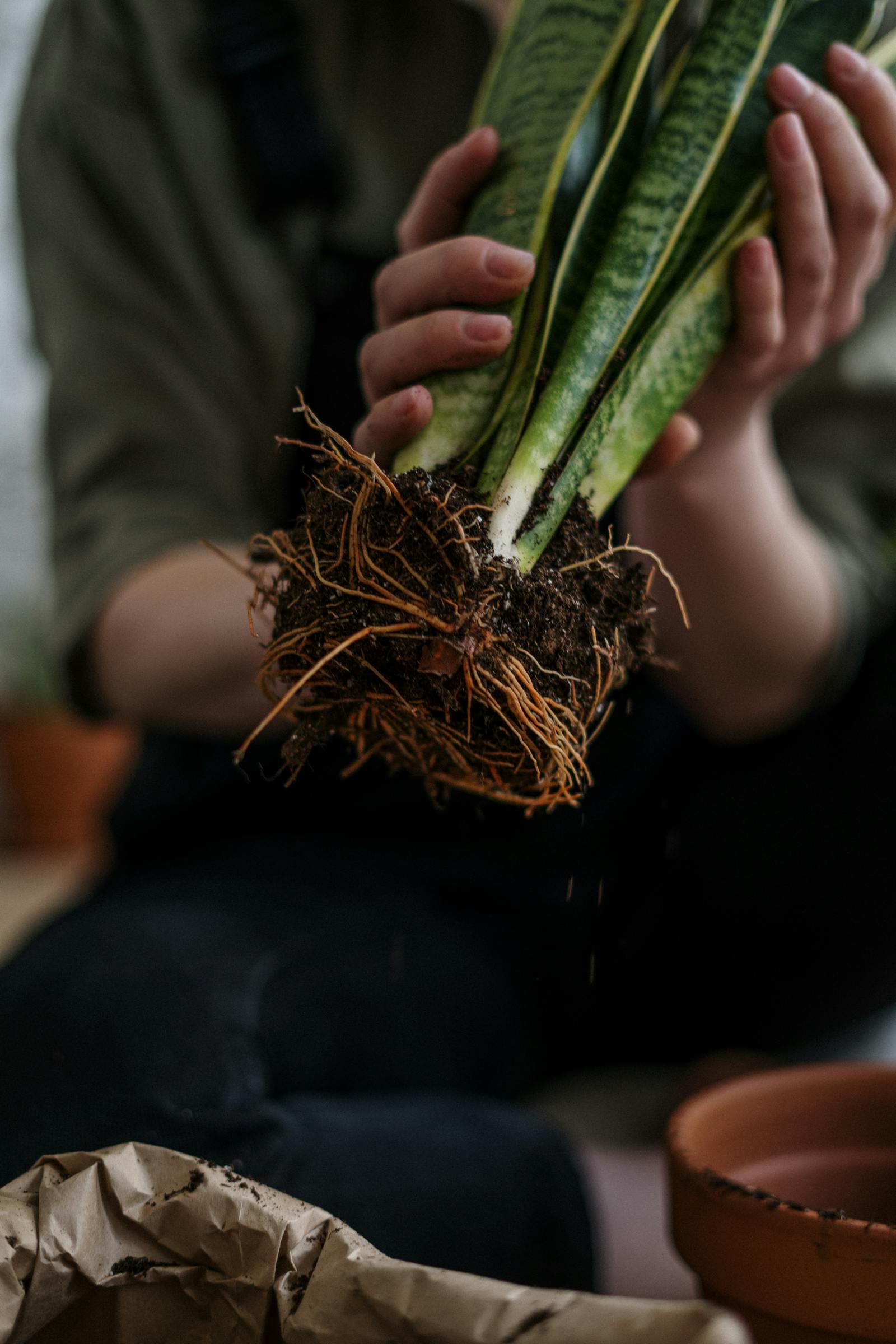
- If the soil is sopping wet and stays that way for over a week, unpot the plant. Knock or wash old soil off the roots.
- Inspect roots. Healthy roots are firm and white. Rotted ones are brown, black, or mushy. Cut rotted roots off with clean scissors.
- Repot in fresh, dry potting mix in a clean pot with drainage holes. Use a slightly smaller pot if many roots were lost.
- Don’t water for a few days. Then water lightly. Don’t return to your previous watering frequency.
For severely overwatered plants where most of the root system is rotted, the plant may not survive – but you can often save healthy cuttings to propagate.
What to do if you’ve been underwatering
Usually a much easier fix.
- If the soil is bone dry and water runs straight through, the soil has become hydrophobic – it’s repelling water rather than absorbing it.
- To rehydrate hydrophobic soil: set the pot in a basin of room-temperature water for 15-30 minutes. Water absorbs through the drainage holes and slowly rehydrates the dry root ball.
- Lift the pot out and let excess drain.
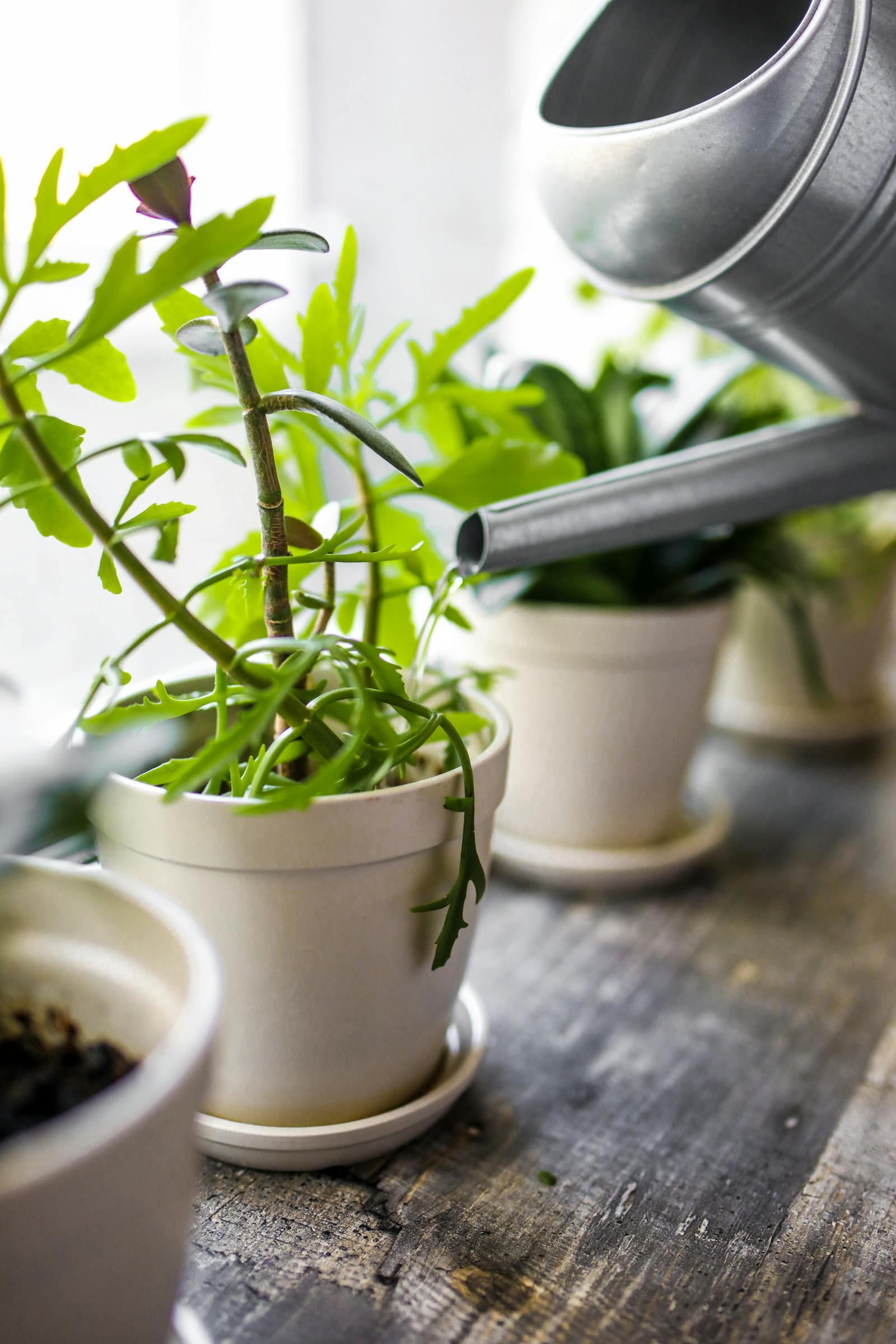
- Water deeply going forward – until water runs out the drainage holes.
- Watch for recovery. Most underwatered plants perk up within hours.
The “yellow leaves” diagnostic
Yellowing is the most common confusion. Read it carefully:
- Multiple lower leaves yellowing softly, soil damp: overwatering. Reduce frequency.
- One or two scattered leaves yellowing with crispy brown tips, soil dry: underwatering or dry air.
- Yellowing across the whole plant including upper leaves, but soil normal: possibly nutrient deficiency, light issues, or transplant shock – not watering.
- Mostly-green leaves but with yellowing veins: unlikely to be watering. Often a nutrient or pH issue.
The “drooping leaves” diagnostic
Same approach:
- Leaves drooping, soil damp, lower leaves yellow: overwatering. Roots failing.
- Leaves drooping, soil dry, leaves still firm: underwatering. Plant just thirsty.
- Leaves drooping, soil normal, recently moved or cold draft: possibly shock, not water.
Plants with confusing signals
A few species have specific quirks:
- Pothos: droops dramatically when thirsty. Looks alarming. Springs back within hours of watering. Easy to read.
- Peace lily: same – droops noticeably when thirsty, recovers fast. Almost a built-in moisture indicator.
- Calathea / Prayer plant: sensitive to tap water minerals – brown leaf tips can come from chlorinated water rather than watering frequency.
- Snake plant / ZZ: rarely shows visible thirst. The first sign of trouble is usually overwatering, not under.
- Succulents: wrinkled, soft leaves usually mean underwatered. Soft, mushy, translucent leaves mean overwatered (and rotting).
Building the right watering instinct
The fastest way to learn:
- Stop watering on a calendar. Always check soil first.
- Lift each pot once a week. Learn what dry vs damp feels like by weight.
- Note when each plant gets thirsty. Different plants on different schedules – that’s normal.
- Adjust seasonally. Less water in winter and low light.
For the full watering principles, our how often to water plants guide is the natural follow-up. And for the rest of the most common beginner pitfalls, see 15 beginner gardening mistakes.
The bottom line
Overwatering and underwatering produce similar surface symptoms but require opposite fixes – which is why beginners can quickly make things worse by reacting wrong. The reliable diagnosis is to feel the soil first, then read symptoms. Overwatering shows up as damp soil and soft, yellowing lower leaves. Underwatering shows up as bone-dry soil and crispy edges that revive after a good drink.
When in doubt, lean toward underwatering. Plants recover from drought more easily than they recover from root rot. The under-loved plant comes back; the over-loved one often doesn’t.
See also: the full diagnostic for yellowing houseplant leaves.