Anúncios
You followed the instructions. You watered the soil. You waited patiently for the green shoots that were supposed to emerge in 5-10 days. Two weeks later: nothing. The seed packet is starting to feel like a scam.
Failed seed germination is one of the most demoralizing beginner experiences. The good news: it’s almost always one of ten specific causes, all fixable. Here’s the diagnostic.
Anúncios
1. The soil is too cold
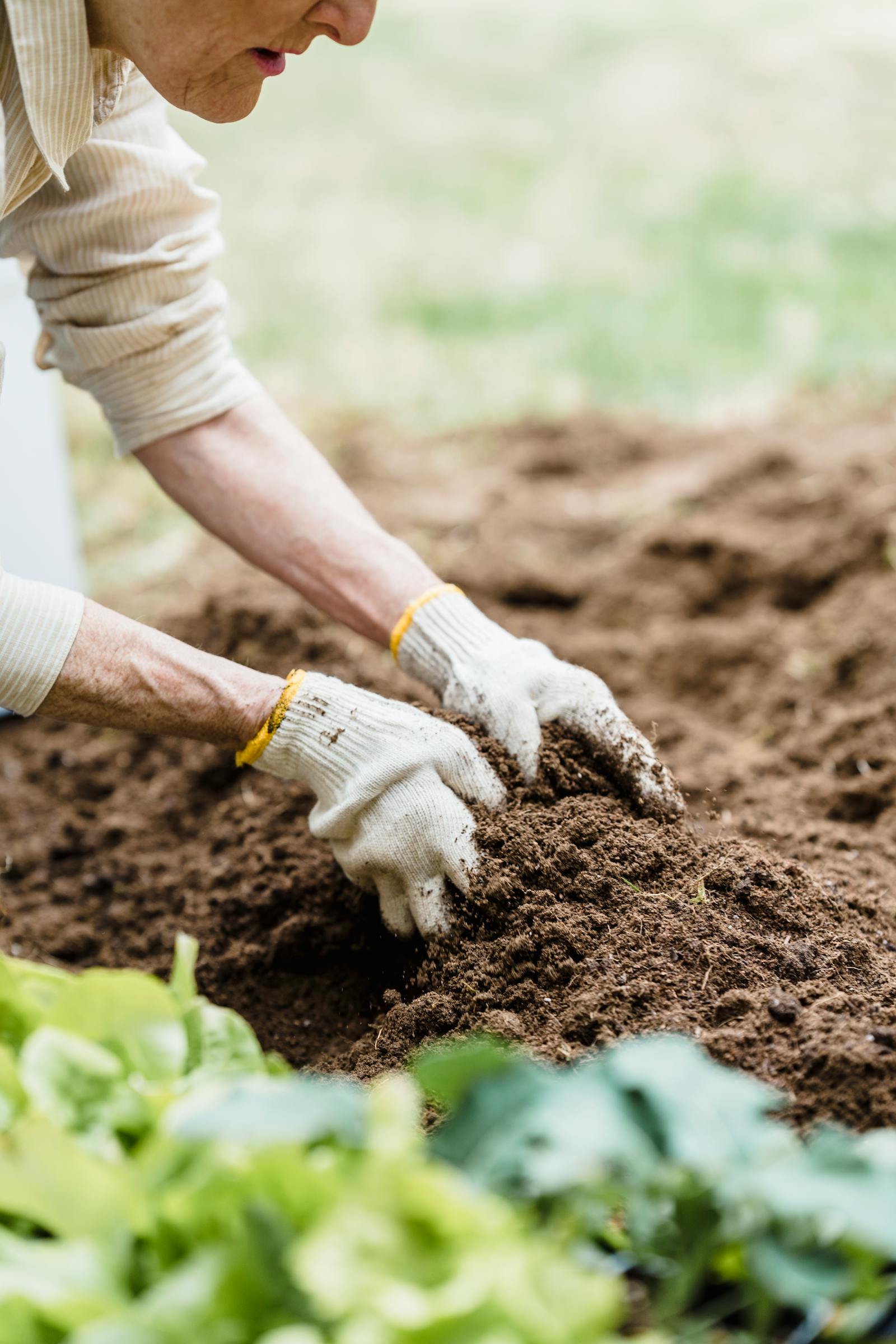
Many seeds need warmth to germinate – and “warm” usually means soil temperature, not air temperature. A 70°F room can still have 55°F soil if the pot is on a cold surface or near a draft.
Fix: warm soil. Place the pot on top of the fridge, near a heating vent, or on a seedling heat mat ($15-25). Soil temperatures of 65-75°F dramatically improve germination for most warm-season crops (tomatoes, peppers, basil).
2. Seeds buried too deep
The most common beginner mistake. As a rough rule, plant seeds at about twice their diameter. Tiny seeds (lettuce, basil) get a light dusting of soil; bigger seeds (beans) go in about half an inch. Burying too deep means the seedling exhausts its energy reserves before reaching the surface.
Anúncios
Fix: read the packet’s depth instructions. Trust the number. See how to read a seed packet.
3. Seeds need light to germinate (and you covered them)
Some seeds – lettuce, celery, dill, certain flowers – need light to germinate. Burying them in soil prevents them from sprouting.
Fix: check the seed packet. If it says “do not cover” or “surface sow,” sprinkle seeds on top of moist soil and press lightly. Mist daily to keep them damp without burying.
4. Old or improperly stored seeds
Most seeds remain viable for 1-3 years past their packed date if stored cool and dry. Stored in a hot garage, humid basement, or full sun, viability drops fast. Some seeds (onions, parsnips, parsley) genuinely lose viability within a year regardless.
Fix: check the packed-for date. If seeds are over 2 years old or were stored badly, sow many more than usual to compensate. For fresh starts, buy new seeds.
5. Soil too dry (or repeatedly drying out)
Germinating seeds need consistent moisture. If the soil dries out between waterings during the germination window, partially-germinated seeds can die.
Fix: cover the pot loosely with clear plastic wrap until seeds sprout – it holds moisture without smothering. Check daily and mist if the surface dries. Remove the plastic once green shoots appear.
6. Soil too wet (suffocating seeds)
The opposite problem: waterlogged soil starves seeds of oxygen, and they rot before they can sprout. Common when using pots without drainage or watering daily.
Fix: use pots with drainage. Keep soil consistently damp but not saturated. If you’ve been overwatering, scrape off the top layer of soggy soil and resow.
7. Wrong soil type
Regular potting mix works for most seeds, but very heavy or compacted soil prevents tiny seedlings from breaking through. Some seeds (very small flower seeds) struggle in chunky garden compost.
Fix: use a fine seed-starting mix for very small seeds. For larger seeds, regular potting mix is fine.
8. Temperature swings
Wild day/night temperature variations stress germinating seeds. A pot on a windowsill that hits 80°F in the afternoon and 55°F at night isn’t ideal.
Fix: move pots to a more stable spot – off a windowsill, ideally somewhere with steady warmth. Indoor pots away from cold windows do well.
9. Animals or pests
Ants, slugs, or mice sometimes eat seeds before they germinate. More common outdoors but possible in any setting. If seeds simply “disappear” with no sign of failure or success, something ate them.
Fix: cover seedling trays with mesh, plastic, or floating row cover until plants establish. Check for ant trails leading to the pot.
10. Seeds that need pre-treatment
Some seeds need specific pre-treatment to germinate: cold stratification (cold storage to simulate winter), scarification (nicking the hard shell), or soaking overnight. Without it, they sit unmoved.
Common ones requiring pre-treatment:
- Perennial flowers and herbs (lavender, echinacea) often need cold stratification – put seeds + moist paper towel in a sealed bag in the fridge for 3-6 weeks before sowing.
- Sweet peas, morning glories benefit from overnight soaking in water.
- Hard-shelled seeds (nasturtiums, some beans) germinate faster if nicked with a file or knife.
Fix: check the seed packet for pre-treatment notes. The instructions are usually on the back.
Realistic germination times
| Seed | Days to germinate (in good conditions) |
|---|---|
| Radishes | 3-5 |
| Lettuce | 4-10 |
| Basil | 5-10 |
| Spinach | 5-10 |
| Tomato | 5-10 |
| Beans (bush) | 7-10 |
| Marigolds | 5-7 |
| Sunflowers | 7-10 |
| Peppers / chillies | 10-21 |
| Parsley | 14-28 (slow!) |
| Carrots | 10-21 |
| Lavender | 14-30 (often with cold stratification) |
If you’re worried about non-germination of parsley after 7 days, you’re probably impatient rather than failed. Some seeds genuinely take 3 weeks. Trust the packet’s “days to germinate” range plus a buffer.
If a sowing fully fails
If after 3 weeks (well past the packet’s stated range) nothing has happened:
- Gently uncover a few seeds and inspect them.
- If they’re rotted – too much moisture. Scrape off top soil, let dry, try again with less water.
- If they look the same as when sown – too cold, too deep, or just old. Try fresh seeds, warmer location, shallower planting.
- If they’re partially started but stuck – too deep. Resow shallower.
Restarting costs nothing but seeds. Don’t try to nurse a failed batch – just sow again with corrections.
The short version
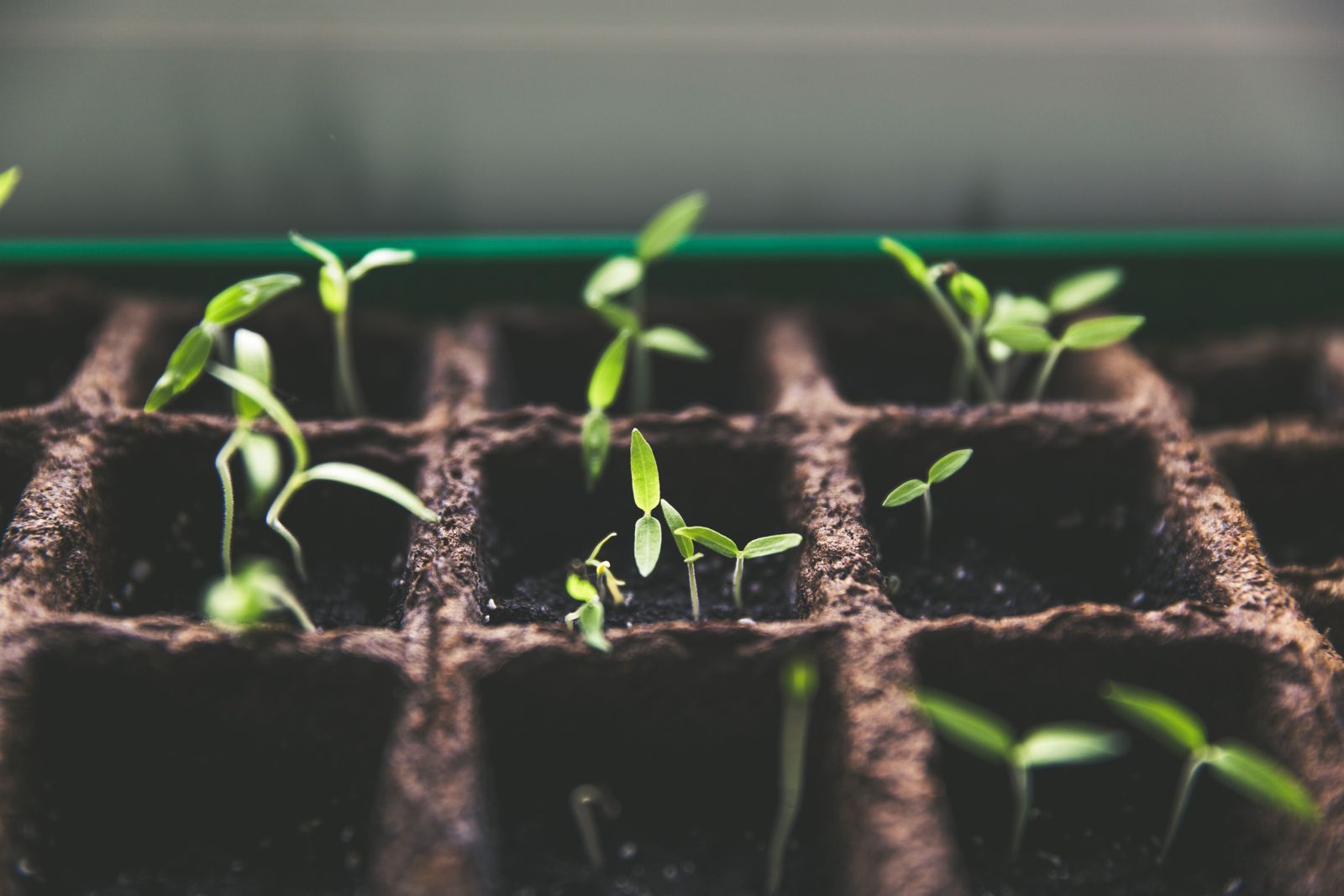
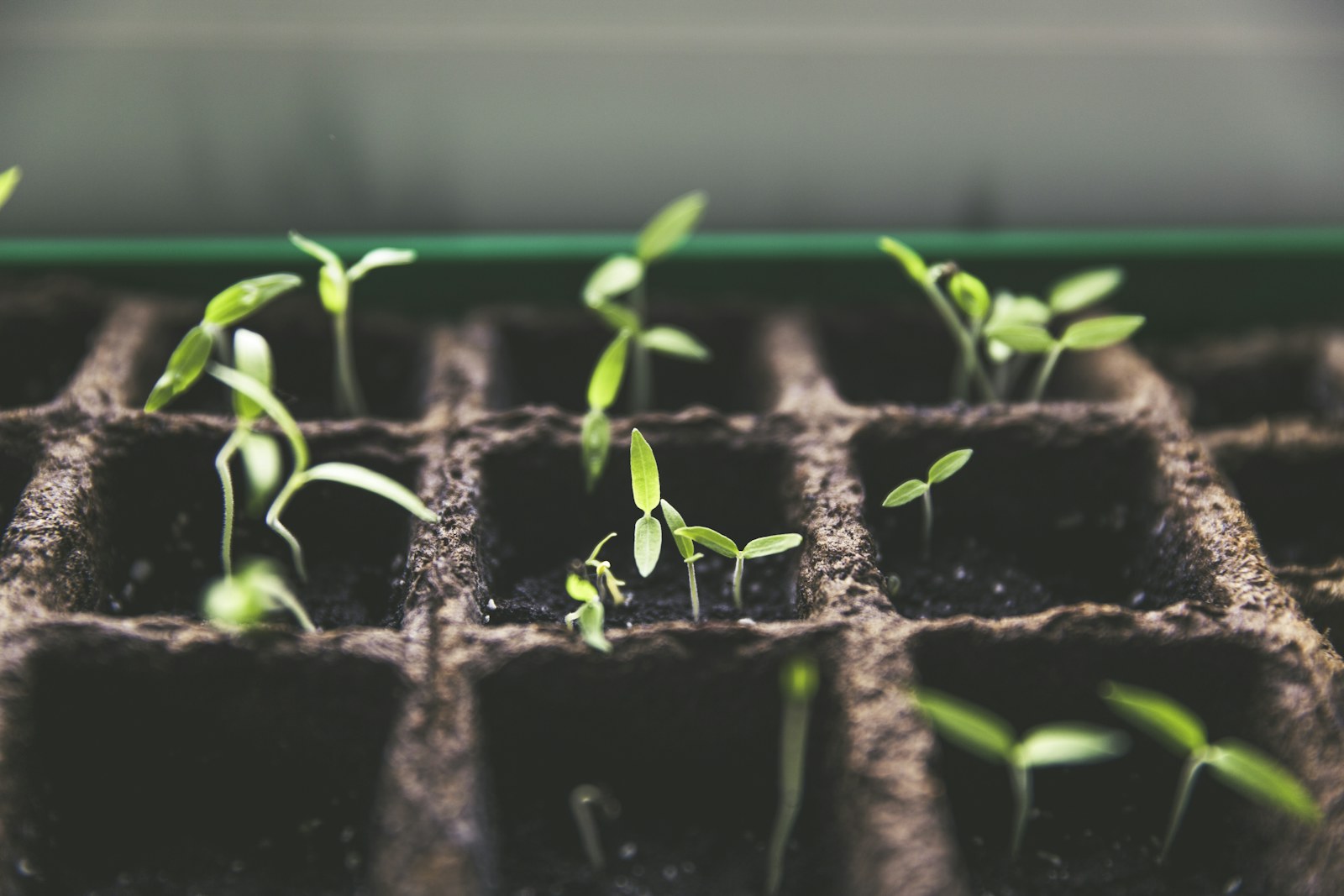
Seeds don’t germinate for predictable reasons: temperature, depth, moisture, freshness, or specific pretreatment needs. The fix is usually one variable change away. If your seeds aren’t sprouting, work through the list – check the packet’s instructions carefully, warm the soil, keep moisture steady, and try again.
Once your seeds do germinate, the next risk is leggy seedlings. See why your seedlings are tall and leggy. For broader troubleshooting, 15 beginner gardening mistakes covers other common issues.