Anúncios
The cheap fertilizer bottle in the shed has a tempting weekly schedule on the back. The garden centre tells you “feed your plants for best results.” Conventional wisdom says fertilizer = better growth. So you fertilize generously, the plant looks worse, and you can’t figure out why.
The answer is usually that you’re over-fertilizing. Excess nutrients accumulate as salts in the soil, dehydrate roots, and damage plants. Here’s how to recognise the signs – and how to fix it.
Anúncios
The 8 warning signs
1. White crusty buildup on the soil surface
The most visible sign. Fertilizer salts and minerals accumulate at the soil surface as water evaporates. A thin white crust on top of the soil is a clear indicator that salts are concentrating in the pot.
2. Brown crispy leaf tips or edges
Excess salts pull moisture out of roots and tissues, leading to brown leaf tips – especially on otherwise healthy plants. If the leaves look bright green except for crispy tips, fertilizer is a likely culprit.
3. Yellow lower leaves despite consistent watering
If you’ve ruled out overwatering and underwatering but lower leaves still yellow and drop, fertilizer salts blocking nutrient uptake may be the cause.
Anúncios
4. Slow or stopped growth in active growing season
You’d expect a fertilized plant to grow faster, not slower. If you’re feeding regularly but growth has stalled in spring or summer, you may have crossed from “feeding” to “burning.”
5. Wilting despite damp soil
Overfertilized plants can wilt because their roots can’t absorb water effectively from the salty soil – even when the soil is moist. This is the opposite of normal wilting (which means dry soil) and confuses beginners.
6. Burned leaf margins or scorched-looking patches
Concentrated fertilizer dripped or sprayed on leaves can cause direct burn marks. Foliar fertilizer applied too strong, or granular fertilizer sitting against the stem, creates this.
7. Dark green leaves with weak stems
Excess nitrogen produces lush, dark green growth that’s structurally weak. Plants look great briefly, then flop over or get attacked by pests that love succulent new growth.
8. Lots of leaves but no flowers or fruit
Over-nitrogen specifically causes “all leaves, no fruit” – the plant pushes vegetative growth and skips reproduction. Common with tomatoes when fertilized heavily with general-purpose feed instead of switching to a bloom-focused formula once flowering begins.
How over-fertilizing happens
The common patterns:
- Using the recommended dose on the bottle. Manufacturer doses are often calibrated for in-ground plants – too strong for containers.
- Fertilizing on a schedule without checking the plant. A stressed or dormant plant doesn’t need feeding.
- Combining multiple fertilizers. Slow-release granules + liquid feed + foliar spray adds up fast.
- Fertilizing in winter. Most plants are dormant or slow-growing in winter and don’t use the nutrients you provide.
- Fertilizing newly potted plants. Fresh potting mix has nutrients already; adding more burns roots.
- Reusing old potting mix without flushing. Salts from previous fertilizing accumulate season over season.
How to fix an over-fertilized plant
Step 1: Stop fertilizing immediately
The obvious first step. Don’t add any more nutrients – they’re already in excess.
Step 2: Flush the pot
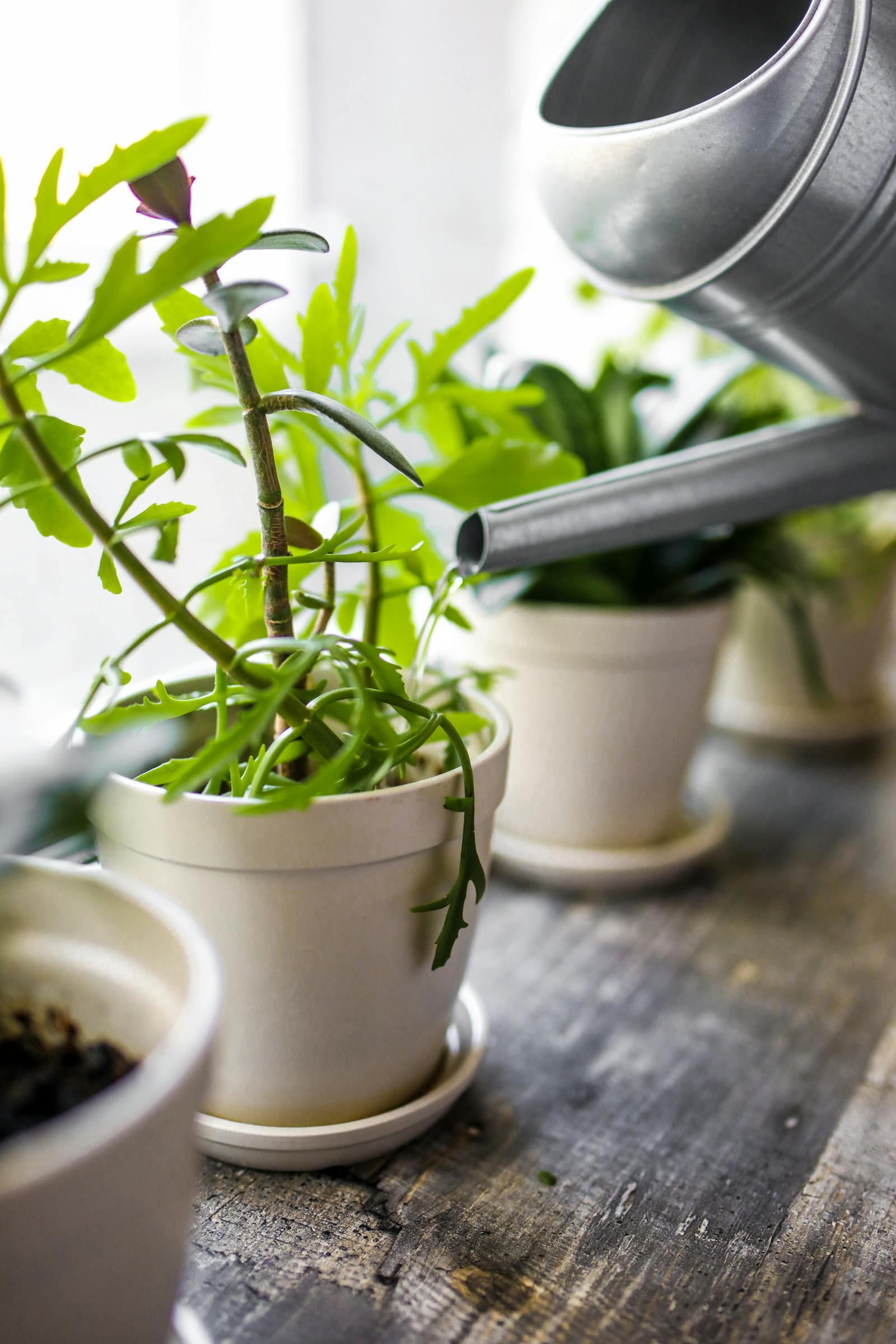
The most reliable fix. Run water through the pot to rinse excess salts out the drainage holes:
- Set the pot in a sink or basin (catches drainage water).
- Slowly pour clean water – about 4 times the pot’s volume – through the soil.
- Let it drain completely between pours.
- Repeat once a week for 3-4 weeks.
This dilutes and washes out accumulated salts. The white crust on the soil surface will gradually disappear.
Step 3: Repot if severe
For badly over-fertilized plants where flushing isn’t enough:
- Remove the plant from its pot.
- Gently rinse off as much old soil as possible from the roots.
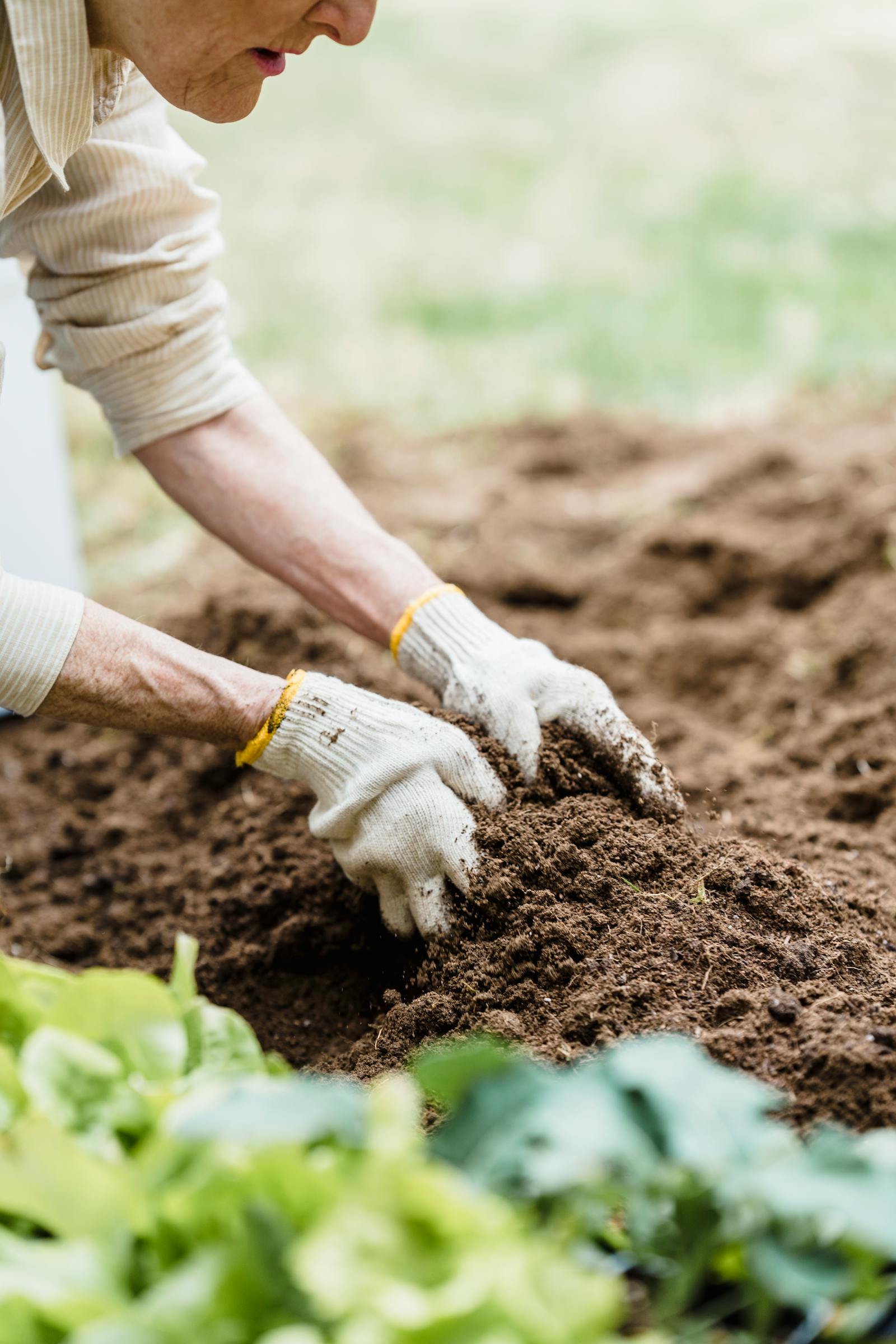
- Repot in fresh potting mix.
- Don’t fertilize for at least 6-8 weeks.
See how to repot a plant for the full technique.
Step 4: Resume feeding carefully
When you start fertilizing again:
- Use quarter to half strength.
- Feed less frequently – every 4-6 weeks instead of every 2.
- Only fertilize when the plant is actively growing.
- Don’t fertilize within 8 weeks of repotting.
How to avoid over-fertilizing in the first place
- Use half-strength fertilizer. Always.
- Don’t fertilize newly potted plants. Wait 6-8 weeks for the mix’s nutrients to deplete.
- Pause in winter. Most plants are dormant.
- Watch the plant. If it’s growing well, the current routine is enough. Don’t increase.
- Stick to one fertilizer. Don’t combine slow-release + liquid + foliar.
- Flush pots once per growing season. A quick rinse before resuming spring feeding clears any accumulated salts.
Specific cases
- Succulents and cacti: very light feeders. Quarter strength every 6-8 weeks max.
- Houseplants: half strength every 4-6 weeks during growing season.
- Herbs: light feeders. Half strength every 4-6 weeks; over-fertilized herbs lose flavour.
- Tomatoes and peppers: heavy feeders but still half strength is fine. Switch to high-K/P formula when flowering starts.
- Lettuce and leafy greens: moderate. Half strength every 3-4 weeks.
For the broader feeding routine, see how to fertilize container plants.
The bottom line
Over-fertilizing is invisible until it isn’t. The signs – brown tips, white soil crust, stalled growth, all-leaves-no-fruit – look similar to other problems and beginners often try to fix them by adding more fertilizer, which makes things worse. The cure is always less, not more: flush the salts out, repot if severe, and resume with half-strength feeding at longer intervals.
For broader troubleshooting, see brown leaf tips causes and 15 beginner gardening mistakes.
The recovery timeline
Once you stop over-fertilizing and flush the soil, expect:
- Week 1: visible symptoms persist; damaged leaves don’t recover.
- Weeks 2-3: new growth begins coming in healthy.
- Weeks 4-6: noticeable improvement; old damaged leaves can be trimmed.
- Weeks 6-8: plant typically back to normal.
Resume fertilizing only after seeing healthy new growth. Start at quarter strength every 6 weeks; gradually increase if the plant tolerates it.
Preventing the next over-fertilization
A few habits that prevent recurrence:
- Always dilute manufacturer-recommended doses by half.
- Set calendar reminders rather than fertilizing impulsively.
- Don’t fertilize immediately after repotting (fresh mix has nutrients).
- Skip fertilizing during dormancy (winter for most plants).
- Flush soil quarterly with plain water to prevent salt accumulation.