Anúncios
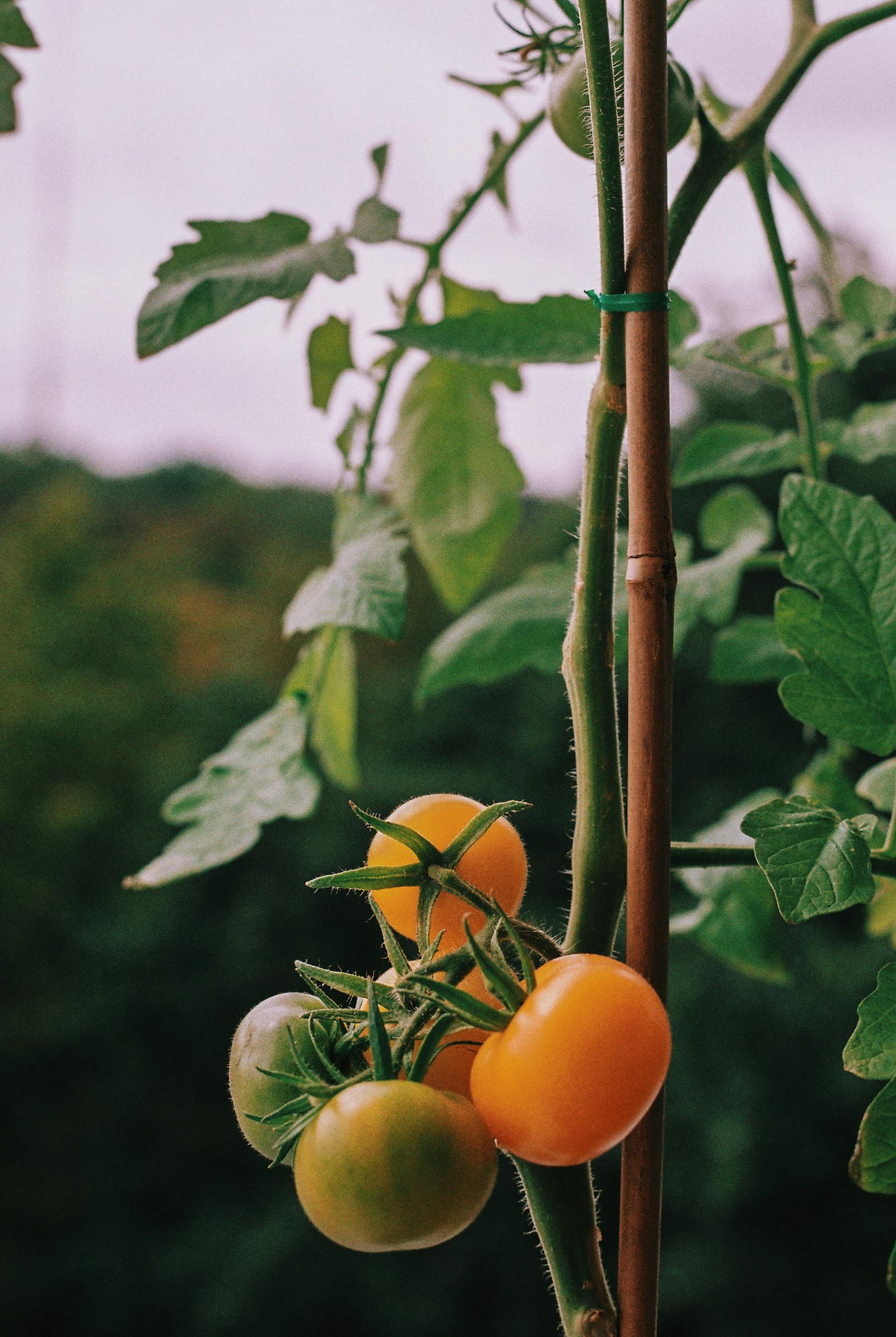
You’ve kept the plant alive. The leaves are healthy. It’s been months. But there are no flowers. A peace lily that hasn’t bloomed in a year. A tomato plant that’s all lush green and no fruit. A geranium that produced one flower in spring and never another.
Flowering failure has a handful of common causes, all fixable once identified. Here’s the diagnostic.
Anúncios
1. Not enough light
The single most common cause. Flowering takes energy. If a plant can’t photosynthesize enough, it skips flowering to conserve resources for survival.
The same plant that produces flowers in a sunny window may produce nothing at all in a dim corner. The leaves still look fine because foliage is cheaper energy-wise than flowers.
Fix: move the plant to brighter light. For indoor plants, the closer to a sunny window the better. For outdoor plants, the issue is usually misjudged sun exposure – take an actual sun audit and move pots if needed. See our guide to plant sunlight needs.
Anúncios
2. Too much nitrogen (over-fertilizing)
Nitrogen drives leaf growth. Phosphorus and potassium drive flower and fruit development. If you’ve been fertilizing with a high-nitrogen formula (or balanced 10-10-10 too liberally), the plant pours energy into lush leaves and skips flowering.
This is especially common with tomatoes, peppers, and flowering plants treated with general “houseplant fertilizer.”
Fix: stop high-nitrogen feeding. Switch to a “bloom” or “tomato” fertilizer (lower N, higher P and K – look for ratios like 3-10-10 or 5-10-10). Give the plant 4-6 weeks for the shift to show effects.
3. Plant is too young
Some plants don’t flower until they’re a couple of years old. Peace lilies, orchids, jasmine, and many flowering shrubs all need a maturity period before they bloom.
Fix: patience. A young pothos or peace lily often doesn’t flower until its third year. If the plant is healthy and well-cared-for, blooms will come.
4. Wrong season
Many plants flower only at specific times of year. Forcing them off-cycle doesn’t work without artificial light or temperature manipulation.
Examples:
- Christmas cactus: blooms in late fall/winter triggered by shorter days.
- African violet: can bloom year-round indoors with good light.
- Spring bulbs: need cold winter dormancy before flowering.
- Outdoor perennials: each has a specific bloom window.
Fix: research your specific plant’s flowering schedule. If your peace lily isn’t blooming in November, that’s normal – they typically bloom spring and summer.
5. Wrong day length
Some plants need specific day-length signals to flower. “Short-day” plants (poinsettias, Christmas cactus, chrysanthemums) bloom when nights are long (typically fall and winter). “Long-day” plants bloom in summer.
This causes confusion indoors where artificial lights extend the “day” and disrupt the signal.
Fix: for short-day plants, ensure they get 12-14 hours of complete darkness for several weeks to trigger bloom. Cover with a dark cloth in the evening if needed, or move to a room without nighttime lights.
6. Pot too big
Some plants – peace lilies, jasmine, orchids – flower more readily when they’re slightly root-bound. A too-large pot encourages root growth at the expense of flowers.
Fix: if the pot is significantly larger than the root ball, consider potting down into a smaller pot. Less common solution but real for plants that flower under stress.
7. Inconsistent care, stress, or recent disturbance
A recently repotted plant may not bloom for a season – it’s recovering. A plant that’s been moved between locations, exposed to cold drafts, or stressed by pest infestation often drops flowers or buds.
Fix: establish a stable routine. Consistent watering, no sudden moves, no drastic environment changes. Plants need a few months of steady conditions to feel safe enough to bloom.
The pollination problem
Sometimes plants flower but the flowers don’t set fruit. This is a different problem from non-flowering and usually traces to:
- No pollinators. Indoor plants miss bee activity. Shake flower clusters daily or use a small paintbrush to transfer pollen.
- Extreme heat or cold. Many plants drop flowers above 95°F or below 50°F.
- Drought stress during flowering. Inconsistent watering can cause flowers to drop before setting fruit.
Plant-specific notes
| Plant | Typical flowering issue | Fix |
|---|---|---|
| Peace lily | Not enough light; pot too big | Brighter spot; smaller pot |
| African violet | Too little light, irregular watering | Bright indirect light; consistent moisture |
| Tomato | Too much nitrogen; lack of pollination | Switch to bloom fertilizer; shake flowers |
| Geranium | Spent flowers not removed; lack of sun | Deadhead spent blooms; more sun |
| Christmas cactus | Wrong light cycle | Cool, dark nights starting in October |
| Orchid | Temperature swing needed | Slight cooler nights in fall to trigger bloom |
| Jasmine | Pot too large; insufficient sun | Slightly cramped pot; sunny spot |
| Marigolds | Spent flowers not deadheaded | Remove faded blooms regularly |
How to encourage flowering
General good practices that promote blooming:
- Provide adequate light – this is the most important factor.
- Use a balanced or bloom-focused fertilizer at appropriate times.
- Don’t over-fertilize with high-nitrogen formulas.
- Deadhead spent flowers to redirect energy to new blooms.
- Allow appropriate dormancy or cool periods for plants that need them.
- Maintain consistent watering and stable conditions.
- Be patient with young or recently disturbed plants.
The bottom line
Plants don’t flower for predictable reasons – usually light, fertilizer balance, age, or season. Diagnose by checking which of these applies to your situation, then adjust. Most flowering failures fix themselves within a season once the underlying issue is addressed.
For broader plant troubleshooting, see 15 beginner gardening mistakes. For tomato-specific issues, growing cherry tomatoes in containers covers the pollination side in detail.
The hidden role of dormancy in flowering
Many plants need a cool dormancy period to trigger flowering. This is why some houseplants never bloom indoors – they don’t get the seasonal cue.
- Christmas cactus: needs cool nights (55-60°F) and long dark periods in fall to bloom in winter.
- Hellebores: need cold winter to bloom in spring.
- Many fruit trees: need chilling hours below 45°F to set fruit.
- Orchids (some): need temperature drops at night to trigger blooms.
If your plant should bloom but isn’t, check whether it’s getting the dormancy it needs. Sometimes the fix is moving it to a cool room or garage for several weeks in fall.
Pollination problems vs flowering problems
Sometimes a plant blooms beautifully but doesn’t set fruit. Different issue:
- Plant produces flowers normally.
- Flowers fail to develop into fruit.
- Often a pollination issue, not a flowering one.
Fix: gently shake flowering plants daily during bloom (helps self-pollinators). Use a small paintbrush to transfer pollen between flowers for indoor plants. For outdoor plants, ensure pollinator-friendly companion planting nearby.