Anúncios
You water your plant and suddenly notice a patch of fluffy white fuzz on the soil surface. It looks alarming – like the plant is rotting from the top. The instinct is to panic and act drastically.
Hold off. White mold on potting soil is almost always harmless to the plant itself, but it tells you something useful: the conditions in the pot are too damp and too still. Here’s what’s actually happening and the simple fixes.
Anúncios
What that white fuzz actually is
The white growth is almost always a type of saprophytic fungus – one that feeds on dead organic matter in the soil (bits of bark, peat, decomposing roots), not on the plant itself. It’s the same family of fungi that turns leftovers in your fridge fuzzy. Annoying, but not parasitic.
Two visual distinctions worth making:
- White fluffy or cobweb-like mold: harmless saprophytic fungus. Common cosmetic problem.
- White crusty buildup (no fluff): mineral salts from fertilizer or hard water. Different issue – see signs of over-fertilizing.
- Greenish or yellowish mold: algae, common in consistently wet soil. Same fix as white mold.
- Black mold on stems or leaves: different problem – this is “sooty mold” or fungal disease and is harmful. Treat the plant, not the soil.
Why it appears
White soil mold thrives in specific conditions:
Anúncios
- Consistently damp or wet soil (especially the top layer)
- Poor air circulation around the pot
- Low light (mold doesn’t like UV)
- Organic-rich potting mix with lots of dead material to feed on
- Recently disturbed soil from repotting or fresh planting
If you’ve been watering frequently, the pot is in a humid spot, and there’s not much airflow, mold has everything it needs. Conversely, a plant in a sunny windowsill with regular drying cycles rarely develops mold.
Is it dangerous?
For most people and most plants, no. The saprophytic fungi causing white soil mold are not generally pathogenic to plants or harmful to humans on contact.
The exceptions where it does matter:
- People with respiratory conditions (asthma, severe allergies) may react to mold spores. If anyone in the household is sensitive, take action faster.
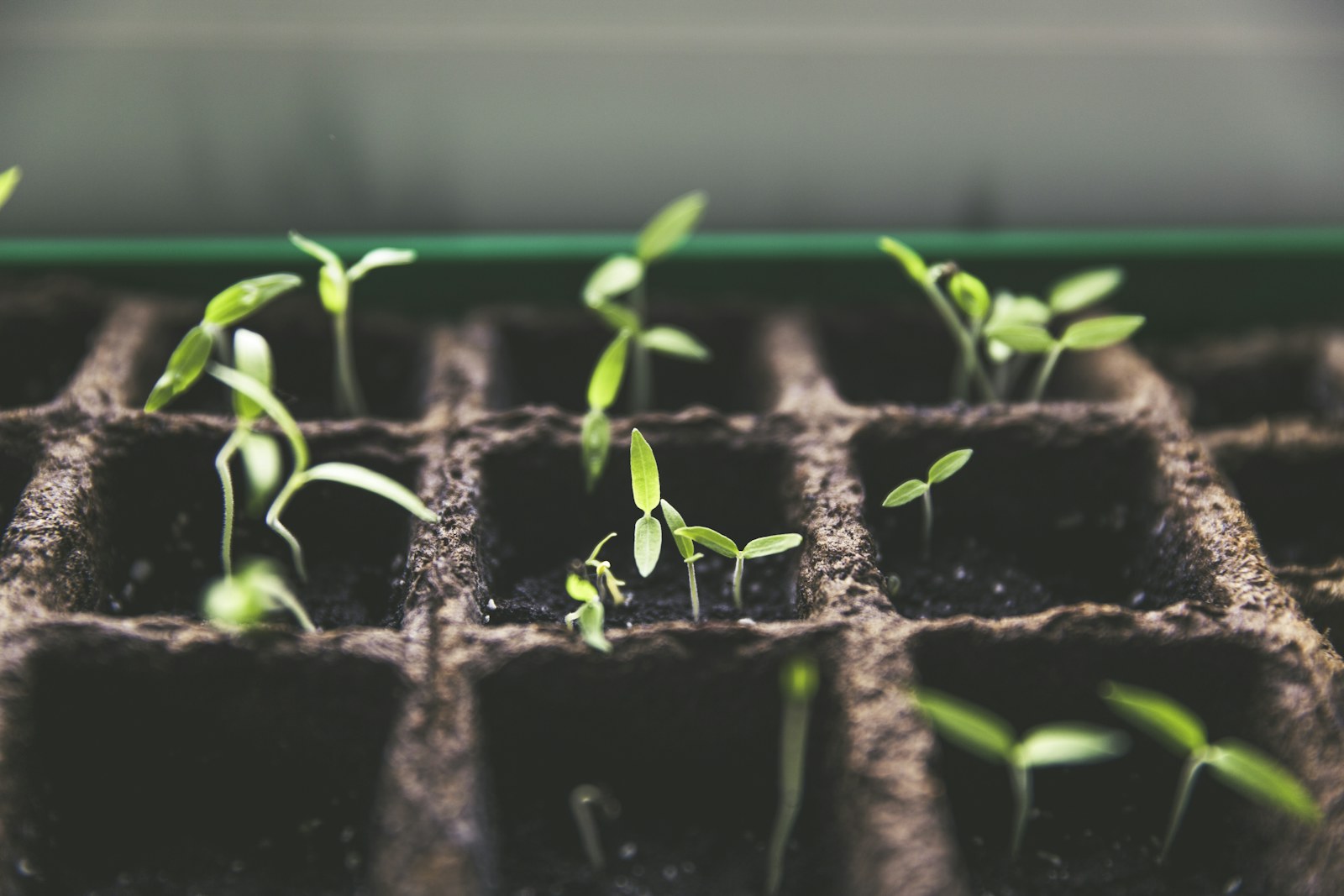
- Seedlings and very young plants can be vulnerable to “damping off” – a related fungal issue that kills tiny seedlings at the soil line. This is a more serious concern than typical adult-plant mold.
- Indicator of overwatering. The mold itself isn’t the problem; the conditions allowing it usually mean roots are also struggling.
How to remove it
Easy method (most cases)
- Scrape off the visible mold from the soil surface with a spoon or your fingers (wear a glove if you’d rather).
- Discard the moldy soil.
- Let the top inch of soil dry out completely before watering again.
- Move the plant to a brighter, better-ventilated spot.
This works for 80% of cases.
If mold returns quickly
- Remove the top 1-2 inches of soil from the pot.
- Replace with fresh, dry potting mix.
- Sprinkle a light dusting of cinnamon over the surface – cinnamon has mild antifungal properties.
- Reduce watering frequency.
For severe or recurring cases
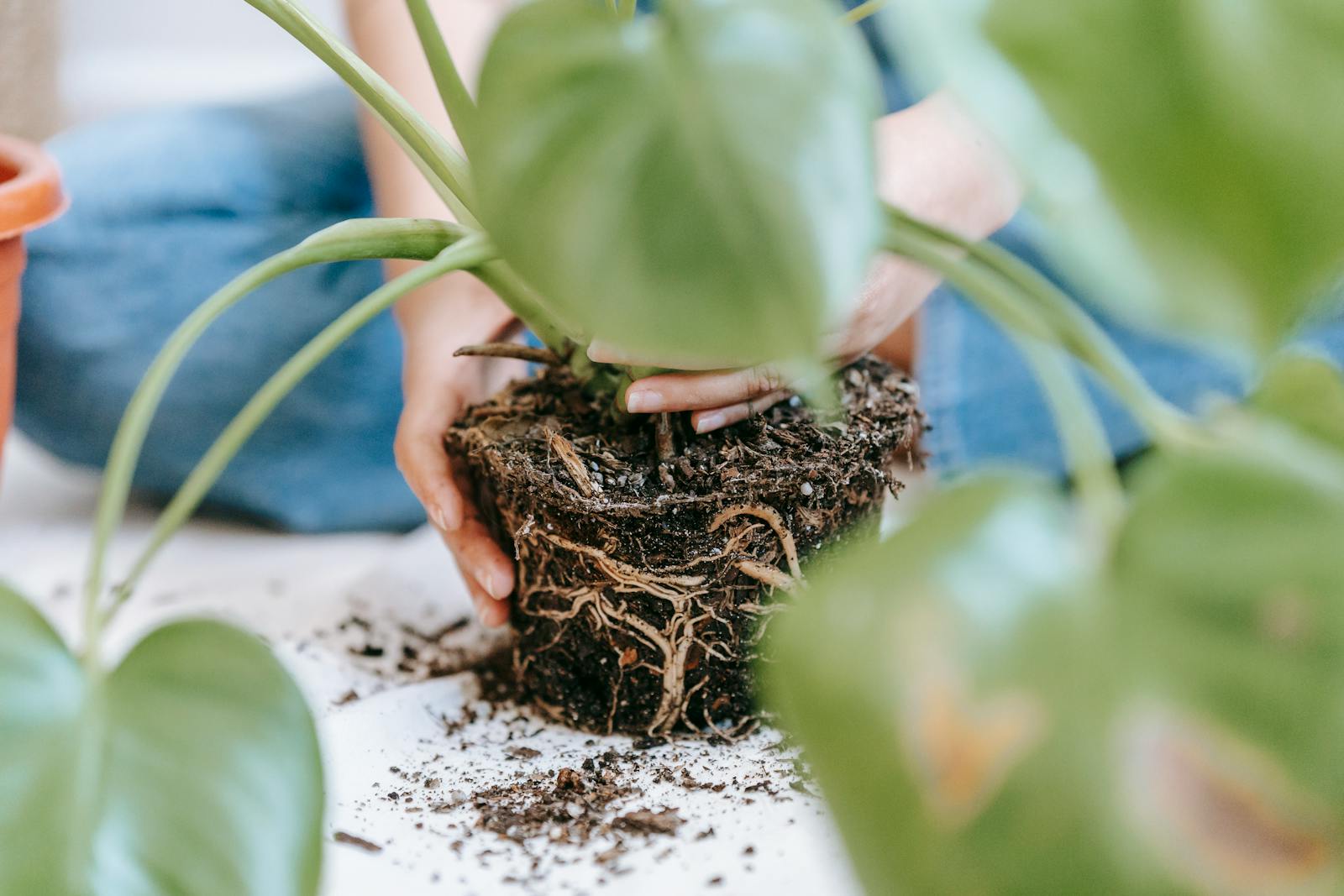
- Repot the plant entirely in fresh potting mix and a clean pot.
- Inspect roots for rot; trim any black or mushy sections.
- Use a clean pot (scrub with hot soapy water and let dry).
- Address the underlying watering and light issues.
See how to repot a plant for the full technique.
Preventing future mold
The conditions that allow mold are the same conditions that stress roots. Fixing them improves both:
- Water less often. Let the top inch of soil dry between waterings. This is the single biggest preventive measure.
- Improve air circulation. A small fan in the room, even on low, dramatically reduces mold problems on indoor plants.
- Move to brighter light. UV light from sunny windows discourages surface mold.
- Use pots with drainage. See why pots need drainage holes.
- Don’t bottom-water and leave standing. Empty saucers after watering.
- Top-dress with sand or pebbles. A 1/2-inch layer of horticultural sand or small pebbles on the soil surface dries out faster than soil and resists mold.
- Avoid overly organic potting mix. Mixes with very high compost or bark content provide more food for mold. A balanced mix is less mold-prone.
Special note for seedlings: damping off
If young seedlings are toppling over with a thin, dark, pinched stem at the soil line, that’s “damping off” – a related fungal disease that kills seedlings. It moves fast. Affected seedlings rarely recover.
To prevent:
- Use a sterile seed-starting mix (not regular potting mix from an open bag).
- Water from below rather than top-watering.
- Ensure good air circulation around seedling trays.
- A light cinnamon dusting on damp seed-starting mix can prevent fungal outbreak.
- Remove any seedling that shows damping off immediately to prevent spread.
What not to do
- Don’t apply fungicide to the whole pot. Most chemical fungicides are overkill for harmless soil mold and can stress the plant. Reserve them for active plant diseases.
- Don’t soak the soil with hydrogen peroxide. Dilute peroxide (1:4 with water) kills fungus gnat larvae and is sometimes recommended for soil mold – but it can stress roots if used too often. Once or twice is fine; weekly is excessive.
- Don’t keep watering aggressively to “wash mold away.” More water = more mold. Counterintuitive but true.
The bottom line
White mold on plant soil looks worse than it is. The mold itself is mostly harmless, but it tells you the soil is staying too wet for too long. Scrape it off, dry out the soil, improve light and airflow, and the underlying conditions improve along with the surface. Most cases resolve within 1-2 weeks of correcting the conditions.
For more troubleshooting on common plant issues, see 15 beginner gardening mistakes, overwatering vs underwatering signs, and how to get rid of fungus gnats.
Distinguishing mold from beneficial fungi
Not all white growth on plant soil is harmful. Different types and what to do:
| What you see | What it is | Action |
|---|---|---|
| Fluffy white surface mold | Saprophytic fungus (harmless) | Scrape off, dry soil |
| White mycelium running through soil | Beneficial mycorrhizal fungi | Leave alone; helps the plant |
| White crusty surface buildup | Mineral salts (over-fertilizing) | Flush soil; reduce feeding |
| White cottony spots on the plant | Mealybugs (pests, not mold) | Remove with rubbing alcohol |
| White powder on leaves | Powdery mildew (disease) | Improve airflow; remove affected leaves |
Most “white on plant soil” is harmless saprophytic mold. The key diagnostic is whether it’s only on top of the soil (mold) vs deep in the soil structure (likely mycelium, often beneficial).
Long-term mold prevention
The conditions that allow mold are the conditions that stress plants. Fix both:
- Water only when the top inch of soil is dry.
- Ensure good air circulation (small fan in stagnant rooms).
- Provide adequate light (mold thrives in dim conditions).
- Use pots with drainage holes.
- Empty saucers within 30 minutes of watering.
- Top-dress with sand or small pebbles to dry out the surface.