Anúncios
The basil at the grocery store looked perfect. You brought it home, watered it regularly, gave it the windowsill spot you’d been saving. Three weeks later it’s a sad brown stem. The next one too. Here’s what’s actually happening.
The six causes
1. Overcrowded supermarket pots
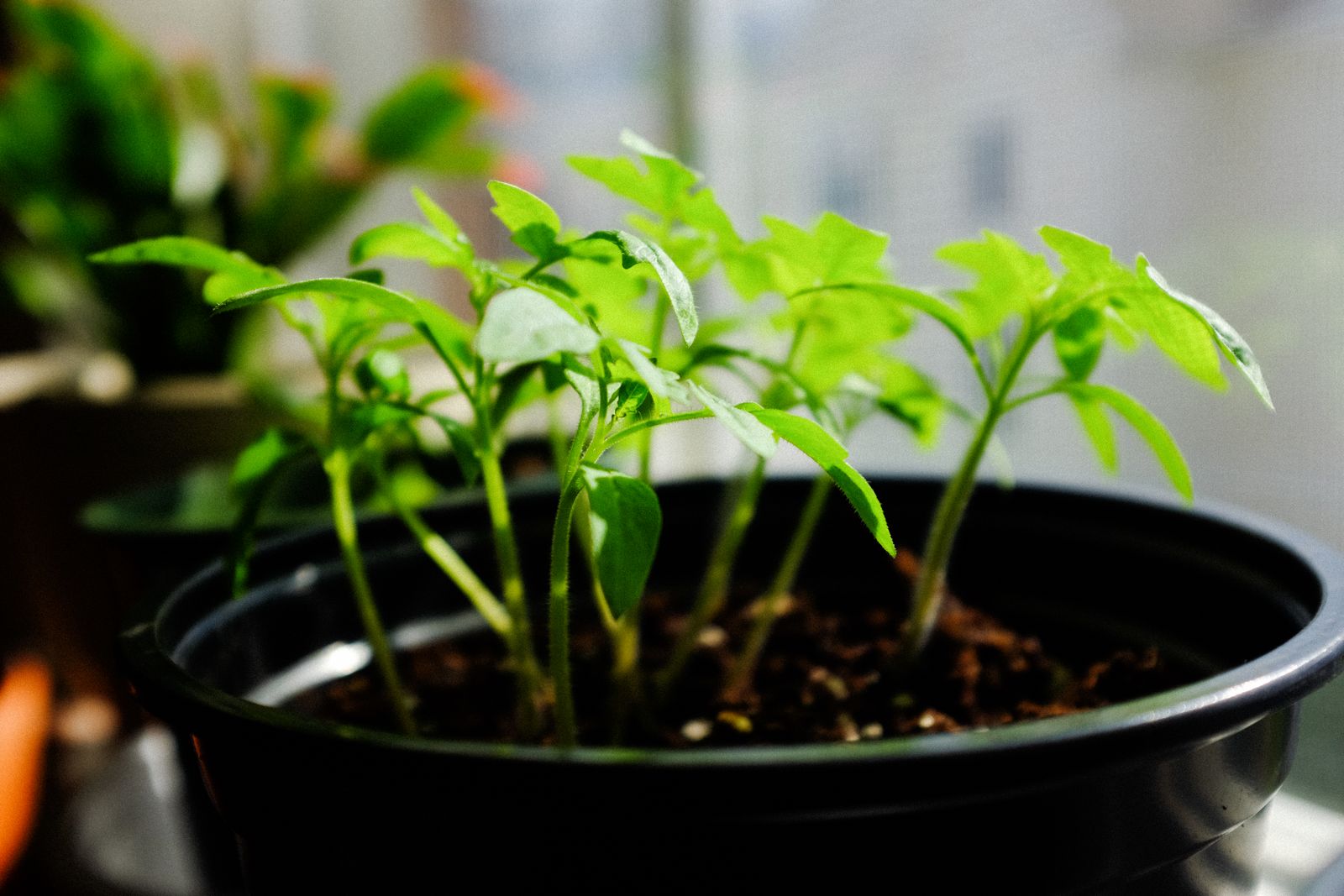
This is the biggest hidden cause. Grocery store herb pots – especially basil – are deliberately overcrowded. There can be 20+ tiny seedlings packed into a single 4-inch pot to look bushy on the shelf. Each individual plant is starved for root space, and they collectively decline within weeks.
Anúncios
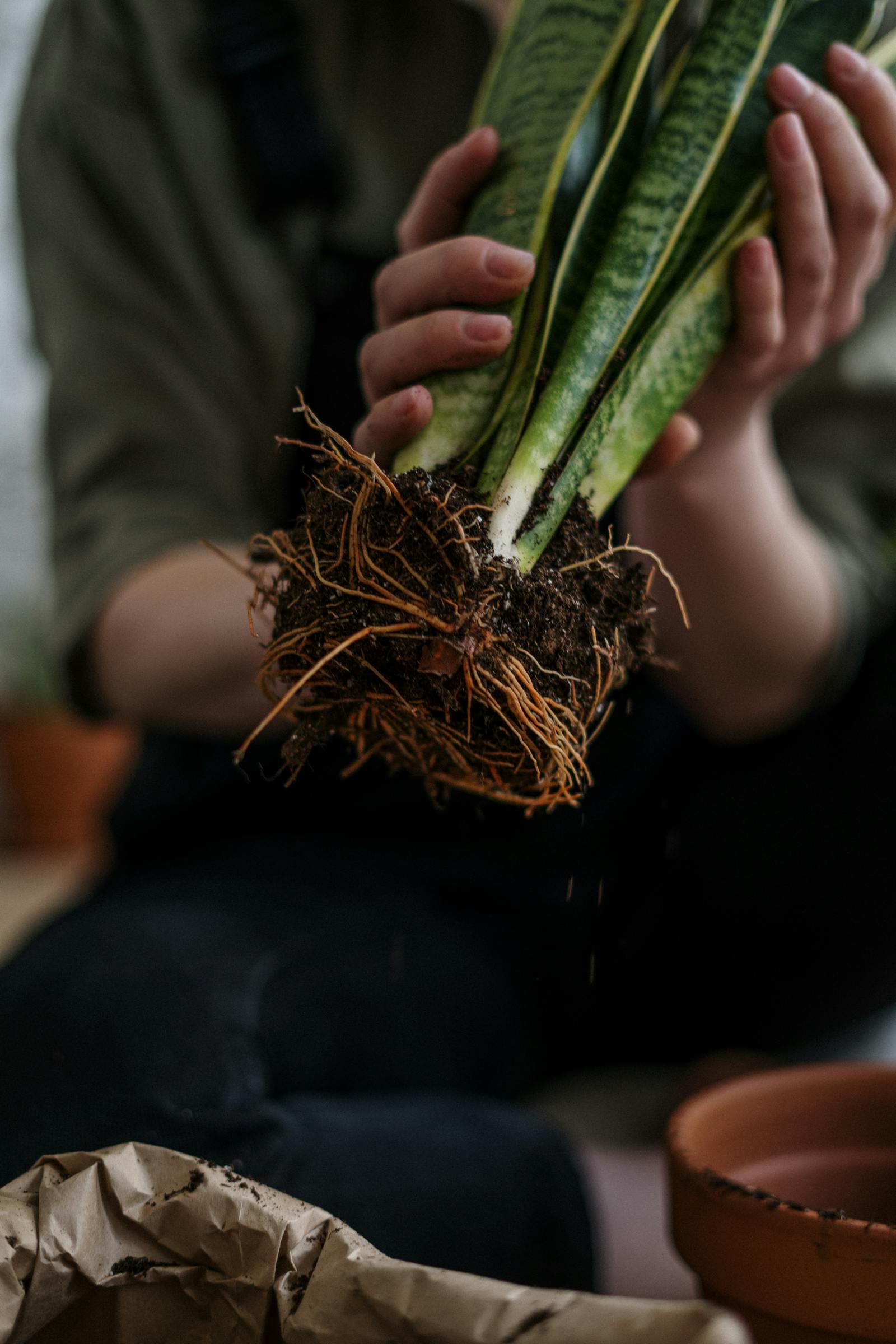
Fix: as soon as you bring a store herb home, gently divide it into smaller groups (3-4 seedlings per pot) and repot into proper 6-inch containers with fresh soil. See how to grow basil for the full method.
2. Overwatering
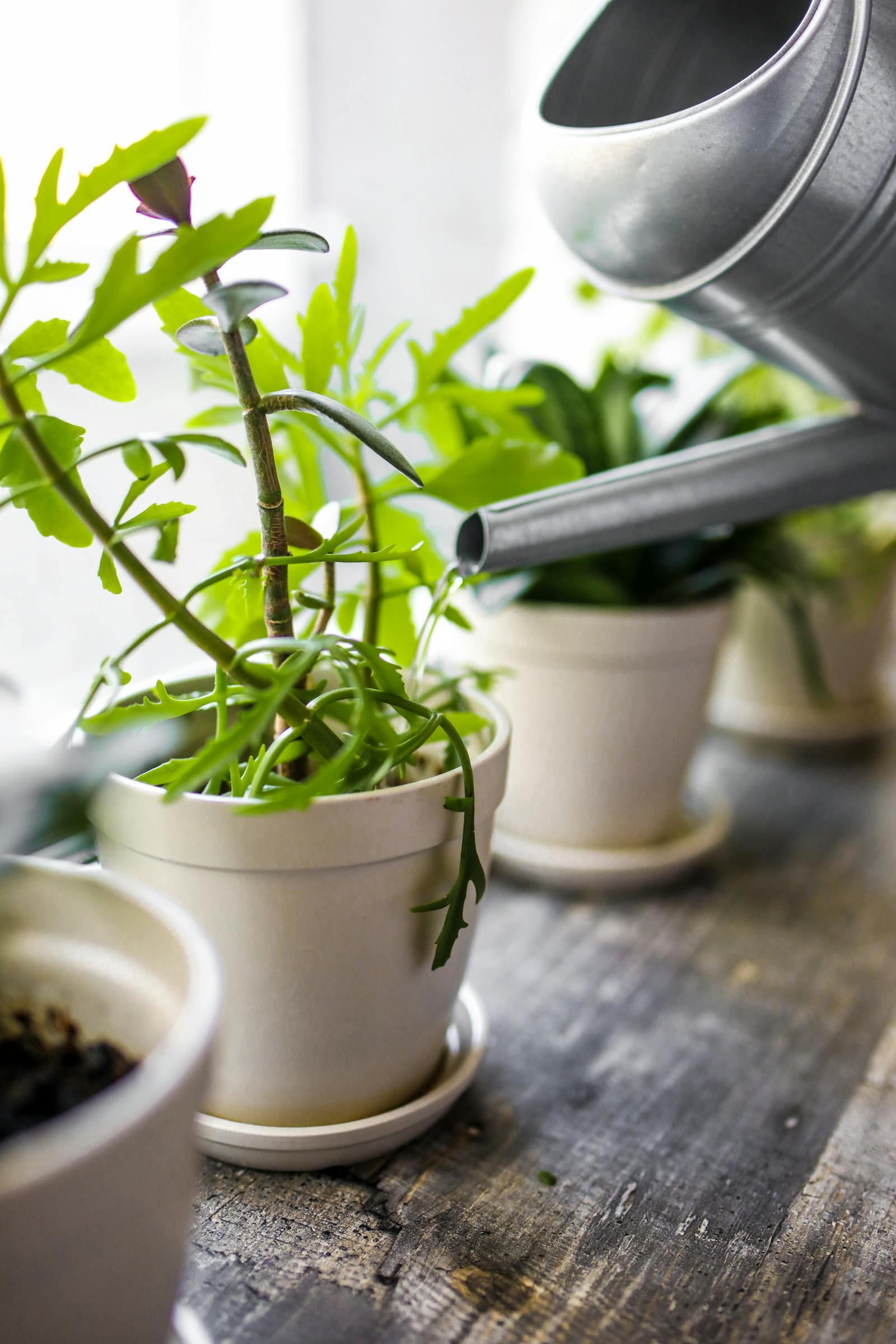
The instinct with herbs is to water them like leafy houseplants. Most culinary herbs hate this. Mediterranean herbs (rosemary, thyme, oregano, sage, lavender) actively prefer dry conditions. Even moisture-loving herbs (basil, parsley, mint) want the top inch to dry between waterings.
Fix: always check the soil before watering. Push a finger in. If damp, wait. Water only when dry.
Anúncios
3. Not enough sun
Most herbs need 4-6+ hours of direct sun daily. Indoor herbs on dim windowsills grow leggy, weak, and flavourless before dying.
Fix: move to the brightest window. If your space lacks sun, add an LED grow bulb. Without enough light, no amount of watering or fertilizing helps.
4. Wrong herb for your conditions
Some herbs are easier than others. Beginner failures often pair beginner skill with finicky species.
Hardest to grow indoors: cilantro, basil (needs lots of sun), rosemary (hates wet conditions), parsley (slow).
Easier: mint (forgives almost anything), chives, thyme (tolerates drought).
Fix: start with easier herbs. Once you’ve kept mint and chives alive for a season, try basil.
5. Pots without drainage
Decorative herb pots from kitchen stores often have no drainage. Water collects, roots rot, herbs die.
Fix: use pots with drainage holes. If you love a no-drainage pot, use it as a cover pot. See do pots need drainage holes.
6. Letting herbs flower
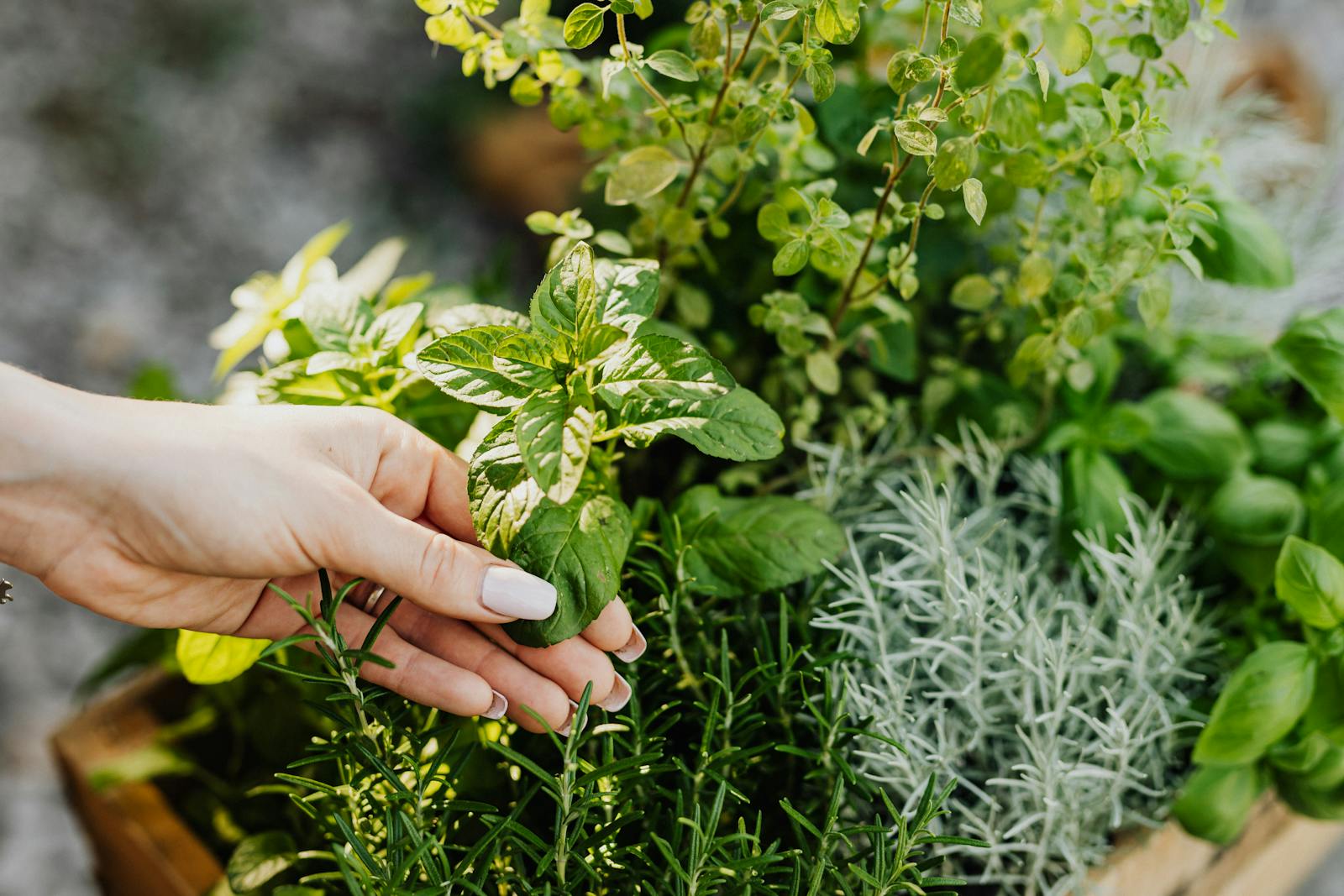
Once basil, mint, oregano, or cilantro flowers, the leaves turn bitter and growth slows. Many beginners watch their herbs flower thinking it’s a good thing – then wonder why the harvest stops.
Fix: pinch off flower buds the second you see them. Keep harvesting the top leaves regularly to delay flowering.
Herb-specific death patterns
| Herb | Most common cause of death |
|---|---|
| Basil (grocery store) | Overcrowding + insufficient sun |
| Rosemary | Overwatering |
| Cilantro | Heat (bolts and dies fast in summer) |
| Thyme | Overwatering or wet soil |
| Parsley | Insufficient sun, then root issues |
| Mint | Rarely dies – usually thrives anywhere |
| Oregano | Overwatering or no pruning (gets woody) |
| Chives | Rarely dies – very forgiving |
The herb survival plan
To keep most herbs alive:
- Buy a starter plant (skip seeds for your first attempt).
- If from a grocery store, repot immediately into a 6-inch pot with drainage.
- Place in your sunniest spot (4-6+ hours of direct sun daily).
- Water only when the top inch of soil is dry.
- Harvest regularly – cutting encourages new growth.
- Pinch flower buds immediately.
- Don’t fertilize beyond a light dose every 4-6 weeks.
That’s the entire formula. Follow it and most herbs thrive.
When herbs are genuinely past saving
Sometimes a dying herb can’t be revived:
- Black, mushy stem at base (root rot).
- Plant has lost more than 80% of leaves and isn’t producing new growth.
- Persistent pest infestation that resists treatment.
In these cases, take cuttings if any healthy stems remain, then compost the rest and start fresh. Most herb failures are tuition – the next attempt almost always goes better.
The bottom line
Herbs aren’t fragile – the conditions they’re sold in often are. Repot grocery store herbs, give them proper sun, water sparingly, harvest aggressively, pinch flowers. With those habits, herbs become some of the easiest plants in your home.
For specific herb guides, see basil, mint, rosemary, and balcony herbs.
The grocery store herb trap (explained in detail)
The basil and other herb plants sold in grocery stores have a specific problem most buyers don’t notice. Each “plant” is actually 15-25 individual seedlings packed into a tiny 4-inch pot. From the shelf they look bushy and impressive. At home, they decline within 3 weeks.
Why this happens:
- Each seedling has minimal root space – just a few cubic centimeters of soil.
- They’re competing for water and nutrients in that tiny space.
- The dense planting prevents airflow, encouraging fungal issues.
- They were grown for shelf appearance, not long-term health.
The fix is repotting. Gently separate the seedlings into smaller groups (3-4 per pot) and plant each group in a proper 6-inch pot with fresh soil. They struggle for the first week or two but recover – each individual plant now has enough root space to thrive.
Cilantro and the bolting problem
Cilantro (coriander) is one of the hardest beginner herbs because it bolts to seed at the slightest provocation:
- Hot weather: cilantro bolts within days of temperatures hitting 80°F+.
- Long days: triggers flowering and seed production.
- Stress: any transplant, drought, or root disturbance triggers bolting.
To grow cilantro successfully:
- Sow from seed directly into the final pot (don’t transplant).
- Grow only in cool seasons (spring and fall in most climates).
- Sow new seeds every 2-3 weeks for continuous supply (each plant lasts 4-6 weeks).
- Provide partial shade in warm weather.
- Once the plant bolts, harvest the seeds (coriander spice) and start fresh.
Watering different herbs differently
Lumping all herbs into “water once a week” is what kills many of them:
| Herb | Water needs |
|---|---|
| Basil | Consistent moisture, water when top inch is dry |
| Mint | Consistent moisture, very forgiving |
| Parsley | Consistent moisture |
| Cilantro | Consistent moisture, hates drying out |
| Rosemary | Let dry between waterings, hates wet feet |
| Thyme | Let dry between waterings |
| Oregano | Let dry between waterings |
| Sage | Let dry between waterings |
| Lavender | Very drought-tolerant; minimal water |
| Chives | Moderate water; tolerates both |
The dividing line: Mediterranean herbs (rosemary, thyme, oregano, sage, lavender) want dry conditions. Most others want consistent moisture.
The harvest-or-die rule
Herbs that aren’t harvested regularly decline:
- They become leggy and woody.
- Flavour weakens.
- Flowers form, leaves turn bitter.
- Plant goes to seed and stops producing.
Plan to harvest weekly even if you don’t need the herbs for cooking – cut sprigs and dry them, freeze in oil cubes, or give to neighbours. Regular harvest is part of herb care, not just a benefit of growing them.