Anúncios
Most plants want water. Snake plants want the absence of water. That’s the entire mental shift required to keep one alive, and it’s the shift that almost every new owner fails to make. The instinct to “be a good plant parent” by watering weekly is what kills them.
This is a focused guide on snake plant watering specifically – frequency, technique, how to tell what’s happening, and how to bring a soggy one back from the brink.
Anúncios
Why snake plants are different
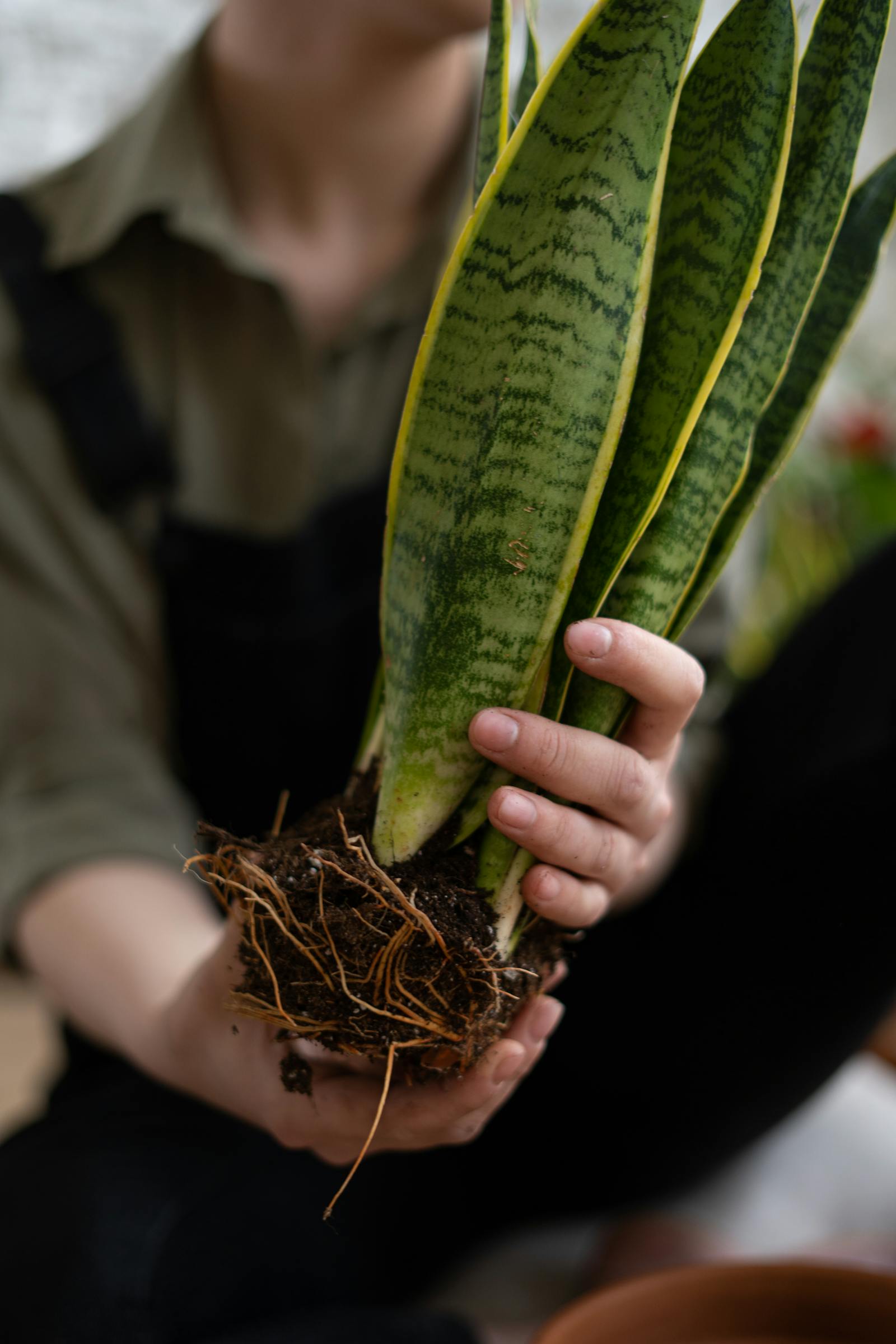
Snake plants (Dracaena trifasciata, sometimes still sold as Sansevieria trifasciata) are succulents in disguise. Those tall, vertical, leathery leaves are full of stored water. The roots are adapted to dry, gritty conditions, and they can’t tolerate sitting in moist soil. When they do, they rot – fast.
This is the opposite mental model from most houseplants. Your pothos sulks if you forget it. Your snake plant thanks you.
How often to water
The rule, before anything else: water only when the soil is bone dry. Not “the top inch is dry.” Bone dry. All the way through.
Anúncios
| Season | Typical interval | What to check |
|---|---|---|
| Spring/summer in bright light | Every 14-21 days | Stick a finger or moisture meter 2-3 inches deep – must be dry |
| Spring/summer in low light | Every 21-30 days | Same check |
| Fall/winter | Every 30-45 days | Same check; many plants need water only monthly |
If you’re unsure, wait. Snake plants tolerate drought much better than they tolerate moisture. The most experienced snake plant owners often go six weeks between waterings in winter and the plants are completely fine.
How to water (the technique matters)
When it is time, water deeply rather than lightly.
- Pour water onto the soil surface (not down into the centre of the leaves – water pooling in the rosette can cause rot at the base).
- Continue until water runs out the drainage holes.
- Wait 15-30 minutes and empty the saucer if any water collected.
- Don’t water again for at least three weeks.
The “deep then wait” approach mimics the natural rainfall pattern of the plant’s native habitat – occasional storms, long dry periods.
Signs you’re overwatering
These show up gradually. Watch for them.
- Soft, yellowing leaves at the base. The plant is rotting from the bottom up.
- Leaves falling over or losing their rigid posture. Healthy snake plant leaves are firm and upright. Floppy leaves often mean rot.
- Mushy spots near the soil line. The leaf base is decomposing.
- A faint sour or earthy smell from the soil. Anaerobic activity from rotting roots.
- Pot consistently feels heavy. The soil isn’t drying out between waterings.
Signs you’re underwatering (rarer, but possible)
- Leaves go thin, wrinkled, or curl inward along their length.
- The plant looks shrunken compared to a month ago.
- Tips turn brown and crispy.
Underwatered snake plants recover quickly from a thorough watering. Overwatered ones often don’t recover at all.
How to save an overwatered snake plant
If you’re catching it early – some yellowing or softening, but most of the plant still firm – here’s the rescue:
- Stop watering immediately.
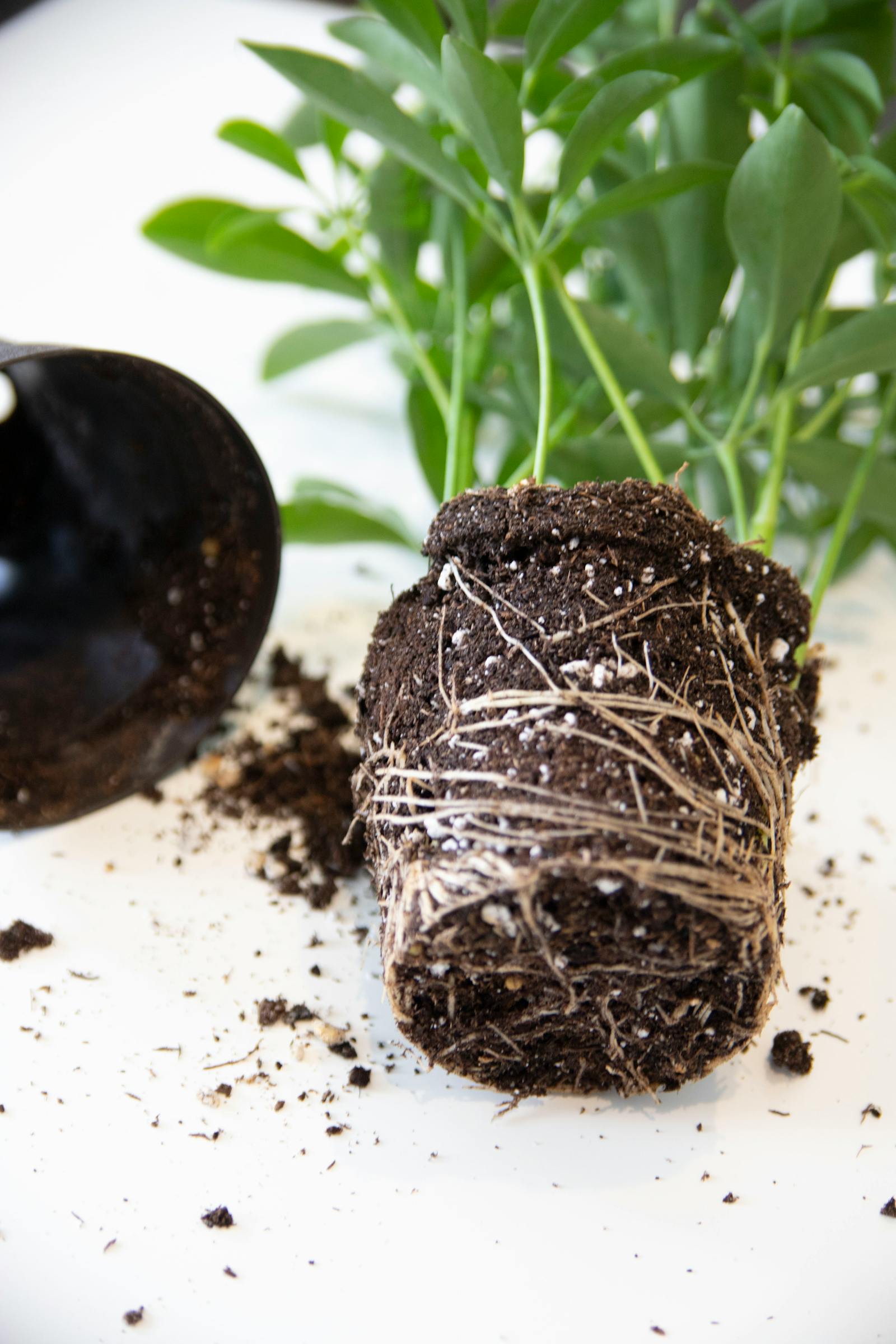
- If the soil is sopping wet, remove the plant from the pot. Knock or rinse soil off the roots.
- Inspect the roots. Healthy ones are firm and white. Rotted ones are brown, black, or mushy.
- Cut off all rotted roots with clean scissors. Trim any leaves that are mushy at the base.
- Let the plant air-dry for a few hours – or even overnight – before repotting.
- Repot in fresh, dry potting mix (mixed with a little perlite or coarse sand for extra drainage). Don’t water for at least a week.
If most of the plant has gone soft and you have only a few healthy leaves left, those can often be propagated even if the rest is gone. Cut healthy leaves into 3-4 inch sections, let them callous over for a couple of days, then plant cut-end down in dry soil. They root slowly but reliably.
Pot, soil, and drainage
These all reduce overwatering risk:
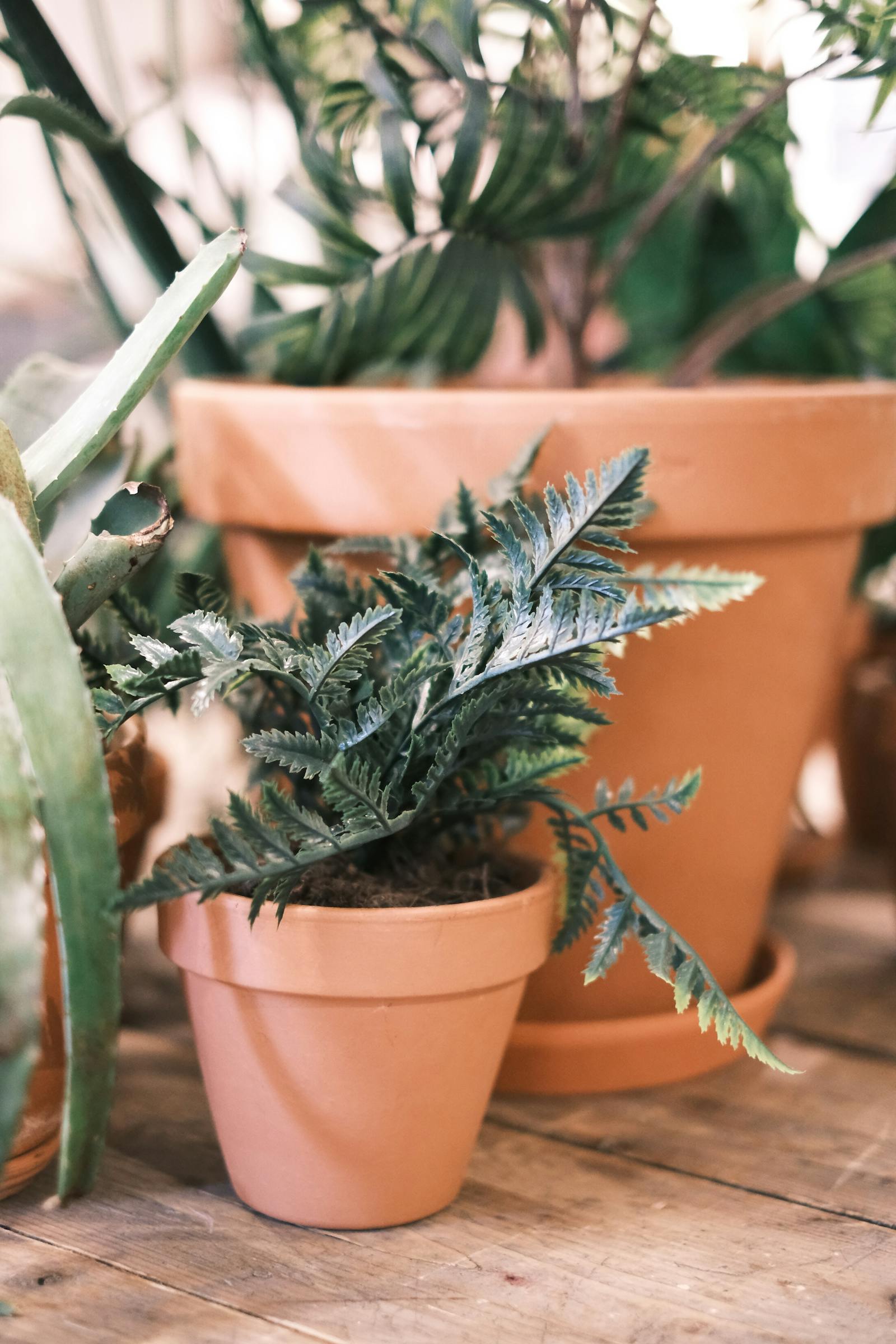
- Terracotta or unglazed ceramic pots. They breathe, and the soil dries faster. Better for snake plants than glazed or plastic.
- Drainage holes are non-negotiable. No drainage = guaranteed rot.
- Gritty, fast-draining soil. Use cactus mix, or mix regular potting mix 2:1 with perlite or coarse sand. Standard potting mix alone holds too much moisture for snake plants.
- Don’t over-pot. A pot only slightly larger than the root ball is ideal. Excess soil holds excess water.
For the broader logic on soil and pots, see potting soil vs garden soil.
The water itself
Standard tap water is usually fine. If your tap water is very hard (high mineral content), the leaf tips may eventually brown – rinse the soil with distilled or filtered water once or twice a year to flush the salts. Otherwise, no special water is needed.
Bottom-watering: a useful technique
Some snake plant owners bottom-water exclusively. The method:
- Set the pot in a tray or sink of an inch or two of water.
- Let the plant draw water up through the drainage holes for 20-30 minutes.
- Lift the pot out and let excess drain.
This keeps the upper soil dry (less risk of fungus gnats and crown rot) while the roots get a deep drink. It’s a nice technique but not essential. Top-watering done correctly works just as well.
Seasonal adjustments
Plants in winter receive less light and use less water. This applies even more strongly to snake plants.
- Summer: water every 2-3 weeks in bright light.
- Fall: stretch to every 3-4 weeks.
- Winter: every 4-6 weeks. Don’t fertilize. Don’t worry that “nothing is happening” – the plant is resting.
Final pointers
- If you can’t decide whether to water, wait a week.
- Move pots slightly forward when you do water – if you always set it back in the same place after, you’ll remember when it was last watered.
- A moisture meter ($10) ends the guesswork completely.
- Bigger pots dry slower. A snake plant in a 12-inch pot might only need water every 5-6 weeks even in summer.
The snake plant lifestyle is genuinely “set and forget.” If you set it up correctly – terracotta pot, fast-draining soil, monthly-ish watering – you can travel for weeks at a time and find it exactly as you left it.
For more low-maintenance houseplants in this category, our best low-light indoor plants guide covers the rest of the “almost impossible to kill” lineup. And if you’re still figuring out general watering principles for other plants, how often to water plants covers the foundations.