Anúncios
Walk past a community garden and you’ll see fabric grow bags everywhere – dark green or black sacks of fabric, full of tomato plants. They look like reusable shopping bags pretending to be planters. They also outperform plastic pots in real testing for many crops. So why aren’t they everywhere?
Aesthetics, mostly. They don’t look like a “real” planter. But for outdoor balcony vegetables, the case for fabric is strong.
Anúncios
How fabric grow bags work
A grow bag is exactly what it sounds like: a sturdy fabric sack, usually 5-30 gallons, with drainage built into the entire fabric structure. Water drains through the bottom and sides. Air reaches roots from every direction.
The fabric is typically a non-woven polypropylene – durable but breathable. Most last 2-3 seasons of heavy use; premium bags can go 5+ years.
The advantages of fabric
- Better drainage. Water doesn’t pool anywhere – it drains through the entire bottom and lower sides.
- Air pruning. When roots reach the fabric wall and feel air, they stop growing and branch instead of circling. This produces a denser, healthier root system than the long circling roots that form in solid plastic pots.
- Cooler roots in summer. Air movement through the fabric keeps soil temperatures lower than a black plastic pot in the sun.
- Lighter. Empty grow bags weigh almost nothing. Even full, they’re lighter than a comparable ceramic pot.
- Foldable storage. Empty bags fold flat. A stack of 10 grow bags takes the space of a single plastic pot.
- Cheap. $5-15 for a decent 7-10 gallon bag. Premium ones $20-30.
The downsides
- Dry out faster. The same airflow that helps roots also lets moisture escape. Bags need more frequent watering than plastic pots.
- Look utilitarian. Black or dark green fabric isn’t decorative. Some people put grow bags inside decorative outer pots for indoor display.
- Less stable. Empty or lightly-loaded bags can tip in wind. Filled bags are stable, but the centre of gravity is lower than equivalent pots.
- Less freeze-proof. Fabric handles cold poorly. In freezing climates, store empty bags inside between seasons.
Side-by-side comparison
| Feature | Fabric grow bag | Plastic pot |
|---|---|---|
| Drainage | Excellent (entire surface) | Good (with drainage holes) |
| Aeration | Excellent (breathes) | Poor (solid walls) |
| Root health | Better (air-pruned roots) | Can develop circling roots |
| Water retention | Lower | Higher |
| Soil temperature in sun | Cooler | Hotter (especially black plastic) |
| Weight | Light | Light |
| Durability | 2-5 years | 5-10+ years |
| Stability | Moderate | Good |
| Cost (10-gallon equivalent) | $5-15 | $8-15 |
| Storage when empty | Folds flat | Stacks but takes space |
| Appearance | Utilitarian | Functional/varied |
What fabric is best for
- Tomatoes and peppers. Deep root systems + heat sensitivity = perfect match. Many gardeners report better yields than plastic.
- Potatoes. Grow bags revolutionized container potato growing. You can harvest by tipping the bag over.
- Larger herbs. Rosemary, basil, sage in 3-5 gallon bags do beautifully.
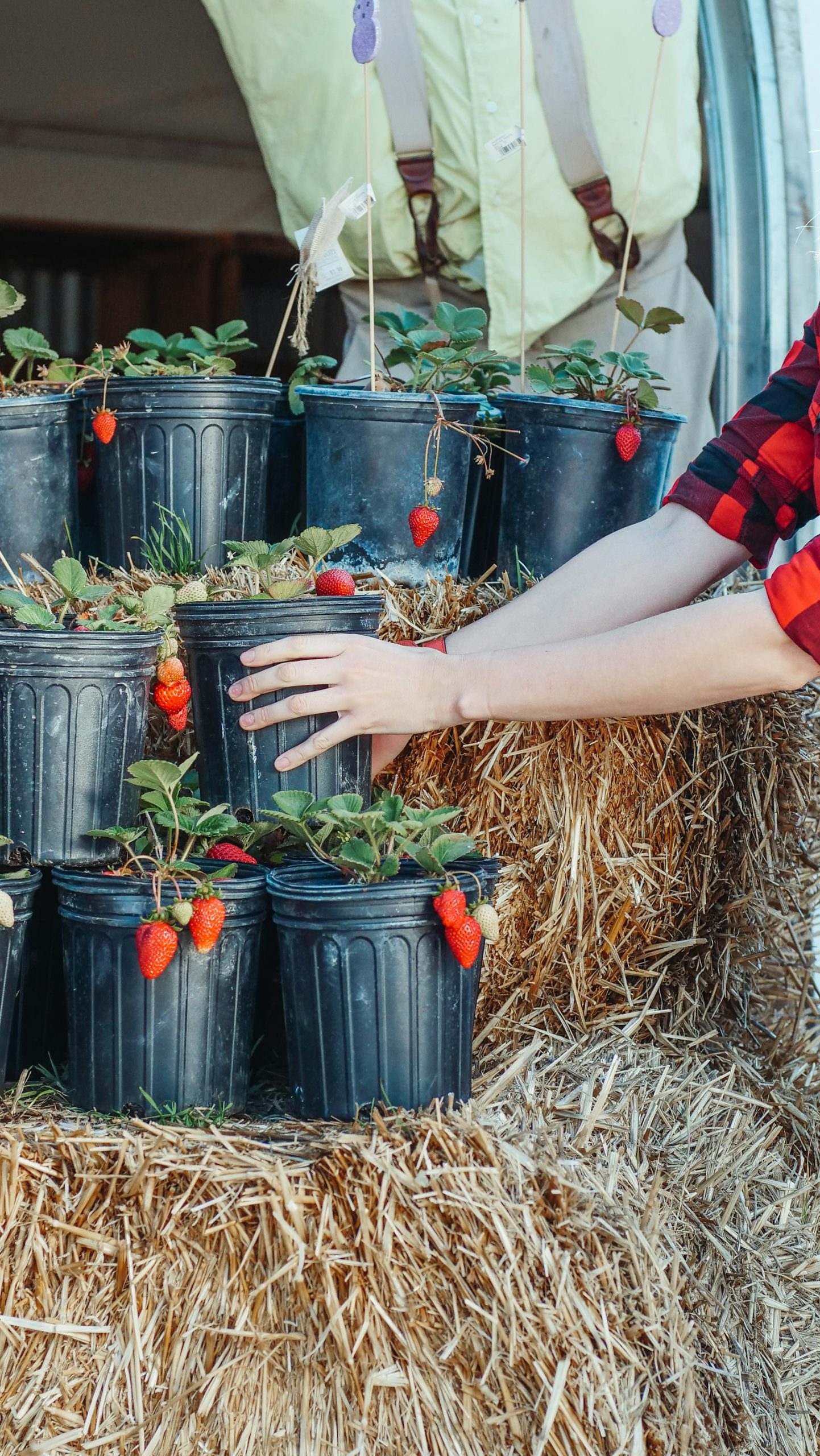
- Strawberries. Multi-pocket strawberry grow bags fit 10+ plants vertically.
- Salad greens. Wide, shallow grow bags work like raised beds.
- Most vegetables, generally. Especially on sunny balconies where soil temperature matters.
What plastic is best for
- Indoor display plants. Looks matter; plastic in decorative outer pots is the standard.
- Plants that want consistent moisture. Ferns, peace lilies, calatheas appreciate the slower drying.
- Cold-climate winter container plants. Plastic handles freeze cycles better.
- Windy balconies. More stable than fabric.
- Small pots. Below about 4 inches, fabric isn’t widely available or particularly useful.
Anúncios
How to use fabric grow bags well
If you decide to try fabric, a few practical pointers:
- Use a saucer or tray. Fabric drips when watered. A shallow tray underneath prevents water damage to floors and balcony surfaces.
- Don’t let them dry out completely. Once a fabric grow bag’s soil dries to bone, it can become hard to rehydrate. Keep an eye on moisture.
- Water more often than plastic. In summer heat, daily watering is common. Mulching the soil surface inside the bag helps.
- Buy thicker fabric for longer life. Cheaper grow bags last 1-2 seasons; better-quality ones (300+ GSM) last 5+ years.
- Skip them in freezing climates if leaving outside. Soil freezes through the fabric easily, damaging plants and shortening bag life.
Sizes worth knowing
- 1-2 gallon: herbs, salad greens, single small plants.
- 5-7 gallon: bush peppers, compact tomatoes, large herbs like rosemary.
- 10 gallon: mid-size tomatoes, multiple peppers, eggplant.
- 15-20 gallon: large tomatoes, potatoes (one plant per bag for the latter).
- 30+ gallon: small fruit trees, multiple plants in one bag, intensive raised-bed-style growing.
The bottom line
For outdoor vegetable growing – especially on balconies and patios – fabric grow bags are genuinely better than plastic pots. Better drainage, healthier roots, cooler soil. The trade-off is more frequent watering and less photogenic appearance. For indoor plants and where appearance matters, plastic in decorative outer pots is still the better choice.
If you’re growing tomatoes on a balcony this summer, try one fabric grow bag. The difference in plant vigour by midsummer is often noticeable.
For the rest of the container basics, see plastic vs terracotta vs ceramic and pot size guide.
Grow bag size guide for specific crops
| Crop | Bag size |
|---|---|
| Lettuce, salad greens | 1-3 gallon |
| Herbs (basil, parsley) | 1-3 gallon |
| Bush peppers, dwarf tomatoes | 5-7 gallon |
| Standard cherry tomatoes | 7-10 gallon |
| Full-size tomatoes | 10-15 gallon |
| Potatoes | 15-20 gallon (deep) |
| Small fruit trees | 20-25+ gallon |
Caring for grow bags
Maintenance tips for longer lifespan:
- Empty and dry bags between growing seasons.
- Store flat or rolled in a covered space.
- Wash thoroughly (cold cycle in washing machine for smaller bags) between crops to remove soil and salt residue.
- Avoid leaving bags in direct freezing temperatures long-term.
- Expect 2-3 seasons of heavy use from budget bags; 5+ years from premium thicker fabric.